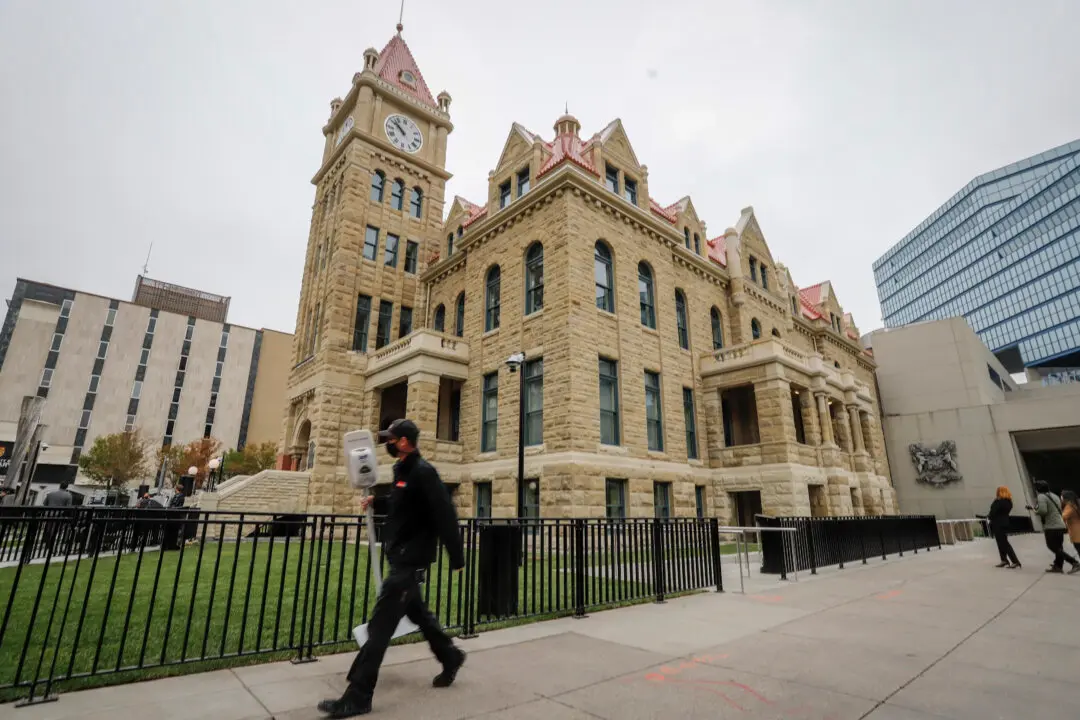
The Canada Student Loan forgiveness benefit was first introduced in 2013, aiming to attract more health-care professionals to rural communities.
The expansion of the program was introduced in Budget 2024 and took effect on Dec. 31, 2025, to include health care and social services jobs, as first reported by Blacklock’s Reporter. These jobs include dentists, dental hygienists, early childhood educators, midwives, personal support workers, pharmacists, physiotherapists, psychologists, social workers, and teachers.
Previously eligible jobs are still included, such as family doctor, licensed practical nurse, registered nurse, registered psychiatric nurse, registered practical nurse.
The total benefit is estimated to cost $944.1 million over 10 years.
To be eligible, graduates in specific careers must commit to working in a rural community for at least a year before applying for loan forgiveness. A rural community is defined by the program as having less than 30,000 people.
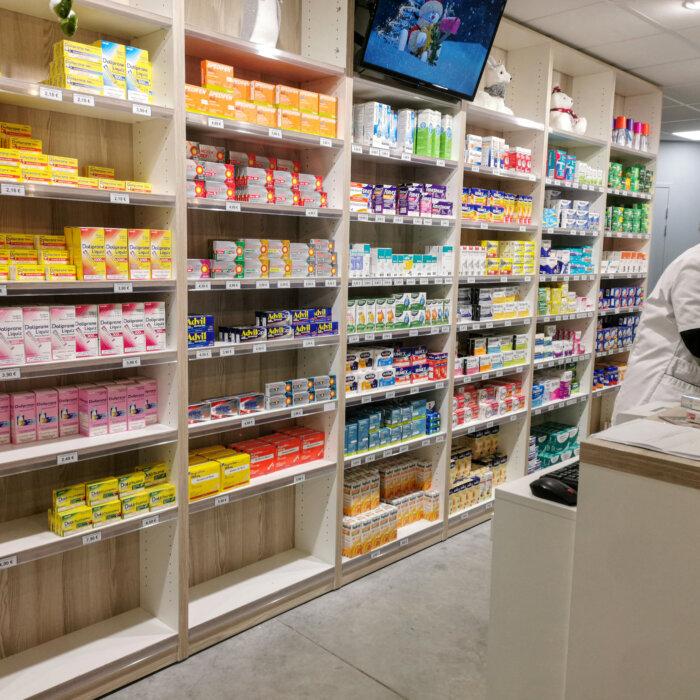
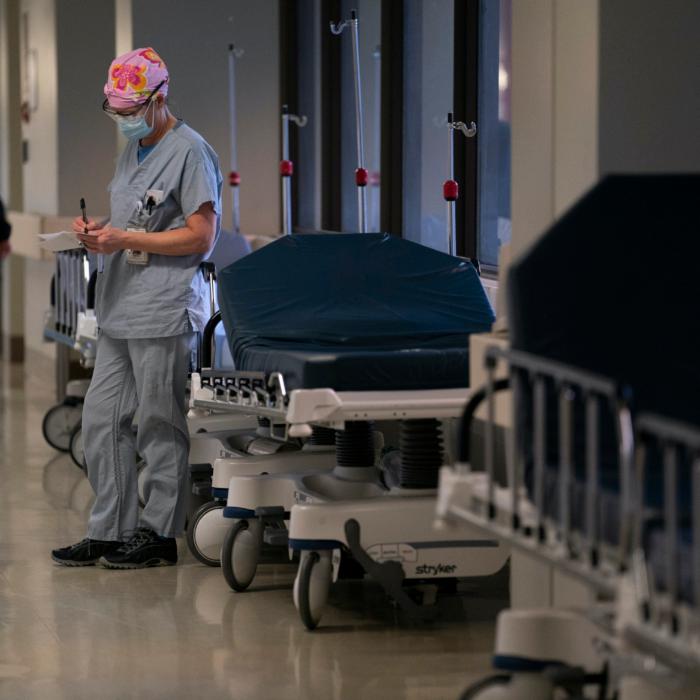
Applicants must have the proper licence for their occupation, and it must be approved by the authority in the community they work in, the guidelines say.
Those working as early childhood educators, dental hygienists, and personal support workers can qualify for up to $15,000 of loan forgiveness over a five-year period.
Nurse practitioners, registered nurses, registered/licensed practical nurses, registered psychiatric nurses, midwives, teachers, social workers, and physiotherapists can qualify for up to $30,000 over the five-year period.
The government offers up to $60,000 in loan forgiveness for family doctors and family medicine residents, dentists, psychologists, and pharmacists.
The loan forgiveness only applies to outstanding federal student loans, not provincial or territorial portions. The loan forgiveness does not apply to loans that have been converted to a line of credit, private loans, or Ontario medical resident loans.
The government said the original program was successful in attracting health-care professionals to some communities.