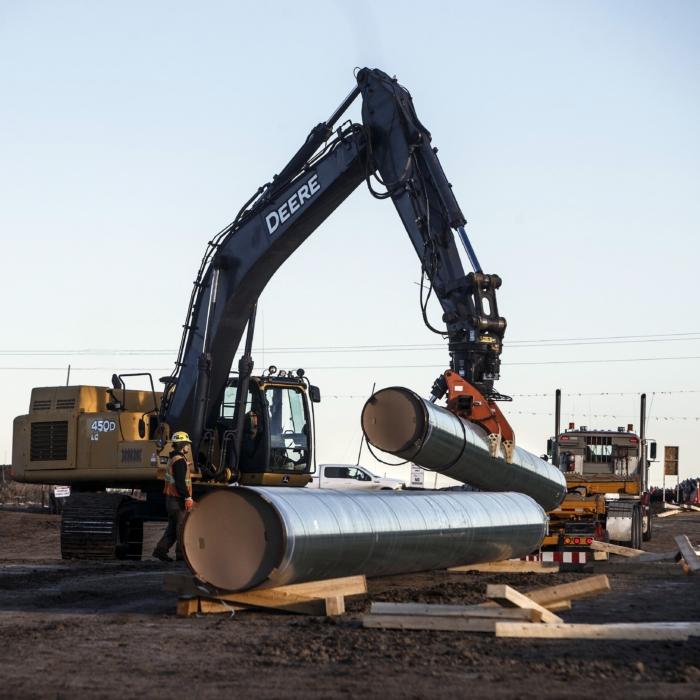
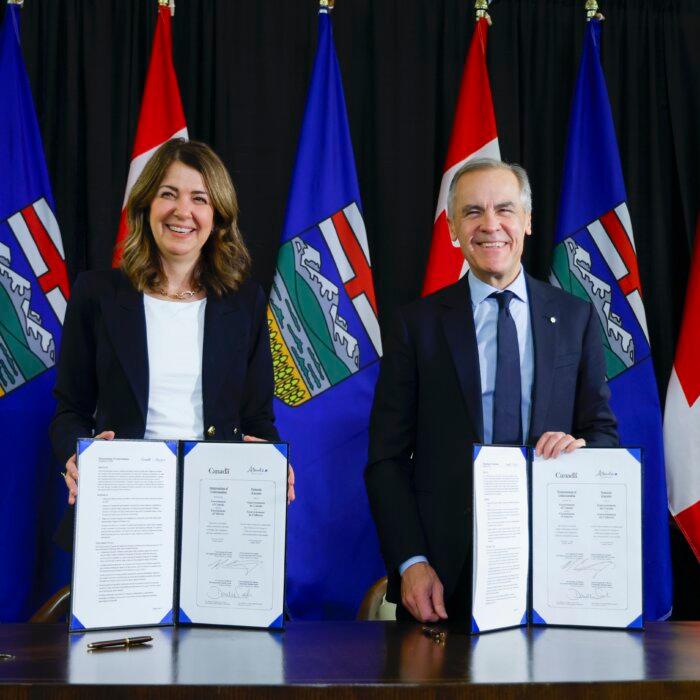
Alberta has reached a tentative agreement with Ottawa to reduce methane emissions from its oil and gas sector as part of a deal to get a pipeline to the West Coast.
The province said its methane emissions have already dropped more than 50 percent from 2014 levels, and the new agreement will set a path for further reductions “while keeping the system practical, cost-effective and tailored to Alberta’s economy.”
“Albertans have long known that responsible energy development and strong environmental performance go hand in hand,” Alberta Premier Danielle Smith said in the statement. “This agreement reflects that approach, keeps decision-making here in Alberta and builds on a system that is already delivering results.”
Ottawa and Alberta pledged in the MOU last year to reach an agreement on methane emissions and industrial carbon price by April 1. To secure the MOU with Ottawa, Alberta had agreed to reduce methane emissions and raise its industrial carbon tax.
The province said it has developed a roadmap outlining how it intends to achieve the 75 percent reduction target.
It also said it expects to release a draft equivalency agreement for a 60-day public comment period later this year, with finalization expected by the end of 2026. Without an equivalency agreement, both federal and provincial rules would apply, which would increase costs and create duplication.
It added that an independent third party—agreed upon by both federal and provincial governments—will conduct modelling and emissions reduction assessments.
The new rules are expected to take effect on Jan. 1, 2030. The agreement would replace Alberta’s current deal with the federal government on methane equivalency, which expires in October 2030.
The new agreement-in-principle is the second of four agreements to be completed in April, the province said, noting the remaining two are expected to be completed “in the coming weeks.”
Fast-Tracking Major Projects
Alberta announced earlier this week that it will introduce legislation to fast-track major projects in the province by setting a 120-day approval deadline. The province said the expedited process would improve coordination between government and regulatory bodies, and provide industry with the certainty needed to make investments.The province said indigenous consultation and environmental protections would “remain a priority and integral to the process” under the accelerated timeline.
The legislation would “send a clear, positive signal to investors that Alberta is committed to getting major projects built,” the provincial government said, without specifying which projects would be affected.