Opposition Leader Sussan Ley has renewed her call for a Commonwealth royal commission into the Bondi terror attacks, now saying it must examine radical Islamic extremism, “as well as far-left and neo-Nazi extremism.”
Ley warned that a narrow or sanitised inquiry would fail victims’ families and the community.
Her statement comes as Prime Minister Anthony Albanese continues to face pressure to order a federal royal commission into root causes behind the Bondi terror attack that killed 15 and injured 40 on Dec. 14 2025.
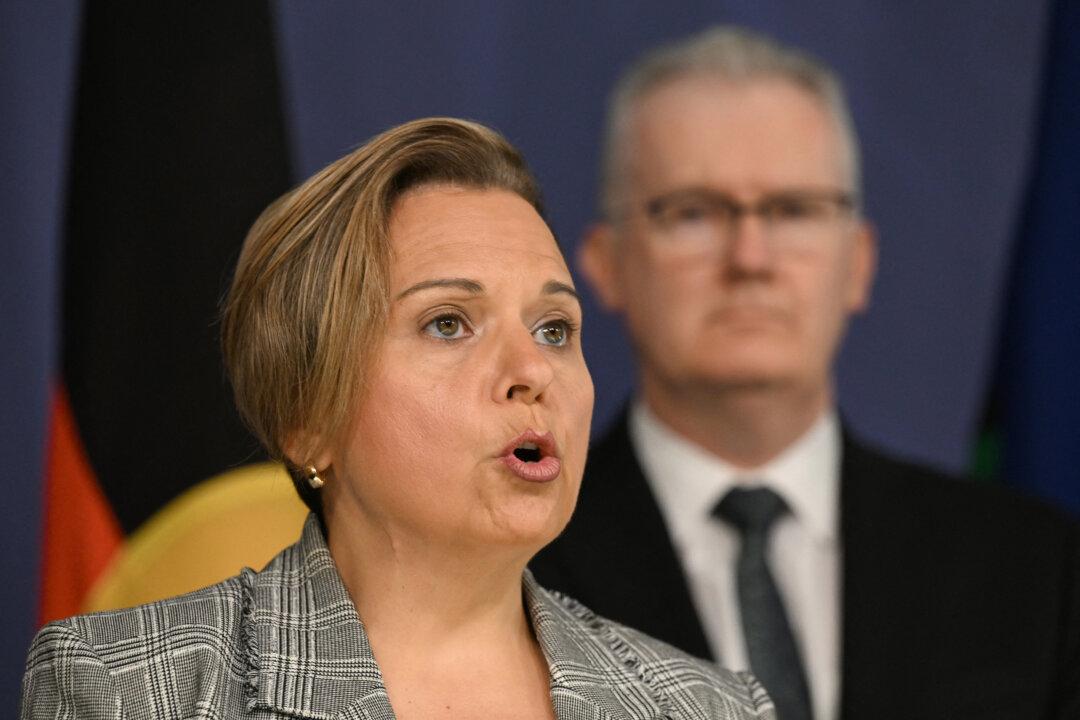
Hosting a press conference in Sydney on Jan. 7, Ley said a royal commission should be built around three pillars: full accountability for executive and ministerial decision-making; a “reckoning with anti-Semitism and extremist ideology”; and an inquiry equipped with “real powers and real voices.”
On the point of examining ideologies, she further elaborated saying, “Well, these are political concepts about left-right, but what is most important is that radical Islamic extremism and neo-Nazi ideology—however people may choose to frame that in a left-right continuum—that they are included.”
She also said the terms of reference must go beyond general findings and drill into decision-making at the highest levels of government.
This includes details on: what ministers were advised? What information were they provided with since the Oct. 7, 2023 Hamas attacks? And what actions did they take (or not take) as a result of that information?
Ley also outlined how the royal commission should be constituted, arguing it must be led by three senior figures : a senior judiciary figure, a member of the Jewish community with expertise in anti-Semitism, and a national security expert.
“The complex legal, community and security issues that this Royal Commission needs to cover demand those three experts be in charge of it,” Ley said.
Pressure for a Commonwealth royal commission has intensified since the Bondi attack, with an open letter signed by 120 prominent business leaders and public figures warning existing processes were inadequate.
The president of the Australian Catholic Bishops Conference and Archbishop of Perth, Timothy Costelloe, also joined calls for a national inquiry.
Prime Minister Anthony Albanese has so far resisted calls for a federal royal commission, instead commissioning an internal review of intelligence and law-enforcement agencies led by former ASIO Director-General Dennis Richardson.
Extremism Now Major Focus of Authorities
Australia’s debate over counter-terrorism has sharpened as authorities warn that extremist ideologies—Islamist and neo-Nazi—are no longer fringe threats but active forces shaping domestic security risks.The alleged terrorists who targeted the Jewish Hannukah celebration at Sydney’s Bondi Beach were motivated by ISIS ideology, according to Australian Federal Police.
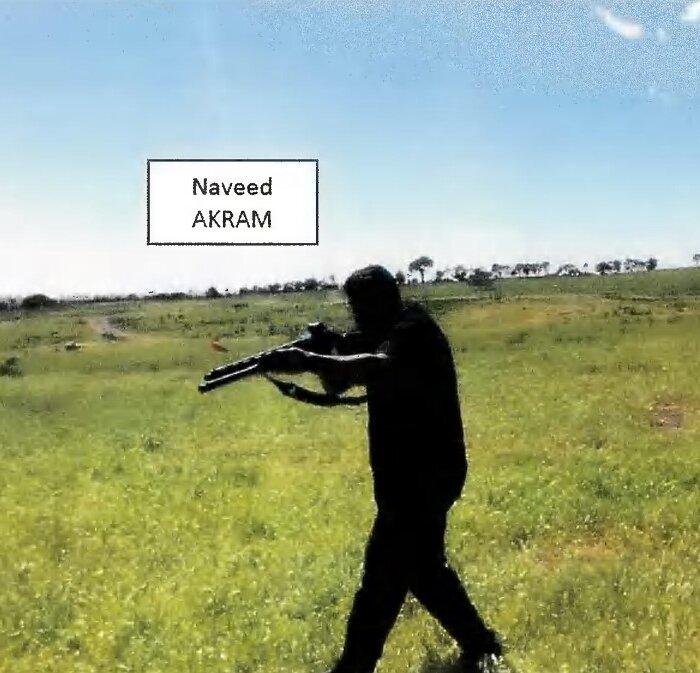
The younger of the alleged attackers, 24-year-old Naveed Akram, was previously on the radar of the Australian Security Intelligence Organisation (ASIO).
ASIO investigated Akram in 2019 about potential radicalisation but released him after finding no further threat, and did not place him on a terror watchlist.
Footage emerged after the Bondi incident showing a 17-year-old Akram preaching Islam to schoolboys.
Investigators have also linked him to Sydney-based radical jihadist preacher Wisam Haddad, whose influence has spanned multiple generations of Australian extremists.
Meanwhile, authorities have also taken action against neo-Nazis.
In November, a South African man seen attending a neo-Nazi rally outside the New South Wales Parliament was taken into immigration detention after his visa was revoked.
Matthew Gruter, who had been in Australia since 2022, participated in an anti-Jewish protest organised by the National Socialist Network. He was subsequently deported.
A month later, a separate case emerged involving a 43-year-old British citizen living in Queensland. He was accused of using two X accounts to post Nazi material between October and November, continuing even after one profile was blocked.
In a statement, the Australian Federal Police said the man faces three counts of publicly displaying Nazi symbols and one count of using a carriage service to menace, harass or cause offence.
Officers also arrested a 21-year-old Queensland man on two counts of possessing violent extremist material. In Sydney, another 25-year-old man was issued a court attendance notice over an alleged Nazi salute at a public gathering.