A motion calling for the company at the forefront of the ArriveCan scandal to reimburse $64 million to taxpayers within 100 days has passed, despite the Liberal government voting against it.
The non-binding motion calls for the government to “get taxpayers their money back” from IT consulting firm GC Strategies within 100 days of the motion’s adoption, and for the company and any of its subsidiaries to be barred from contracting with the government for life.
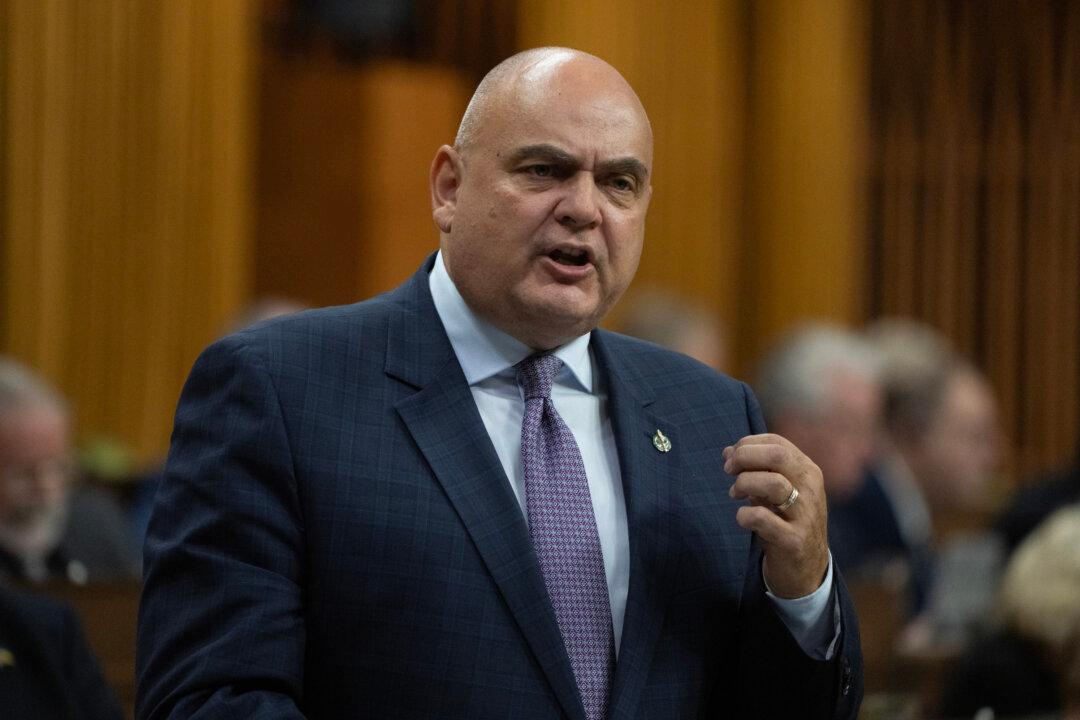
Conservative MP Michael Barrett, who sponsored the motion, described it as a chance for the government to “do the right thing” by returning tax dollars to Canadians.
The Conservative motion was introduced days after Auditor General Karen Hogan released a report finding the federal government frequently failed to follow procurement rules when awarding work to GC Strategies. In 46 percent of GC Strategies contracts examined by the auditor general, there was no proof that all services were rendered before the company received payment from the agencies, the June 10 report said.
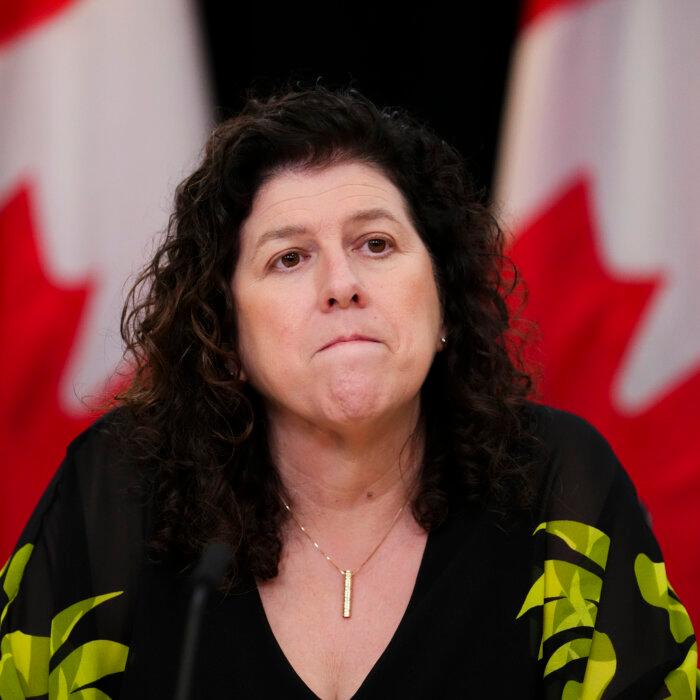
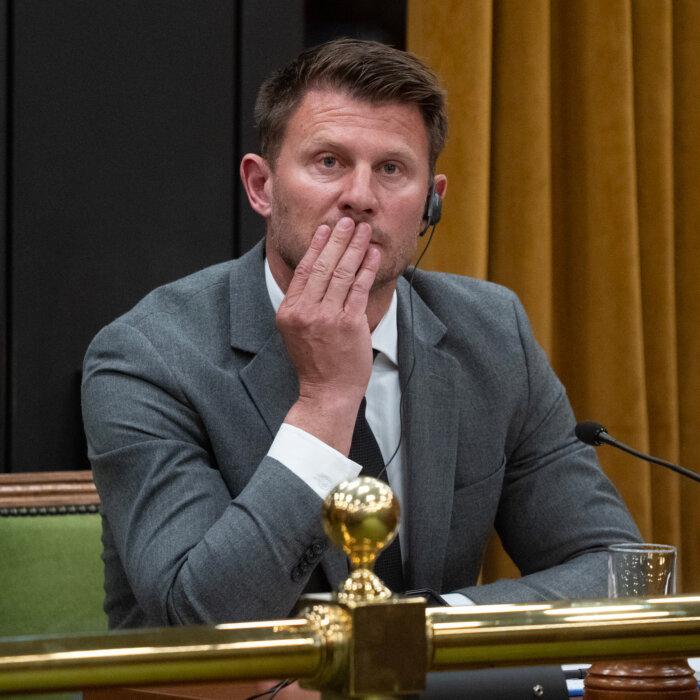
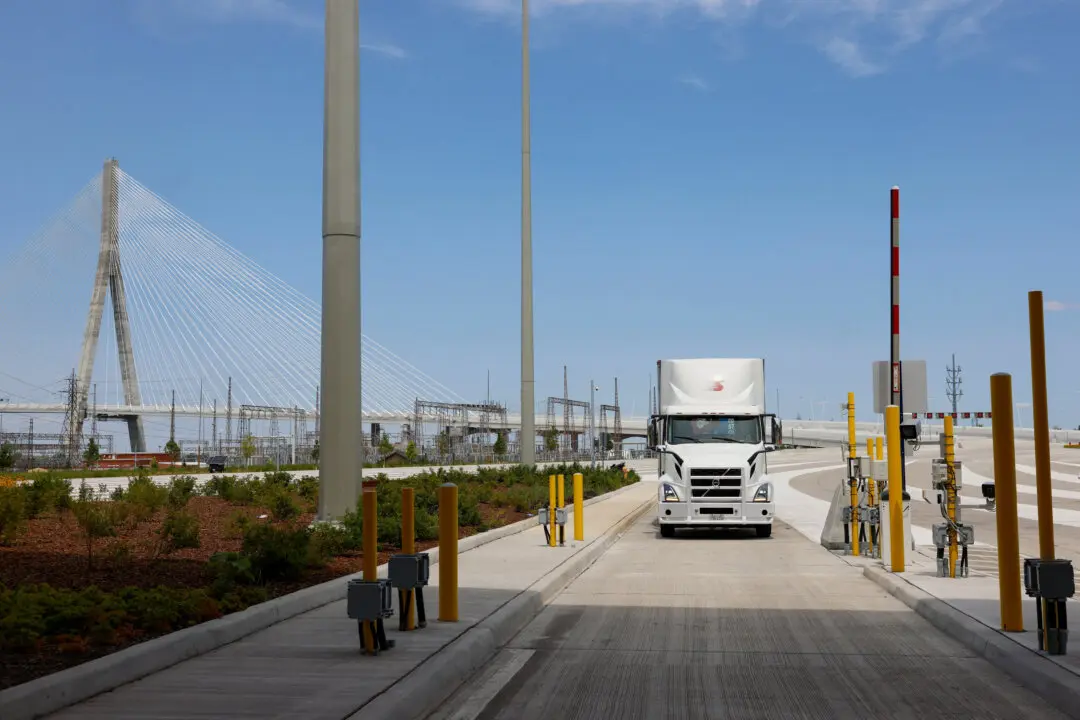
The ArriveCan app was used by the Canada Border Services Agency (CBSA) during the COVID-19 pandemic as a way for travellers to submit travel documents, health assessments, and declarations of plans for mandatory self-isolation. The app was later used to check the COVID-19 vaccination status of travellers crossing the Canada-U.S. Border.
The auditor general released another report in February 2024 on the app, which said it cost $59.5 million to build, but that the exact number was impossible to know because record-keeping was so poor. The report found the three government bodies tasked with managing the procurement, development, and implementation of ArriveCan—the Canada Border Services Agency, Public Health Agency of Canada, and Public Services and Procurement Canada—showed a “glaring disregard for basic management and contracting practices throughout ArriveCan’s development and implementation.”
Public Services and Procurement Canada determined on June 6 that GC Strategies was ineligible to enter into contracts or property agreements with the federal government for the next seven years. The agency previously suspended the company’s security status in March 2024, preventing it from participating in federal procurements with security requirements.