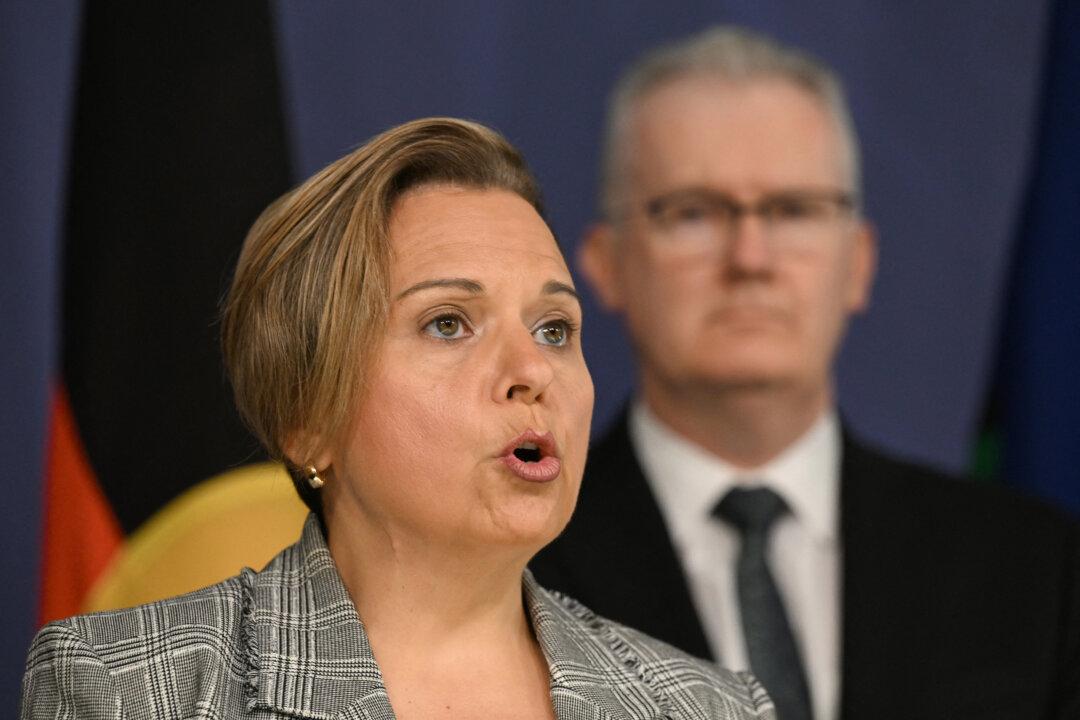
The migration debate continues to bubble away with Opposition Leader Sussan Ley saying strained infrastructure and services are due to poor government planning, not new arrivals.
“This has nothing to do with any migrant or migrant community, but this is a reprehensible failure of government to put the infrastructure and services in place that Australians deserve,” Ley told reporters on Sept. 29.
Ley argued that housing stress, overcrowded schools, and transport bottlenecks stemmed from Labor not building faster enough rather than migration settings.
“It’s lack of infrastructure that is contributing to the struggles people face every day,” she said.
Questions About Party’s Uniformity
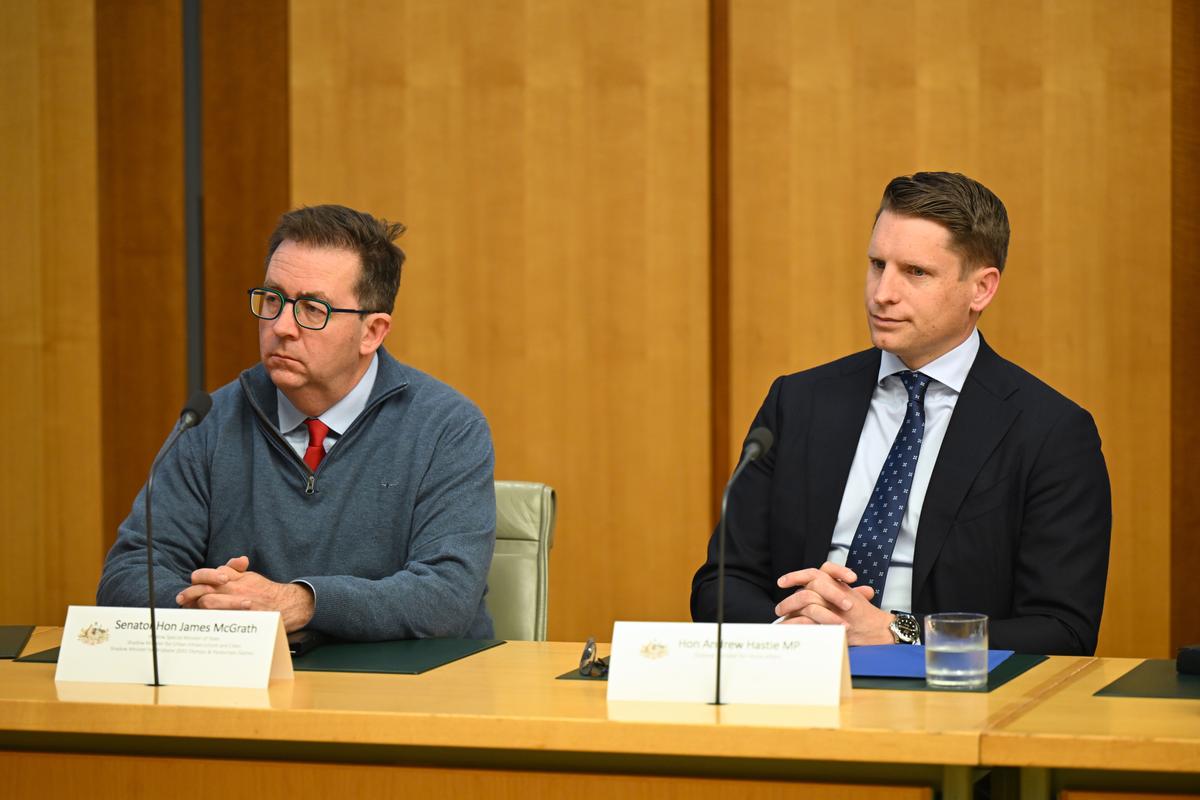
Her comments came just days after senior Liberal MP Andrew Hastie issued a stark warning that the party risked “dying” as a political force unless it adopted a tougher stance on net inbound overseas migration.
Hastie, who has positioned himself as a standard-bearer for the party’s conservative wing, has linked record migration intake to soaring housing costs and broader social strain.
When asked whether she was concerned about Hastie’s leadership ambitions, Ley dismissed the speculation.
“No, I am not,” she said.
Pressed on when she had last spoken with him, she replied: “I speak to my colleagues all the time, especially my Shadow Cabinet colleagues, and I don’t go into details of private conversations.”
Ley also sought to downplay internal divisions.
“I’m very confident that all of my colleagues are expressing strongly held views, and they do that in many ways, and as we work together to fight this government for an economic agenda that is letting Australians down,” she said.
Hastie Pushes Harder Line
In line with surging conservative movements overseas, Hastie has argued repeatedly that surging migration is at the heart of Australia’s housing crisis.
“So many young Australians have lost hope of owning a home, and if they can’t build a home, it’s very hard to start a family,” he told Parliament last month.
In a social media post on Sept. 24, he was more blunt: “We might even die as a political movement. So be it. What is the point of politics if you’re not willing to fight for something?”
Hastie pointed to a post-COVID surge in arrivals, with net overseas migration hitting 446,000 in 2023–24—more than double the 20-year average of 190,000, likely an expanded intake because of low migration during the pandemic. Of those, 207,000 were temporary students.
Hastie argued the intake was “straining infrastructure, stretching schools and hospitals, and pushing the housing market out of reach.”
“Then overseas migration must come down. Our first allegiance is to all Australian citizens and making sure they have a roof over their heads,” he said.
Hastie’s remarks followed nationwide “March for Australia” rallies on Aug. 31, where protesters demanded deep cuts to immigration.
The events drew thousands and featured speeches from Pauline Hanson, Bob Katter, and Malcolm Roberts, further fuelling the political pressure on both major parties to clarify their migration policies.
Migration Numbers Already Easing
Meanwhile, new official data suggests the surge in arrivals may be slowing. Figures from the Australian Bureau of Statistics (ABS) show population growth of 423,400 in the year to March 2025, taking the country’s population to 27.5 million.
Of that, net overseas inbound migration sat at 315,900—down from 493,800 the previous year.
Treasurer Jim Chalmers said the trend was clear: “We are now 17,000 people lower than the Treasury forecast for net overseas migration. We are 40 percent below the peak we saw following COVID.”
Beidar Cho, ABS head of demography, added that while migration had eased from its post-pandemic surge, “the long-term picture remains one of steady growth.”