The Albanese government came under fire in Question Time on Nov. 24, with the opposition repeatedly accusing Energy Minister Chris Bowen of neglecting soaring electricity bills as he prepares to lead global climate negotiations at COP next year.
Bowen, who will co-preside over COP under an agreement with Turkey, was not in the chamber as the opposition framed him as a “part-time minister, full-time president” while households brace for higher power costs.
“Why is it that this part-time minister, full-time president, isn’t using this unprecedented influence to lower energy bills for Australians?” Opposition leader Sussan Ley asked.
Bowen is currently in Brazil at the U.N. COP 30 summit.
Prime Minister Anthony Albanese pushed back, accusing the Coalition of running down Australia’s global climate role.
He said Pacific nations had strongly welcomed Australia’s involvement in next year’s summit.
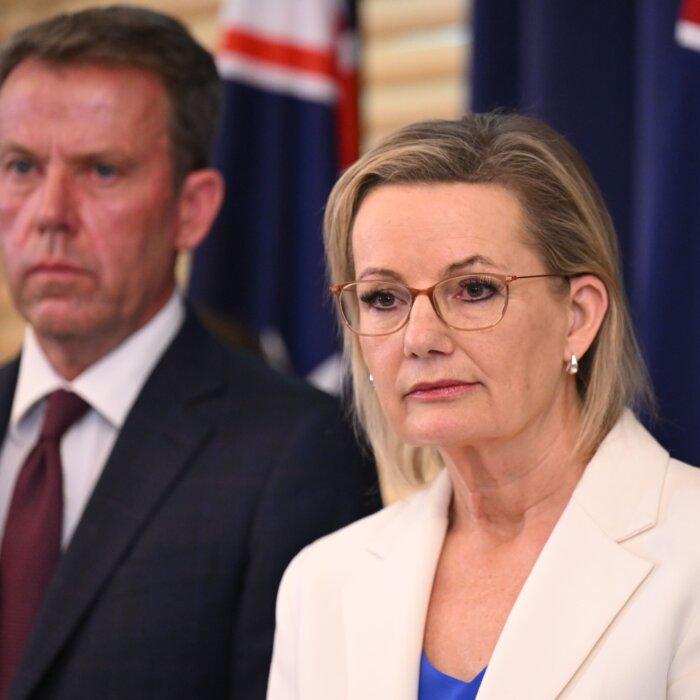
“Over recent days, there are communique issued by every single country supporting the Paris Agreement… recognising that it is not a choice between a strong economy and sustainability,” he said.
Ley returned with the same line later, pressing the prime minister on how long Bowen would be overseas.
Albanese defended the arrangement, saying the “crunch points” of negotiations would occur when the summit takes place next year.
He also invoked the moment when Coalition frontbenchers joked about rising sea levels in the Pacific.
Power Prices ‘Calm Before the Storm’
Shadow Energy Minister Dan Tehan added to the criticism, citing an industry CEO who warned the current rises were merely “the calm before the storm.”But Albanese dismissed the Coalition’s push to extend coal plants, quoting industry warnings that it would increase, not reduce, electricity costs.
“Keeping coal operating for longer can increase costs rather than decrease cost,” he said.
He said major peak bodies, including the Climate Groups and Business Council, backed staying the course on net zero.
Albanese then took a dig at the opposition’s infighting in the last few months over net zero.
Nationals leader David Littleproud also pressed the prime minister on the government’s promised electricity savings.
“With less than five weeks left in 2025, when will Australian families receive your promised $275 reduction to their power bills?” he asked.
Treasurer Jim Chalmers answered on Bowen’s behalf. He said the prime minister had “made really clear Australia’s best chance to put downward pressure on electricity prices is from introducing cleaner, cheaper, more renewable, more reliable energy sources now.”
Chalmers then highlighted Littleproud’s own past praise for renewables, telling the chamber the Nationals leader had previously adopted “a more sensible position” on energy transition.
“He said it’s a good thing that renewables are coming on,” Chalmers said.
He quoted further from Littleproud’s 2018 remarks: “Economics will win out in the end, and if base load power can be stored in particular, that’s an exciting thing for the environment and for everyone’s hip pocket.”
Government Defence Highlight
Chalmers argued that price pressures were being driven by ageing coal infrastructure nearing the end of its life.“There has been upward pressure on electricity prices because the ageing parts of the grid are becoming less and less reliable as they get closer and closer to exiting the grid,” he said.
He said abandoning net zero would “push power prices up, not down” and create “serious investor uncertainty.”
Chalmers added that if the Coalition cared about energy prices, “they wouldn’t be abandoning net zero, and they wouldn’t be turning their back on renewable energy.”