The United States opened a new and larger consulate in Nuuk, the capital of Greenland, a semi-autonomous territory of Denmark, on May 21.
U.S. Ambassador to Denmark Kenneth Howery was in Nuuk for the opening.
“We will always be neighbors and stand by you, whatever future you decide for yourselves, as your allies and partners,” Howery said in a speech at the opening, according to Greenlandic public broadcaster KNR.
The United States wants to boost its military presence in Greenland and make it part of U.S. President Donald Trump’s planned “Golden Dome” system of defense against nuclear attack. The United States currently has one active base in Greenland, the Pituffik Space Base in the northwest, down from around 17 facilities in 1945 when thousands of U.S. personnel staffed facilities around the island.

Greenlanders Favor Independence
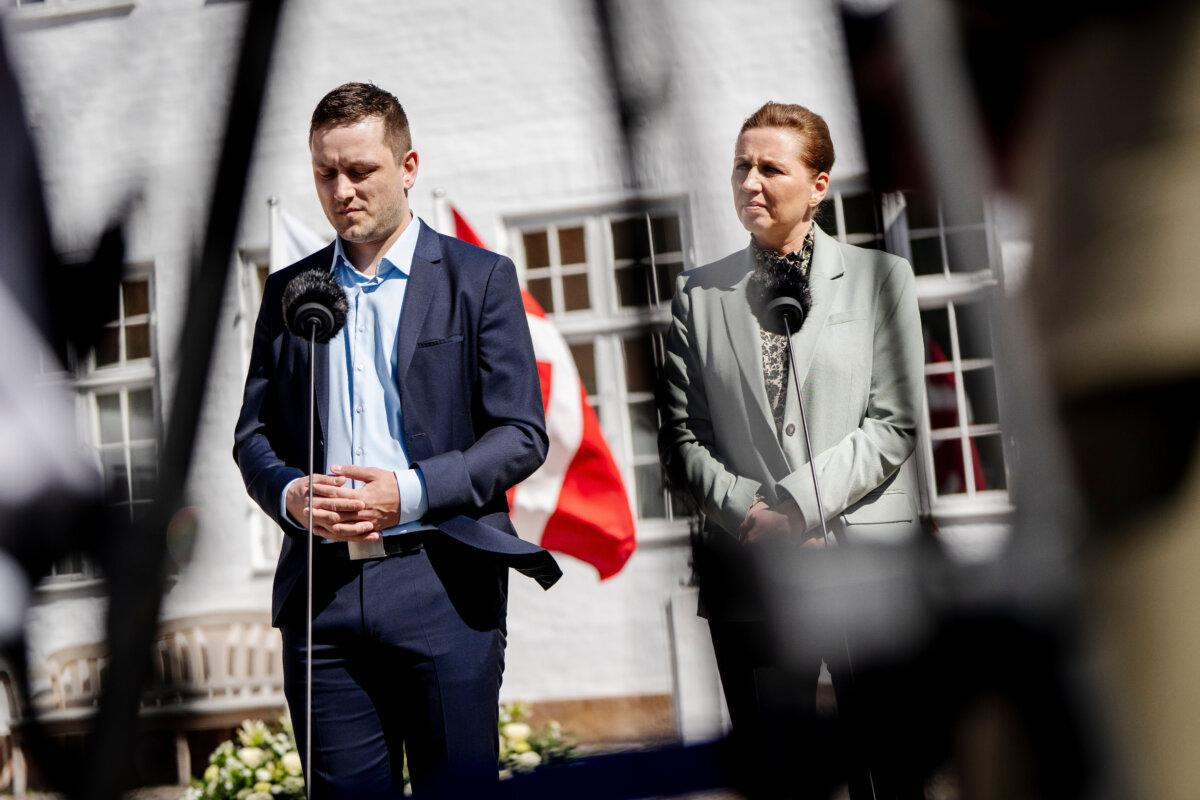
Earlier this year, Pele Broberg, the leader of Greenland’s strongly pro-independence Naleraq Party, called for direct talks between the United States and Greenland to take place without Danish officials.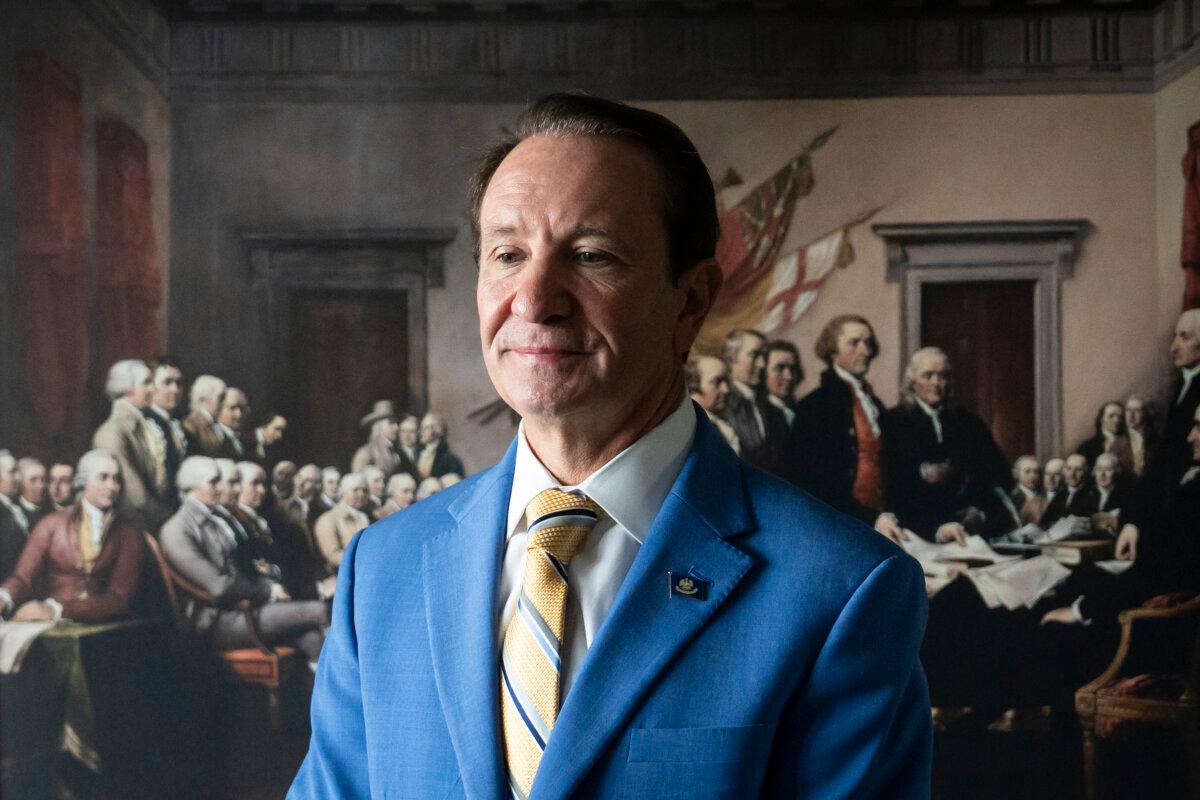
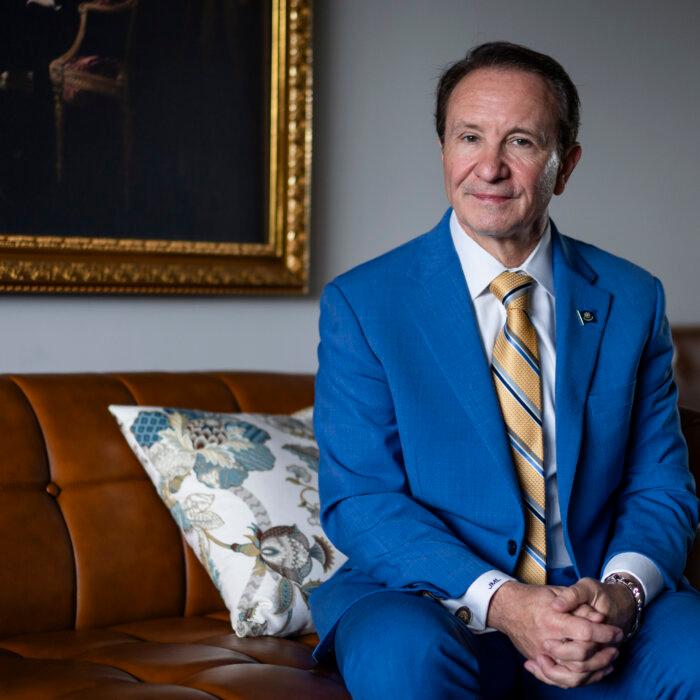
Landry said on Monday that progress had been made in talks over the territory, adding that the future of the world’s largest single country island can only be determined by its people.
Greenlandic Prime Minister Jens-Frederik Nielsen and several other local politicians said they had declined invitations to the opening of the new diplomatic mission.
“We haven’t made a decision in principle, but I won’t participate,” Nielsen told local newspaper Sermitsiaq.
Several hundred people made their feelings known outside the consulate, many carrying the island’s red and white flag and posters with slogans including, “USA, stop it.” Chants from protesters included, “No means no” and “Greenland belongs to the Greenlanders.”
Protests and Political Concerns
The opening of the consulate was met with protests from those wary of Trump’s ambitions for greater influence over the mineral-rich Arctic island.Howery was handed a letter of protest on Thursday from Malene Vahl Rasmussen, the mayor of Kujalleq, Greenland’s southernmost municipality with 6,000 inhabitants.
Rasmussen said in an interview with TV2 that Greenlanders are being affected by American statements about their homeland.
“I represent the citizens of the municipality, but I also represent my country, and I will do everything I can to protect it,” Rasmussen said.
Asked if she believed her country was in danger, she replied, “Yes.”
“It’s ... unacceptable. That is not how you treat your allies,” she added.
Landry told reporters he would report back to Trump that the president has “put Greenland on the map” with the recent publicity the island has received.
“I will report back to him that ever since he began talking about Greenland back in 2016, he has actually put Greenland on the map. And what he essentially did was recognize that the United States, prior to President Trump, had neglected Greenland,” Landry told a journalist on Tuesday.
Asked about whether the United States hopes to take over Greenland, Landry replied that the mission is to bring this country under the Monroe Doctrine in a way that is “beneficial to Greenland.”
“When I spoke with Greenlanders, every question was about this: Do you want the United States to be here? Not everyone says no; some want a closer relationship,” Landry said.
The Monroe Doctrine is a roughly 200-year-old U.S. foreign-policy position, first articulated by President James Monroe in 1823 during his seventh annual message to Congress.
The U.S. National Archives and Records Administration summarizes it as a warning to European nations that the United States “would not tolerate further colonization or puppet monarchs.”
The U.S. State Department’s Office of the Historian website states: “The three main concepts of the doctrine—separate spheres of influence for the Americas and Europe, non-colonization, and non-intervention—were designed to signify a clear break between the New World and the autocratic realm of Europe.”