The Ontario government has announced plans to table legislation that would require those accused of a crime and granted bail to make an upfront cash security deposit instead of allowing them to pay later if they violate the terms of their release.
“That’s why our government is advancing a comprehensive tough on crime bail strategy that will strengthen the rules, reinforce compliance, and keep violent and repeat offenders off the street,” Downey said.
No cash deposit is required up front when people are granted bail under the current system. The accused and their surety are only required to make a payment if the defendant breaches the conditions of their bail and the court orders payment.
That process would change under the newly proposed system. Payment would occur upon the release of the accused individual from custody and the money would be refunded once their case was concluded.
Toronto Police Chief Myron Demkiw also spoke at the press conference. Demkiw said failing to comply with conditions is the third-most common charge associated with firearms offences in the city, a fact that he said “reflects how frequently individuals breach the conditions of their release.”
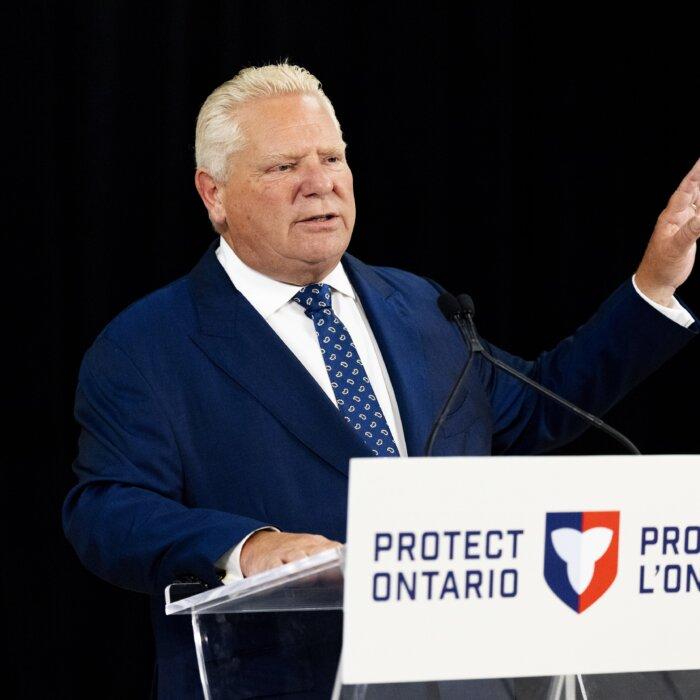
Downey said he believes the measure, in addition with other changes announced by the province, will lead to better bail compliance. One of those measures is a proposed requirement that sureties provide up-to-date information about the accused person they are supervising through a centralized database.
“There have been cases where sureties have failed to report when the accused person they are supervising has breached their bail conditions, or where the same surety has proposed themselves for multiple accused persons simultaneously,” the province said.
“The creation of a surety database would help hold sureties accountable, improve efficiency, increase public safety and strengthen information sharing between police services by allowing police to access data collected by other jurisdictions.”
Downey and Solicitor General Michael Kerzner announced several additional non-legislative initiatives designed to bolster the bail system, including improved digital resources for monitoring repeat offenders. Digital improvements would include a centralized repository for information supplied to police by prosecutors to ensure critical details are consistently available for bail hearings and subsequent proceedings.
Bail Reforms
Ontario Premier Doug Ford has expressed his discontent with Canada’s bail system on several occasions. The premier has been calling on the federal government for more than a year to reform the current bail system and has asked for more substantial prison terms for repeat offenders.Downey told reporters during the press conference the legislation tabled by the federal Liberal government this fall to make it harder to get bail for offences like vehicle thefts and breaking and entering, was a “step in the right direction.”
The bill proposes a reverse onus concerning bail for certain offences, shifting the responsibility of proof from the prosecutor to the defendant. The accused would have to demonstrate why he or she should receive bail.
If this legislation is enacted, it could lead to a rise in the number of individuals held in pre-trial detention when many jurisdictions are facing jail overcrowding caused by delays in court processes.
Justice Minister Sean Fraser has said that because detention facilities are provincial jurisdiction, the premiers requesting bail reform should be ready to accommodate more inmates.
“The provinces who are asking for these changes fully understand that they have a role to play, including, where appropriate, adding more resources to the system,” Fraser told reporters at a press conference last month. “Not just when it comes to detention, but making sure we have enough prosecutors, enough provincial court judges, enough community policing to prevent crime from taking place in the first place.”