The Ontario government is proposing legislation that would shield the records of Premier Doug Ford and his cabinet from freedom-of-information laws, saying the existing legislation, written in 1988, needs updating for the modern era.
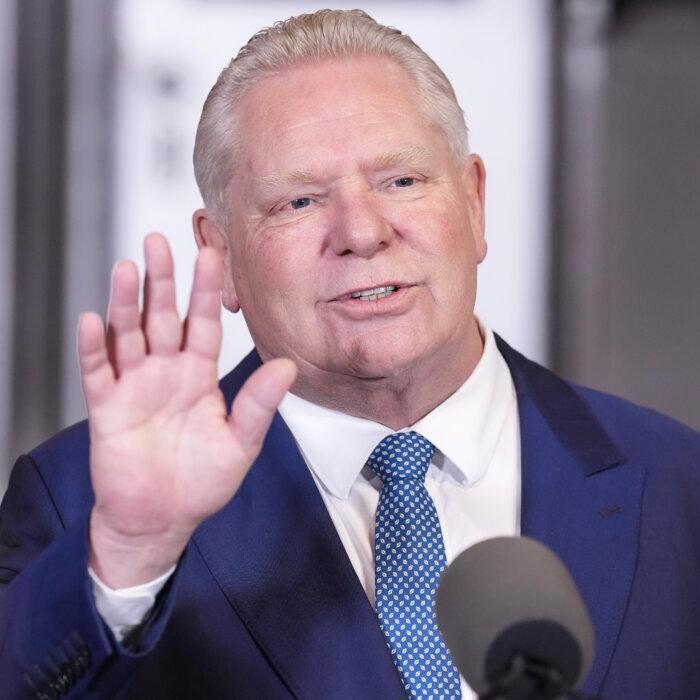
“We didn’t have smartphones. We didn’t have cyber threats. We didn’t have cloud computing,“ Public and Business Service Delivery and Procurement Minister Stephen Crawford told reporters at a March 13 press conference. ”When this legislation was written, it was 10 years before the Spice Girls were a thing.”
Opposition parties, however, argue the change would limit public scrutiny of the political process and curtail the public’s right to know how the leaders of government are making decisions.
If the proposed legislation takes effect, it would mean records of the premier, cabinet ministers, parliamentary assistants, and their offices would be exempt from freedom-of-information laws.
Records that would reveal cabinet deliberations or advice to government are already exempt under current law. But Crawford said the proposed change would close “longstanding gaps” and strengthen cyber security, while also reducing red tape and better protecting confidentiality.
“Ontario is one of the only jurisdictions in Canada without explicit protections for records belonging to cabinet ministers or their offices,“ Crawford said. ”This weakens clarity of protections for cabinet decision-making and undermines the candidness of critical confidential discussion. Ministers need to be able to receive candid, evidence-based advice.”

Crawford argued that Ford’s Progressive Conservative administration is still “one of the most transparent governments in the history of Ontario,” citing an open data catalogue, an audit of a regulator, and a move eight years ago to publish financial information from the former Liberal government.
Proposal Criticized
NDP Leader Marit Stiles said she believes the proposed law is about allowing the government to “hide the truth from Ontarians.”“Under these rules, it would have been impossible to uncover this government’s Greenbelt corruption,” Stiles said on X after Crawford’s announcement. “An honest government doesn’t change the rules to hide from the public. But Doug Ford’s government does.”
Ontario created the Greenbelt in 2005 to protect agricultural and environmentally sensitive lands in the Greater Golden Horseshoe area from development.
The government announced in November 2022 a plan to remove 15 sites from the protected Greenbelt area—comprising farms, forests, and wetlands—to build housing.
The province announced a review of the procedure in 2023 after two scathing reports were released by the auditor general and the integrity commissioner saying the housing minister’s chief of staff favoured certain developers over others when deciding which lands would come out of the Greenbelt.
Ontario Green Party Leader Mike Schreiner also criticized the proposed legislation in an X post.
“The public deserves to know how Doug Ford and his government are making decisions,” he said. “Especially when those decisions consistently benefit the wealthy and well-connected.”
Crawford said during the press conference that government records would not be completely inaccessible. He said the province’s auditor general and information and privacy commissioner will still be able to compel cabinet to produce records.