Members of the provincial parliament in Ontario will soon be getting a 35 percent pay increase and new pension benefits under legislation introduced by Finance Minister Peter Bethlenfalvy.
It would make changes to the Legislative Assembly Act and end a pay freeze that was put in place about 16 years ago.
Base pay for Members of the Provincial Parliament (MPPs) has remained at $116,550 since 2009, the government said.
Changes outlined in the legislation will see the base pay for MPPs increase to $157,350, or 75 percent of what federal members of Parliament earn.
That number would be higher for those with a cabinet post, and the premier.
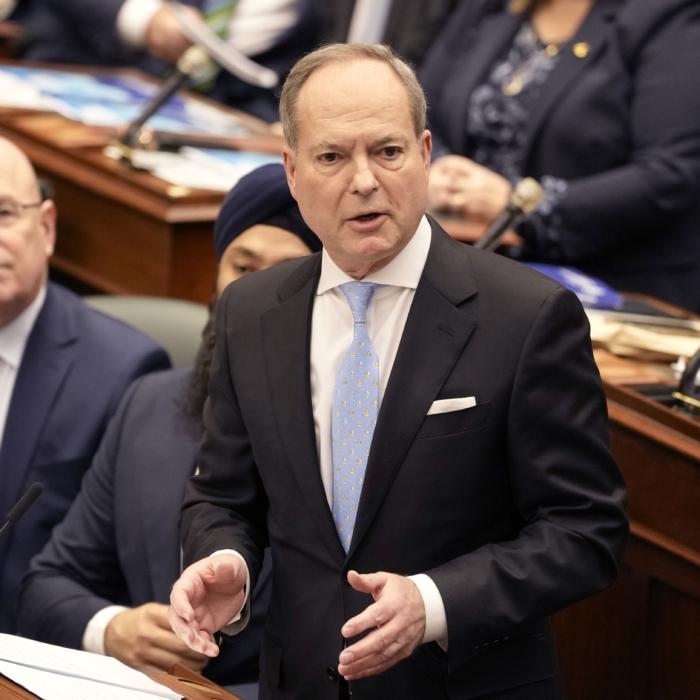

The premier would see an increase from $209,000 to about $282,000. Cabinet ministers’ pay would increase from $166,000 to around $224,000.
The legislation would also re-introduce pension benefits for MPPs.
A previous pension plan for MPPs was abolished about 30 years ago by then-Premier Mike Harris’s government.
While MPPs are currently able to contribute 10 percent of their salary into a retirement savings plan, the changes would permit enrolment in the existing Public Service Pension Plan.
The legislation would also allow those members who have served for at least six years to access supplemental benefits.
New pension benefits would take effect on Jan. 1, 2026.
The Canadian Taxpayer’s Federation (CTF) criticized the proposed pay rises, saying there should be no hikes given that the province is in debt.
“Ontario’s debt is skyrocketing and instead of focusing on fiscal responsibility, politicians are rewarding themselves,” CTF federal director Franco Terrazzano told The Epoch Times in an email.
“This sends the wrong message to taxpayers who are already under pressure from inflation, taxes, and high living costs,” he said.
Ontario’s debt for fiscal year 2025–26 is expected to reach $14.6 billion. That’s up from the $4.6 billion forecast in last year’s budget.
The province said it expects to see a surplus in 2027–28.
The adjusted base pay increase would be effective the day of the 2025 election, which was Feb. 27.
The MPP salary freeze set in place in 2009 was expected to end in the second fiscal year the province budget saw a surplus.
However, in 2022, when the province ended a fiscal year with a surplus, the government said it was going to introduce legislation to pause the automatic pay increase.
“While people are struggling due to increasing costs, politicians should not be getting raises,” a 2022 news release said.