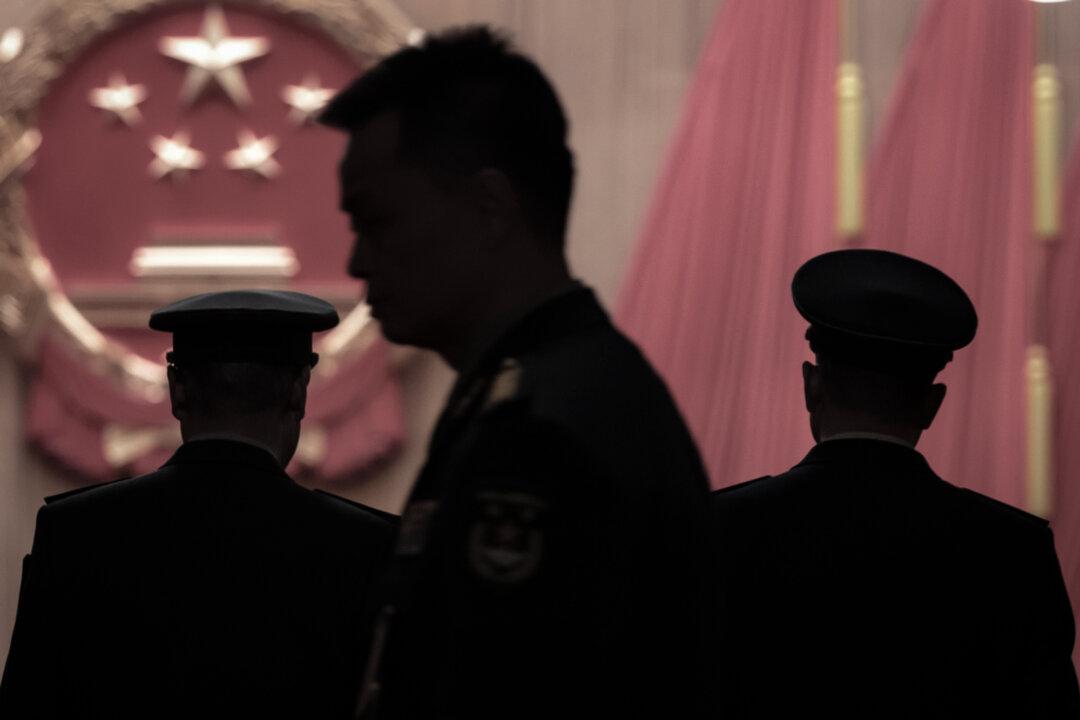
Civil servants at the Office for National Statistics (ONS) have voted to strike after being told to work in the office for at least 40 percent of the time.
The Public and Commercial Services (PSC) Union said on Thursday that it had “challenged the need for the new policy ” with its sister unions, and that it had written to the employer to seek urgent talks to resolve the dispute.
Civil servants, like other office workers, moved to home and hybrid-working since the beginning of the COVID-19 pandemic almost four years ago.
The minister said there had been “consistent poor performance in a very small minority of staff” which frustrated their colleagues, and that better management and working from the office can help resolve the issue.
According to PSC, there had been no requirement for ONS staff to spend a certain amount of time in offices until January this year, and staff were given “regular reassurances” that the arrangements would remain unchanged.
The union said staff were told in November 2023 that they would have to come in for at least 20 percent of their working time from January, and at least 40 percent from April.
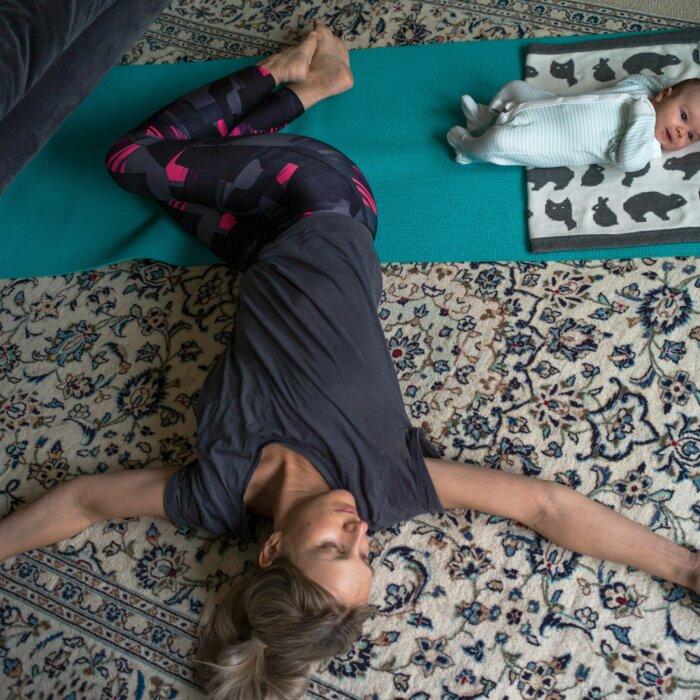
The change meant “considerable disruption, especially for staff with childcare and other caring arrangements,” PSC said.
Opening the ballot on March 13, the union also said “while the planned minimum attendance requirement is lower than the 60 [percent] soon to be required by many other civil service employers, the sudden change has caused anger among staff demoralised by the lack of trust and the need for rapid changes to their childcare and other arrangements.”
The union, along with its sister unions Prospect and FDA, argued the new policy was not necessary, maintaining that the post-pandemic arrangements at ONS “have been an example of best practice in flexible and sustainable ways of working—reflected in the awards and recognition won by the organisation.”
PSC hit out at management for not presenting an “evidence-based business case” for telling staff to go back to office, and said they have rejected the unions’ request to delay the rule change.
In an email to The Epoch Times, an ONS spokesperson said: “The ONS has had a hybrid working model for some years, in line with the wider Civil Service, and we believe firmly that our flexible hybrid working plans remain in the best interests of the ONS and all our colleagues.
Threat of Legal Action Over Israel—Hamas War
Separately, the union has threatened legal action over the UK’s arms exports to Israel as civil servants at the Department of Business and Trade (DBT) who are involved with arms exports are reportedly worried that they'd break international law.For the past week, ministers have been under pressure to publish the legal advice it has received on whether Israel is violating international humanitarian law.
According to Sky News, PSC has sent an urgent meeting request to DBT to discuss “the legal jeopardy faced by civil servants who are continuing to work on this policy.”
Speaking to the outlet, the union’s head of bargaining Paul O'Connor said they are “seriously considering taking legal action to prevent [their] members from being forced to carry out unlawful acts.”
“We do not take such cases lightly and we only do so where we have reasonable prospect of winning,” he added.
The Israel-Hamas War began after Hamas terrorists attacked Israeli civilians and soldiers on Oct. 7, 2023, brutally killing some 1,200 people, raping some victims, and taking around 240 hostages.
A government spokesperson said: “We keep advice on Israel’s adherence to International Humanitarian Law under review and will act in accordance with that advice.
“All export licence applications are assessed on a case-by-case basis against the Strategic Export Licensing Criteria.”