EnviosCuba, an online portal used by Cubans in the United States to buy goods and appliances for their relatives in Cuba, has ceased operations amid heightened U.S. economic pressure on the Cuban regime.
In a notice posted on its website, the company stated that it had stopped providing services to customers because of “reasons beyond our control.” It did not elaborate on the reason for the closure.
“All approved and in-process orders will be shipped,” the notice reads. “Thank you very much for your loyalty over so many years. It has been an honor and a privilege to serve you.”
EnviosCuba billed itself as “Cuba’s largest online marketplace for food, appliances, and hardware,” with more than 8,000 products available from more than 100 stores, according to its website.
The portal does not ship products from the United States to Cuba but instead sells items stored in local warehouses operated by Grupo de Administración Empresarial S.A. (GAESA) and delivers them on the island, said Emilio Morales, president of Miami-based Havana Consulting Group.
GAESA is a Cuban military-owned enterprise that has been subject to U.S. sanctions over its role in the financial services sector of the Cuban economy, according to the U.S. State Department.
U.S. Secretary of State Marco Rubio said on May 7 that the sanctions were part of the Trump administration’s efforts “to address the pressing national security threats posed by Cuba’s communist regime.”
The Epoch Times was unable to reach EnviosCuba for comment.
Last month, shipping giants CMA CGM and Hapag-Lloyd suspended all bookings to and from Cuba until further notice, saying the move was prompted by an executive order issued by U.S. President Donald Trump on May 1.
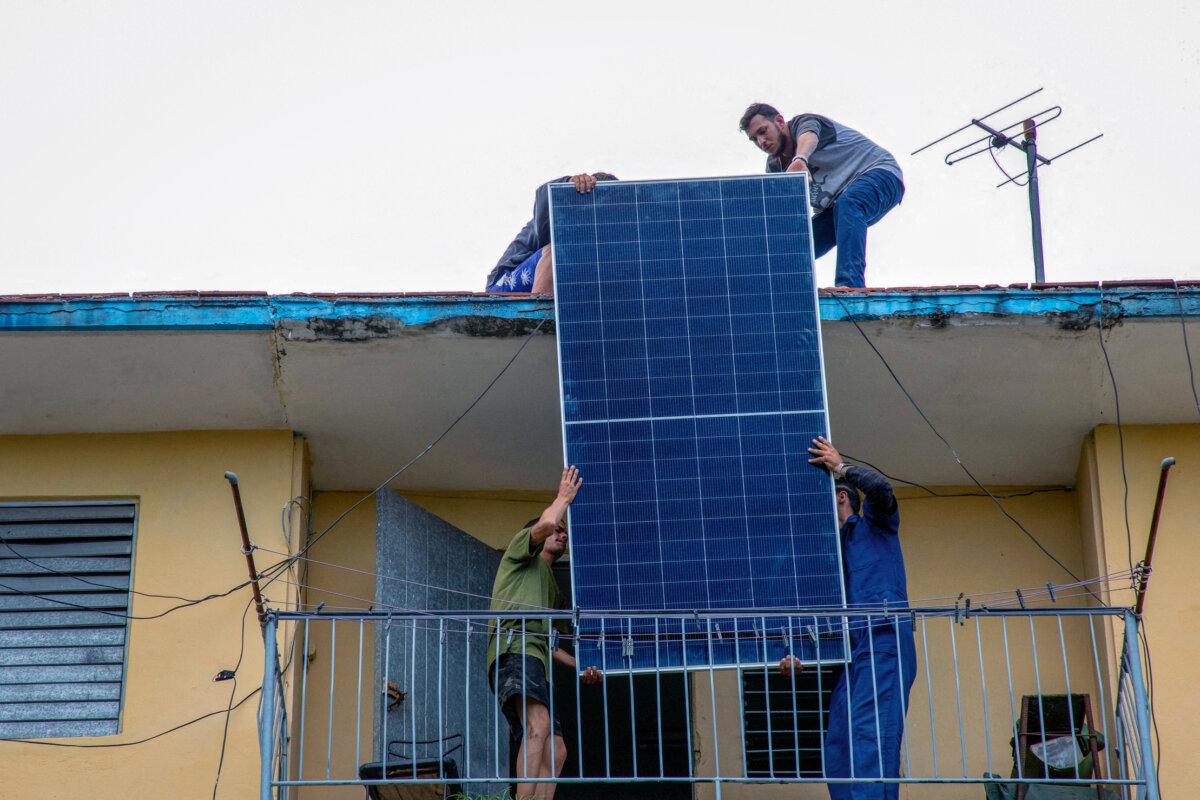
The president’s order authorized sanctions on individuals operating in the “energy, defense and related materiel, metals and mining, financial services, or security sector of the Cuban economy, or any other sector of the Cuban economy.”
It also targeted “any foreign person” deemed to have “materially assisted, sponsored, or provided financial, material, or technological support for, or goods or services to or in support of, the Government of Cuba.”
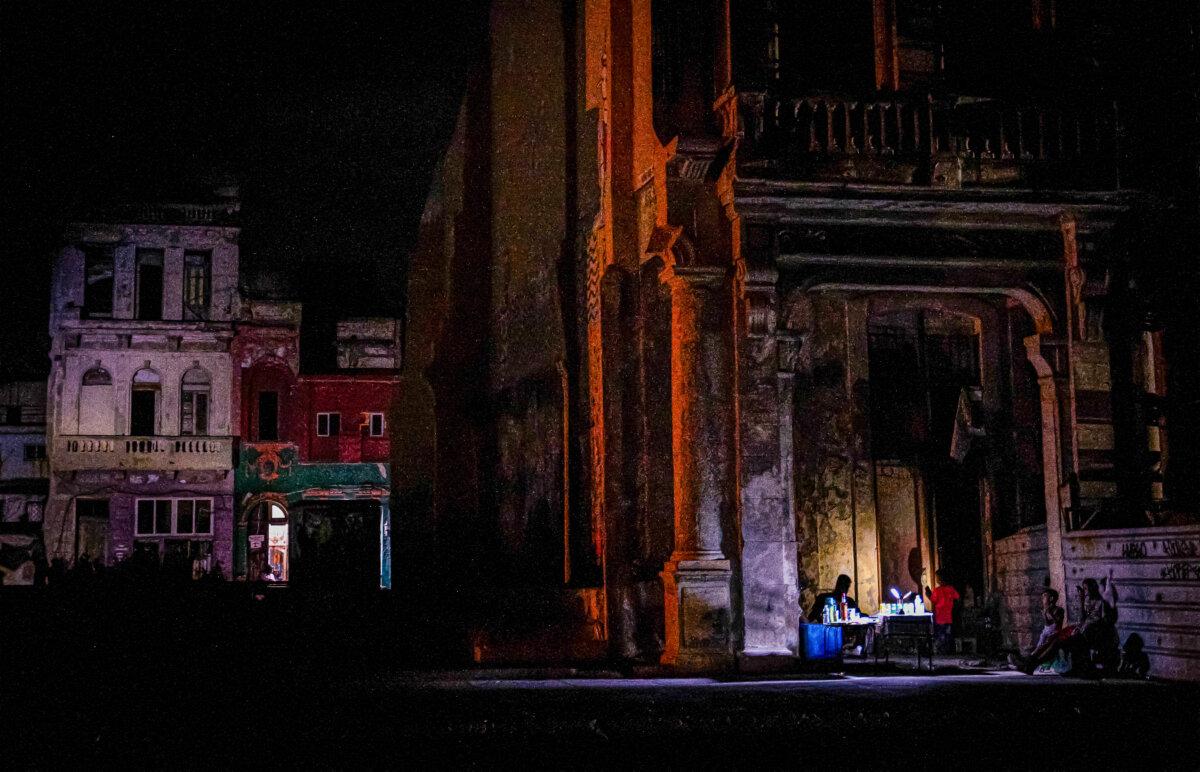
In his order, Trump accused the Cuban regime of aligning itself with “hostile countries, transnational terrorist groups, and malign actors,” including Russia, China, and Iran, as well as terrorist groups Hamas and Hezbollah.
Cuba has relied on Venezuela’s oil supply for decades, but supplies were cut after U.S. forces captured then-Venezuelan leader Nicolás Maduro in a Jan. 3 operation, with interim leader Delcy Rodríguez redirecting oil deliveries to the United States.