Australian One Nation leader Pauline Hanson has vowed to scrutinise—and potentially cut—foreign aid to Pacific nations that double dip by receiving aid from the Chinese Communist Party (CCP).
Australia is the largest donor to developing Pacific nations and has, in recent years, been locked in a donations arms race with the CCP as the communist regime vies for influence in the region.
Meanwhile, Pacific leaders have largely opted out of taking a side in the debate, preferring to receive aid and overtures from Beijing and democratic nations like Australia and the United States.
“[I have] 130,000 Australians living in poverty here who can’t get a roof over their head, and we’re giving foreign aid to countries that don’t respect it, and corruption that’s happening there—that needs change,” Hanson told the National Press Club on June 17 in a major address shedding more light on her party’s policy direction.
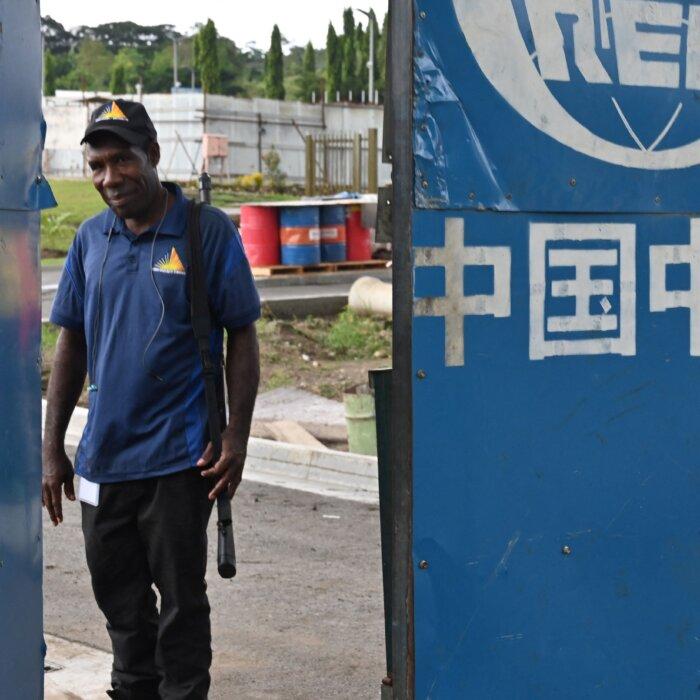
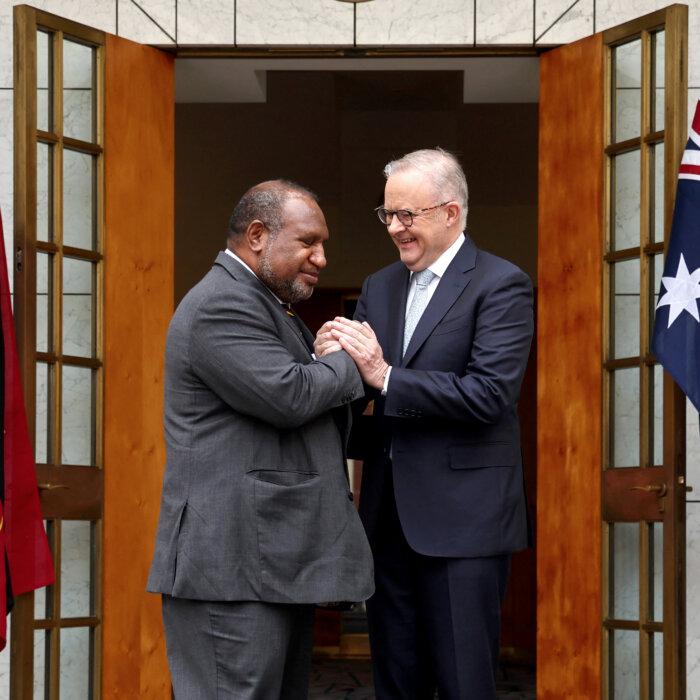

“The amount of money that we’ve helped with our Pacific partners ... only to still allow the Chinese to come in there with their Belt and Road project ... that’s like they’ve [the Pacific] said to us, ‘Up you, we’re actually going to take the Chinese and have them here,’” Hanson said.
“There has to be give and take. China is our biggest concern, I think that we need to really look at the relationship that they [the Pacific nations] have with China and how it’s going to impact us.”
In response to Hanson’s pledge, PNG’s Foreign Minister Justin Tkatchenko, who incidentally is in Adelaide, Australia called her comments “false and defaming.”
“It’s uncalled for and totally irresponsible for her to say such a thing when she doesn’t know the truth,” Tkatchenko said.
This strategy aims to gently influence Pacific leaders while avoiding accusations of “talking down” to the former colonial countries.
This approach has manifested in the form of Australian and U.S. taxpayer funds backing initiatives like police training, military support, economic growth projects, and infrastructure funding, while avoiding publicly pushing the Pacific to take a stance on the CCP.
Albanese stated at the time that the initiative aims to foster grassroots development, economic growth, and regional unity.