The price of the benchmark Brent crude oil climbed to $105.92 per barrel in early trading—an intraday spike of about 4.5 percent—as markets reopened after the weekend, as the commodity continued to fluctuate amid the uncertainty caused by the war.
This marked a surge of $4 before the price slipped slightly, following weeks of ups and downs, including highs of $126 per barrel on April 30 and lows of $98 on May 6.
However, all these prices remain well above the pre-war cost of about $70 per barrel.
Washington made an offer to Tehran last week in a bid to rekindle negotiations between the warring parties.
Iran on May 10 released its response to the offer, which focused on ending the war on all fronts, including Lebanon, where U.S. ally Israel is fighting Iran-backed militants from the Hezbollah terrorist group.
Tehran also demanded compensation, asserted its sovereignty over the Strait of Hormuz, and called for the United States to end its naval blockade, guarantee no further attacks, lift sanctions, and lift a ban on Iranian oil sales.
Within hours, Trump dismissed the proposal in a social media post.
“I have just read the response from Iran’s so-called ‘Representatives,'“ Trump wrote in a Truth Social post on May 10. ”I don’t like it — TOTALLY UNACCEPTABLE!”
Tehran responded on May 11 by defending its stance.
“Our demand is legitimate: demanding an end to the war, lifting the [U.S.] blockade and piracy, and releasing Iranian assets that have been unjustly frozen in banks due to U.S. pressure,” Iranian Ministry of Foreign Affairs spokesperson Esmaeil Baghaei said.
“Safe passage through the Strait of Hormuz and establishing security in the region and Lebanon were other demands of Iran, which are considered a generous and responsible offer.”
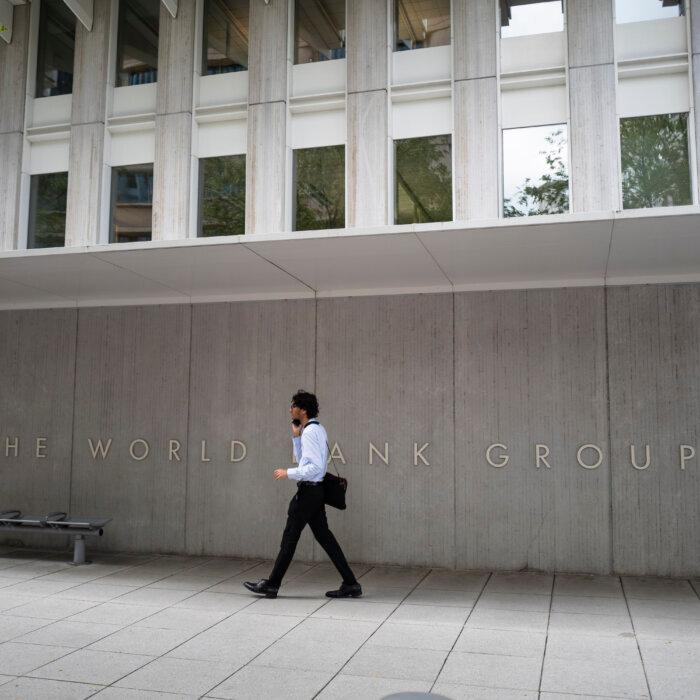
In its May 7 analysis, the World Bank said that global oil demand declined by 0.8 million barrels per day year over year in March and is forecast to fall by another 1.5 million barrels per day in the second quarter of 2026.
“Oil demand destruction is emerging,” the World Bank said, citing rising prices, trade disruptions, and reduced economic activity in advanced economies, Asia, and the Middle East.
S&P Global Energy said on May 6 that the immediate reopening of the Strait of Hormuz would not be a quick fix at this stage. The commodities giant said that if the waterway were to reopen, it would take an additional seven months at a minimum to fully restore upstream production, assuming that there is no permanent damage and that supply chains operate smoothly.
Chevron CEO Michael Wirth, meanwhile, said on May 4 that physical oil supply shortages would begin to appear worldwide because of the closure of the strait.
“Demand needs to move to meet supply,” Wirth said during a discussion sponsored by the Milken Institute. “Economies are going to have to slow.”