Oil prices pared back earlier rises on June 8 after Iran announced that its strikes against Israel were over.
Iran said it had suspended military operations against Israel following a weekend exchange of missile strikes, but warned that any further Israeli attacks—including ongoing operations in southern Lebanon—would trigger a more severe response.
During early trading on June 8, oil prices rose after investors reacted to the exchange of hostilities. Brent crude futures jumped by more than 4 percent to more than $97 per barrel in early trading, reversing a two-session decline as investors balked at the flare-up of hostilities.
Following the announcement that Tehran had ended attacks against Israel, that price tumbled to about $94 per barrel, which, although a reduction, is still more than the June 5 closing price of just less than $93 per barrel.
Iran’s Islamic Revolutionary Guard Corps said on June 8 that it responded by targeting Israel’s Ramat David Airbase with ballistic missiles, the semiofficial Fars News Agency reported.
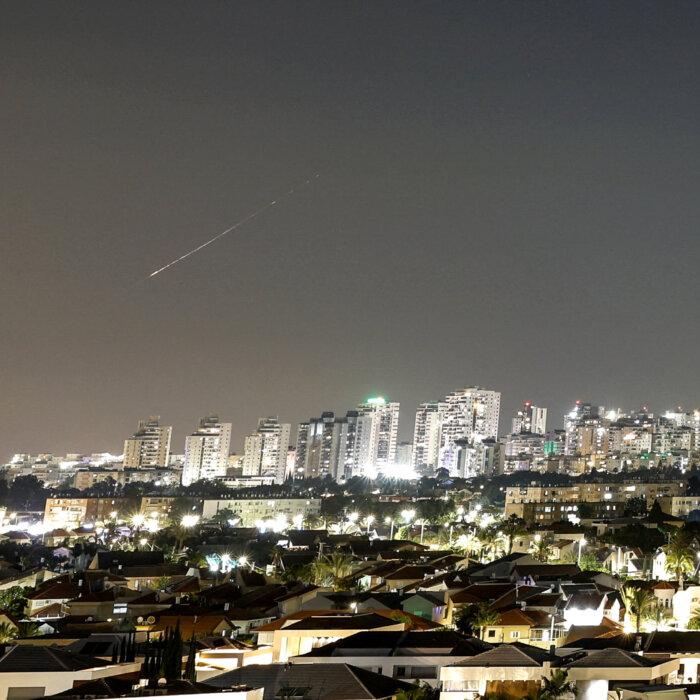
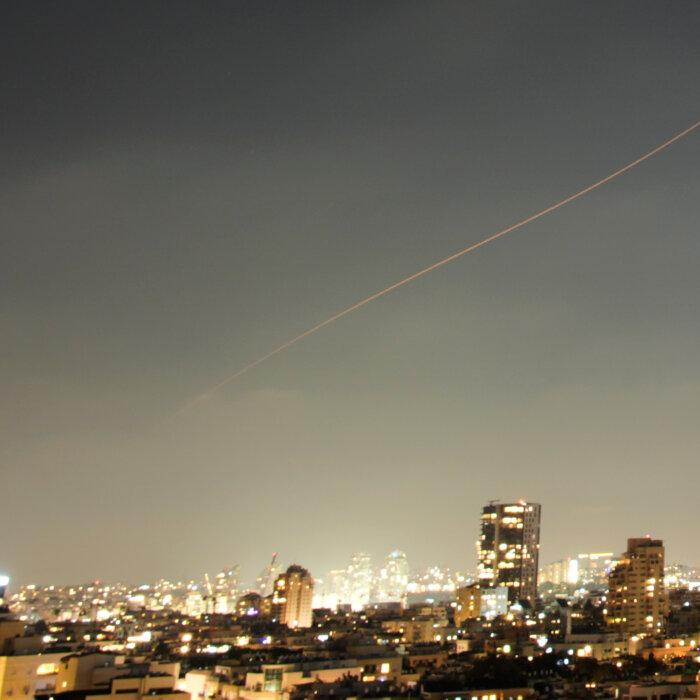
Tehran warned that additional Israeli strikes could trigger a broader response from its military.
The strike on the Mahshahr petrochemical complex was the first hit on an energy site inside Iran since the April 8 ceasefire was agreed upon.
A local official said that parts of the plant were damaged, Iranian outlet Tabnak reported, citing the Fars News Agency.
Explosions were heard in several areas, including Isfahan, Karaj, Tabriz, and Tehran, prompting Iran to close the airspace around Imam Khomeini International Airport in Tehran, according to state television.
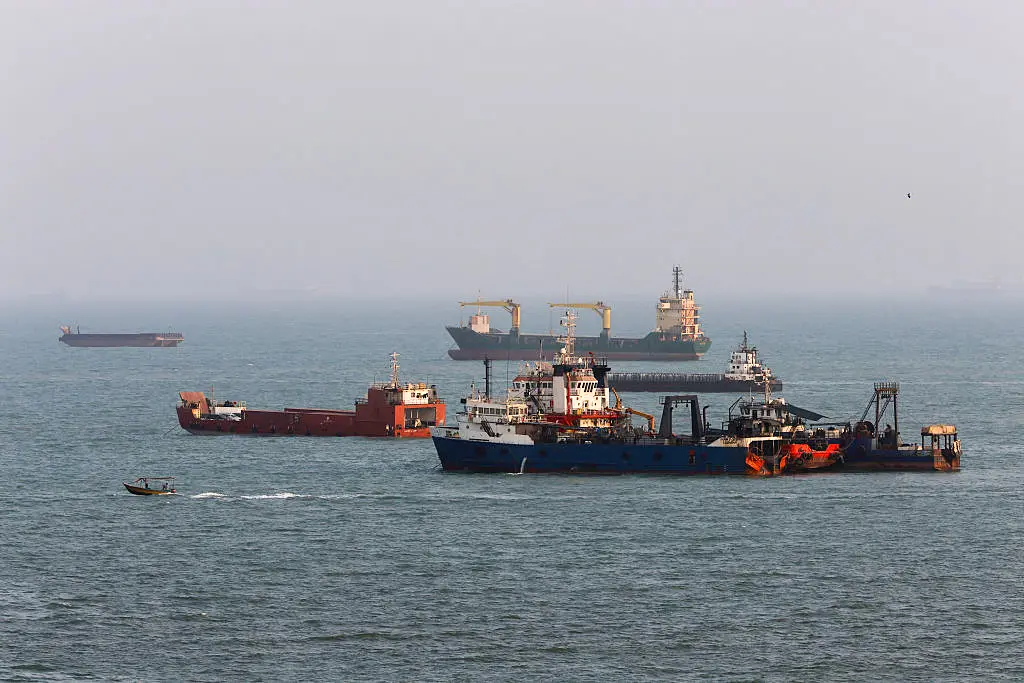
Hopes are now eroding for an imminent end to the wider war and a restart to crude flows through the Strait of Hormuz, through which roughly one-fifth of the world’s oil and liquefied natural gas passes.
“I am going to call [Netanyahu] right now and tell him not to retaliate,“ Trump told Axios. ”Each of them had their fun. Israel had its strike, and Iran had its strike. We don’t need another one.
“We are very close to a final deal with Iran. It is going to be a good deal. I don’t want it to blow up because of what is happening now.”
On June 7, Iran fired a salvo of missiles at Israeli targets in retaliation for the strikes on Lebanon. Even so, Trump insisted that an agreement to end the wider war remains well within reach.
Iran has made a ceasefire with Lebanon a condition for a peace deal with Washington.
Israel invaded Lebanon in March after the Iran-backed Hezbollah terrorist group fired rockets and drones across the border. Lebanon and Israel said on June 3 that they had agreed to a ceasefire following negotiations in Washington.
Trump, in a June 8 post on Truth Social, said that Israel and Iran must “immediately stop ’shooting.'”
In a later post on the same platform, the president said that both sides are seeking an “immediate CEASEFIRE.”
“Final negotiations on ‘Peace’ are proceeding, subject to ignorance or stupidity getting in its way,” Trump said.
OPEC+ Ups Output
Amid the ongoing oil supply crisis, OPEC+ agreed to its fourth output increase in four months on June 7.However, Jorge León, an analyst at Rystad Energy and a former OPEC official, said that the increase in production “means very little” while the Strait of Hormuz remains blocked.
Iran Says Hormuz Will Open Under ‘New Conditions’
Commenting on the situation in the Strait of Hormuz, Kazem Jalali, Iranian ambassador to Moscow, said the waterway will be opened but under new conditions set by Iran and Oman, including a transit fee, in remarks published on June 8.“Naturally, this strait will be opened, but under new conditions, which will be determined by the Iranian and Omani authorities,” Jalali told Russian newspaper Izvestia.
“This is what is currently being discussed,” he said, without going into specifics. “We understand that Iran and Oman provide certain services within this strait. And a fee will be charged for these services. We will see and understand in the future what the fate of this strait will be.”