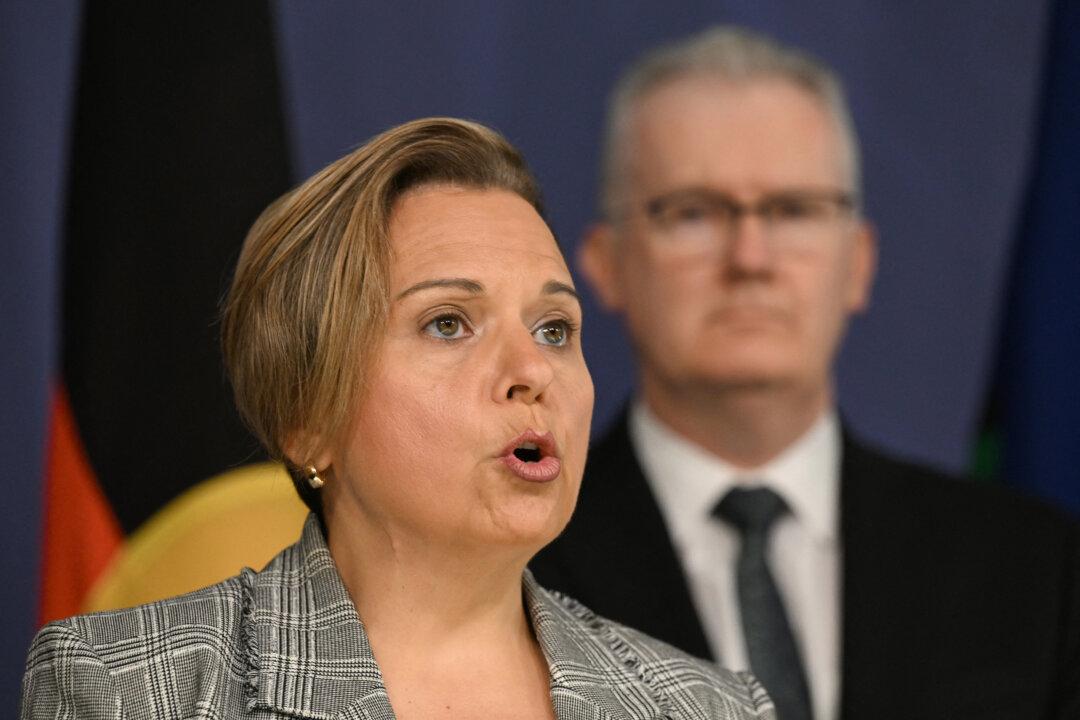
Fresh from the Coalition’s internal battle over net zero, Opposition Leader Sussan Ley says her team is now turning its focus to migration, vowing to produce a policy that demonstrates how a future Coalition government would tackle the issue.
Asked whether the plan would include reducing both permanent and temporary migration, Ley said, “Both the numbers need to be lower.”
She said Australians were describing mounting pressures in daily life—long commutes, crowded hospitals, schools at capacity, unreliable public transport and deteriorating roads.
But she rejected any suggestion of blaming migrants, saying the fault lay in poor planning.
“I’ve always said this is not the fault of any migrant or migrant community … It’s the failings of governments, often state governments, to build the infrastructure to support the population,” she said.
Internal Rift Deepens
Migration has become one of the most divisive political issues of the year. While the government has received criticism over high intake levels, the debate has also exposed rifts inside the Opposition.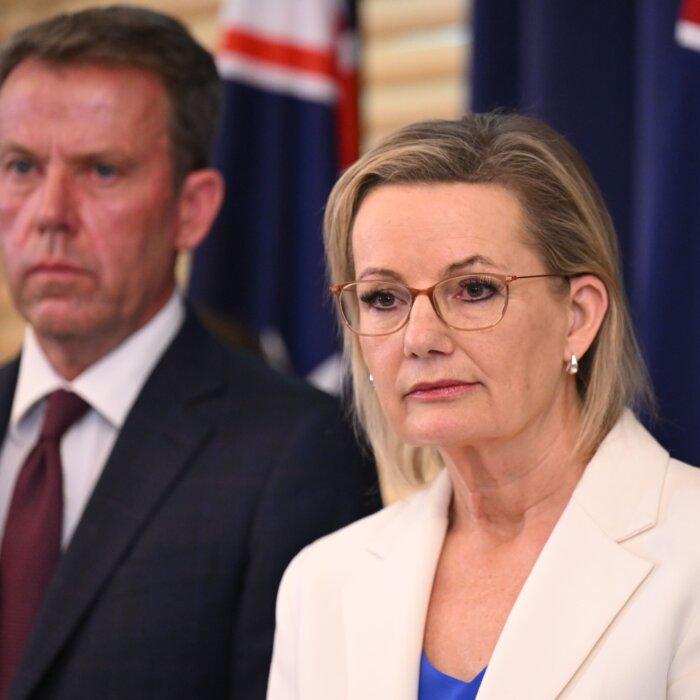

Two senior figures—Senator Jacinta Nampijinpa Price and Liberal MP Andrew Hastie—resigned from the frontbench amid tensions over migration policy.
Hastie, who had been shadow home affairs minister, said he stepped down because Ley and the Liberal leadership would not allow him a meaningful role in shaping the policy direction.
In a message to supporters, he said he tendered his resignation during an early-morning phone call to Ley on Oct. 3.
Hastie has been one of the most outspoken voices on the issue, warning that migration levels were fuelling pressure on housing and living costs.
He argued that Australians were “starting to feel like strangers in our own home” due to what he called “unsustainable” growth.
“In the last two years, we’ve added nearly a million extra people to our population,” he said when stepping down from the shadow portfolio.
Government Holds the Line
Despite the political heat, the federal government has left the permanent migration cap untouched. Canberra confirmed the 2025–26 intake will stay at 185,000—the same level as last year.Home Affairs Minister Tony Burke said the decision reflected the views of states and territories rather than pressure from rallies.
“Consultations recommended maintaining the size and composition of the program, with a focus on skilled migration,” he said, adding the department had already been processing visas at that level and “there has been no disruption to the delivery of the program.”
Meanwhile, new data shows migration flows have returned to pre-pandemic levels. Australia recorded 2.1 million total arrivals in the year to October 2025 and 1.82 million departures—closely mirroring figures before COVID-19 halted global movement.