Nuclear power will be coming to Saskatchewan since there are few other options to meet future electricity demands, says Premier Scott Moe.
Moe told a crowd of legislators at the conference that the province was looking to nuclear power as other options such as coal were being phased out.
Meanwhile, the province is planning to extend the life of its coal-fired power plants beyond federally legislated deadlines before moving to nuclear power generation, according to a letter sent to SaskPower employees last month from Minister for Crown Investments Jeremy Harrison. SaskPower is a Crown corporation and the province’s main utility supplier.
“Saskatchewan people own our coal resource, which we are blessed with in enormous quantities,” Harrison wrote. “The certainty and security of coal means that it will continue as a pillar of our electrical generation system as we bridge to a nuclear future powered by Saskatchewan uranium.”
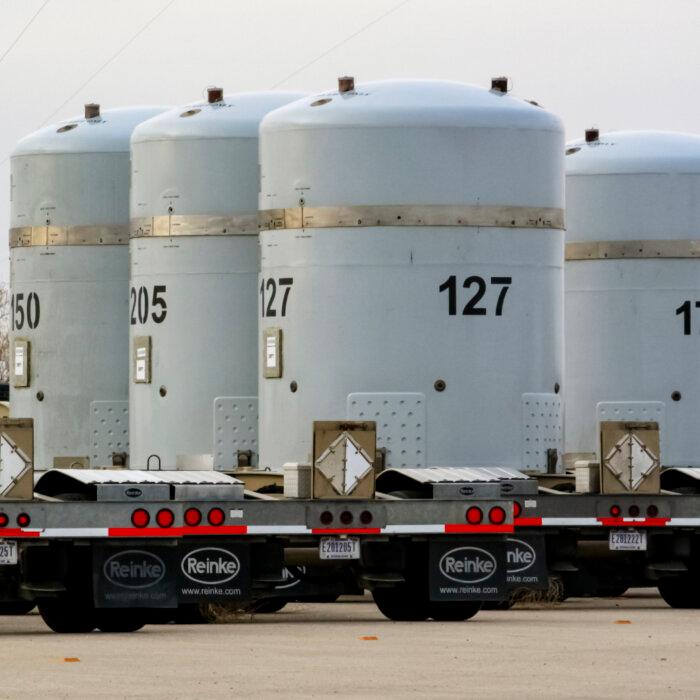
As part of the agreement, both provinces have committed to share information about supply chains, workforce development, fuel supply, and regulation of nuclear reactor technologies such as small modular reactors.
Two sites have been selected in Saskatchewan for a small modular nuclear reactor, but SaskPower said it won’t make a final decision until 2029. Both sites under consideration are near the City of Estevan, 204 kilometres south of Regina, near the U.S. border.
SaskPower said one small modular reactor can provide power to about 300,000 homes all year long.
Moe said it is expected to take about 14 years to build a nuclear reactor in Saskatchewan.
“There are several years of project development, licensing and regulatory work required,” SaskPower said.
The province is also one of the top suppliers of uranium, which is used in nuclear power plants around the world. Saskatchewan provides all of the uranium in Canada, according to Natural Resources Canada. It mostly comes from the Northern part of the province.
Canada is the second largest producer of uranium in the world, the Natural Resources Canada website said.