The pursuit of net zero in Western countries has resulted in a tremendous misallocation of funds and inefficient use of resources, according to a nuclear advocate.
Chris Keefer, president of Canadians for Nuclear Energy, has recently raised concerns about how the West, including Australia, is missing out on development opportunities by continuously pumping money into renewable energy while neglecting other energy solutions.
“I think net zero and the pursuit of net zero is perhaps a noble goal,” Keefer said at the recent 2025 Diggers and Dealers Mining Forum in Western Australia.
“Because if, in this beautiful world, we were able to attain net zero, we would stabilise our global average temperatures, and that’s something I would like to see.
“However, our commitment to it is utterly delusional, particularly ideas that we’re going to get to it by 2050, and this leads to massive misallocations of capital and really delays in doing what I think are the smart moves in terms of carbon emissions reduction.”
Keefer gave the example of his home province, Ontario, which heavily relies on nuclear power. At one point, however, it decided to embark on a green energy transition inspired by countries such as Germany.
Ontario’s Renewable Subsidy Program
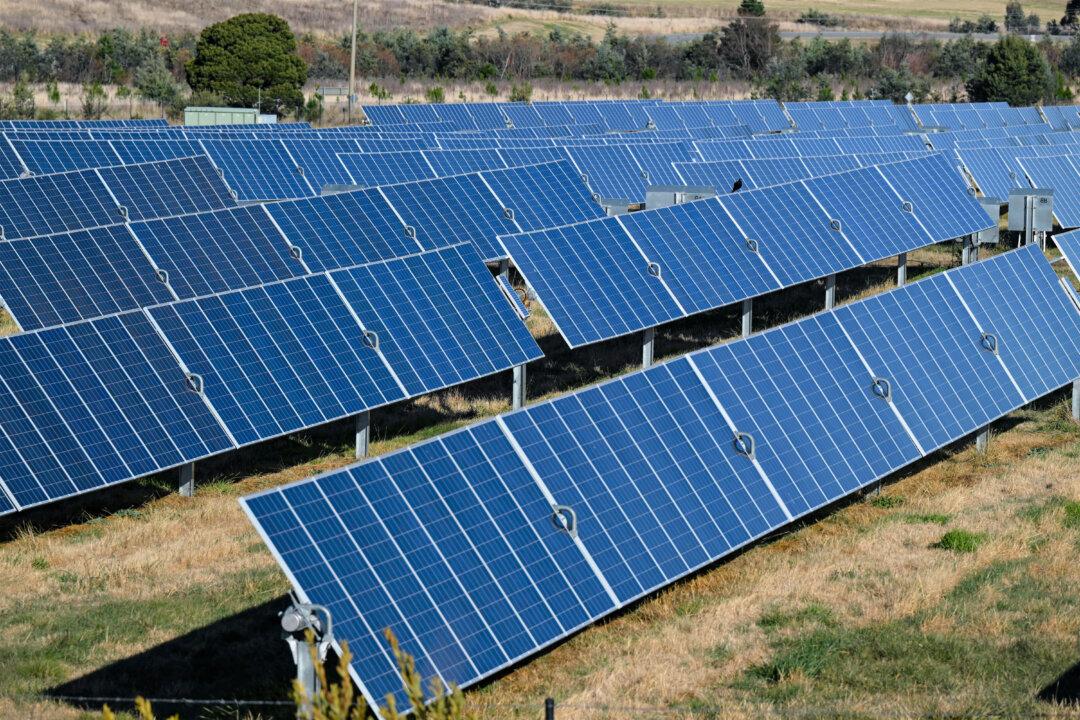
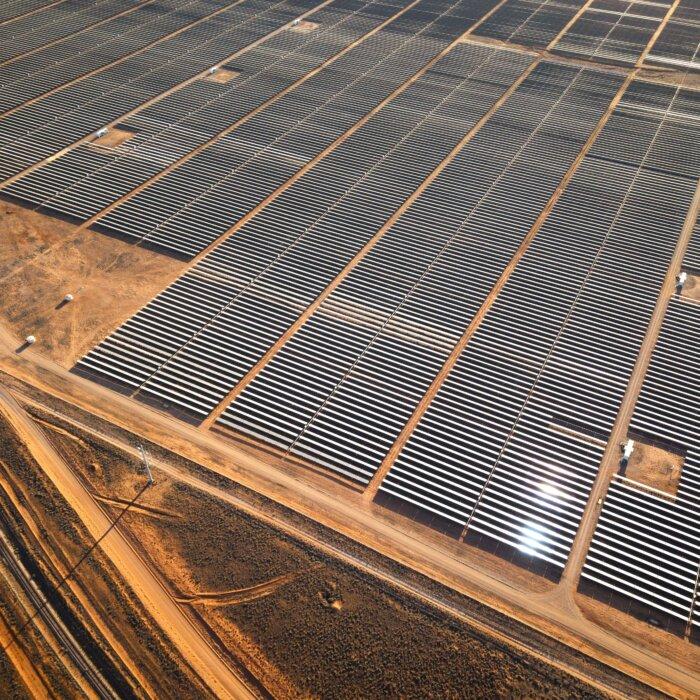
In 2009, Ontario adopted the feed-in tariff (FIT) program as part of the Green Energy and Green Economy Act, which provided a generous subsidy for some solar farms to encourage more renewable development in the province.The program was eventually discontinued, but Keefer said it had a significant impact on Ontario’s financial health.
“The wholesale price of electricity was about four cents a kilowatt, and we were paying some solar developers 80 cents per kilowatt hour for that generation, and it really bankrupted us,” he said.
After heavily leaning into wind, solar, and bioenergy, Keefer said his province is now returning to nuclear power.
“The pendulum has swung, and as we anticipate, demand is rising,” he said.
“We’re adding nuclear, and we’re back on track. But it took a hard lesson.”
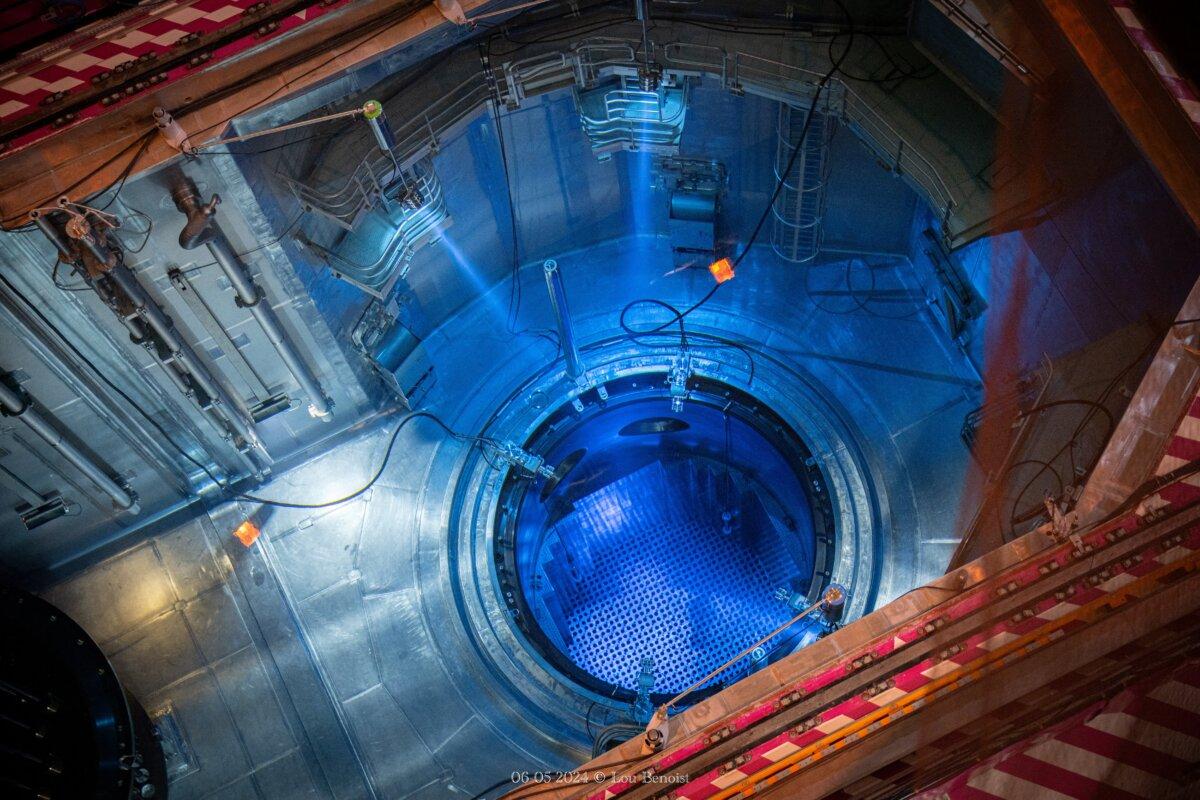
Keefer’s comment came as Ontario is set to start construction on Canada’s first small modular reactor with an estimated total cost of $20.9 billion.
The reactor is expected to generate 300 megawatts of electricity, which can meet the power needs of 300,000 households in the province.
The Lesson from Germany
At the same time, Keefer pointed to Germany as another example of a country struggling with its renewable transition.He noted that Germany has invested billions of dollars in solar and wind, but still relies heavily on coal.
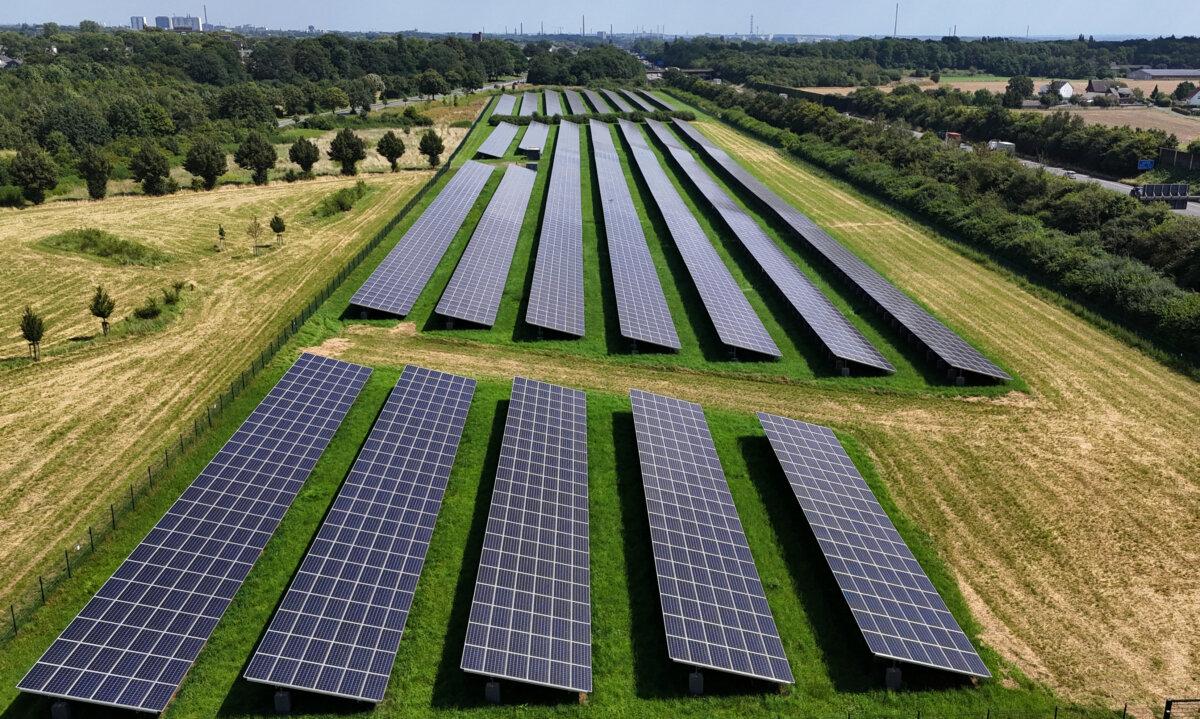
“This is a country where your capacity factors for solar are something like 8 or 9 percent,” he said, noting that Germany has built around 90 gigawatts of solar generation.
“[This is] a dramatic misallocation of capital.
“They shut down their nuclear fleet … [and] were forced to extend [coal] because of the Russian invasion [of Ukraine] and the shock of not having easy access to Russian gas.”
The ‘Taboo’ Topics in Net Zero Transition
Amid the race to net zero, Keefer said certain topics have become a “taboo” and are avoided by Western countries.“[It’s] a taboo to talk about adaptation to climate change, [and] to talk about geoengineering,” he said.
“And so we’re delaying doing the research on it, delaying doing the infrastructure building that we need.”
Keefer also pointed out that governments’ energy policies needed to be based on realism instead of ideologies.
“This isn’t an argument that we do nothing to reduce carbon emissions, but it is an argument for realism, because a shared collective delusion is not going to create ideal and best policy,” he said.