New South Wales Premier Chris Minns says the state’s fuel shortages are largely the result of distribution bottlenecks rather than a lack of supply, as authorities respond to oil price movements in the wake of the Iran War.
Minns made the remarks during an emergency roundtable on March 16 that brought together regional mayors, farmers, unions, and representatives from the fuel and transport sectors to assess the situation across Australia’s most populous state.
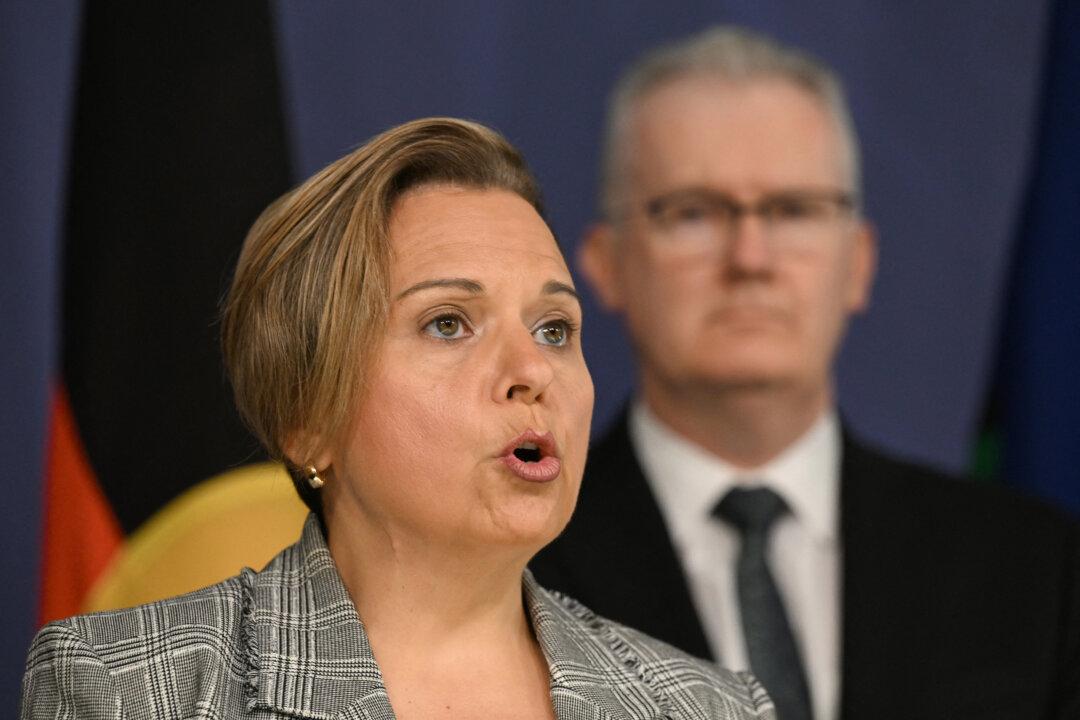
NSW Energy Minister Penny Sharpe told participants that only about “32 out of roughly 3,000 fuel stations” were experiencing difficulties.
Government Monitoring Supply
NSW officials are working with the National Oil Security Emergency Committee to review supply conditions.In a statement issued on March 13, authorities established an incident monitoring system to track fuel levels across the state and verify reports of shortages.

At the same time, NSW Fair Trading has brought forward a compliance blitz on the FuelCheck program, with inspectors set to visit more petrol stations.
Earlier in the week the government also established a crisis coordination group involving NSW Police, the Rural Fire Service, State Emergency Service, Fire and Rescue NSW, NSW Health, NSW Ambulance, Transport for NSW, and the Department of Primary Industries and Regional Development.
Opposition Criticism
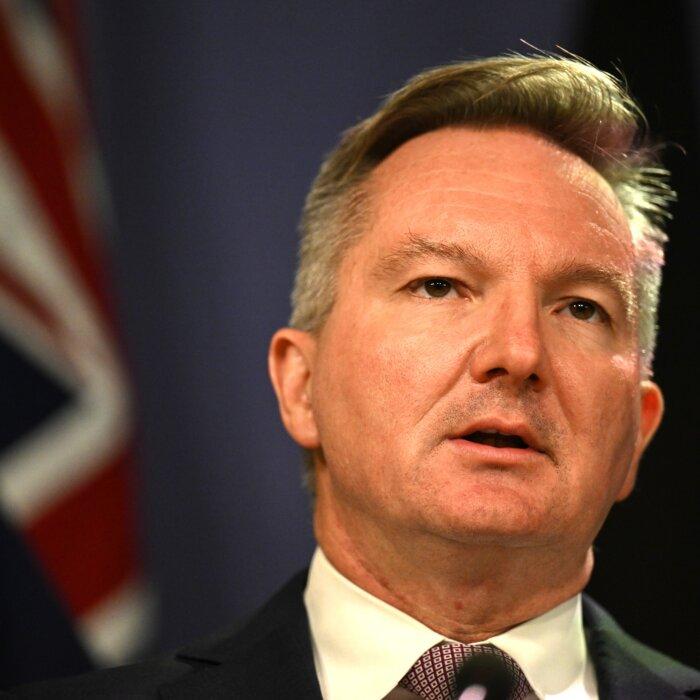
Meanwhile, federal Opposition Leader Angus Taylor blamed Energy Minister Chris Bowen for failing to properly manage the risk to Australia’s fuel supply.“He’s [Chris Bowen] never understood it. He’s not across his job. And I tell you what [Prime Minister] Anthony Albanese should do? He should take control of this situation, because Chris Bowen is leading Australia down, and right now we need an energy minister who’s across his job, and he clearly isn’t,” he told reporters on March 16.