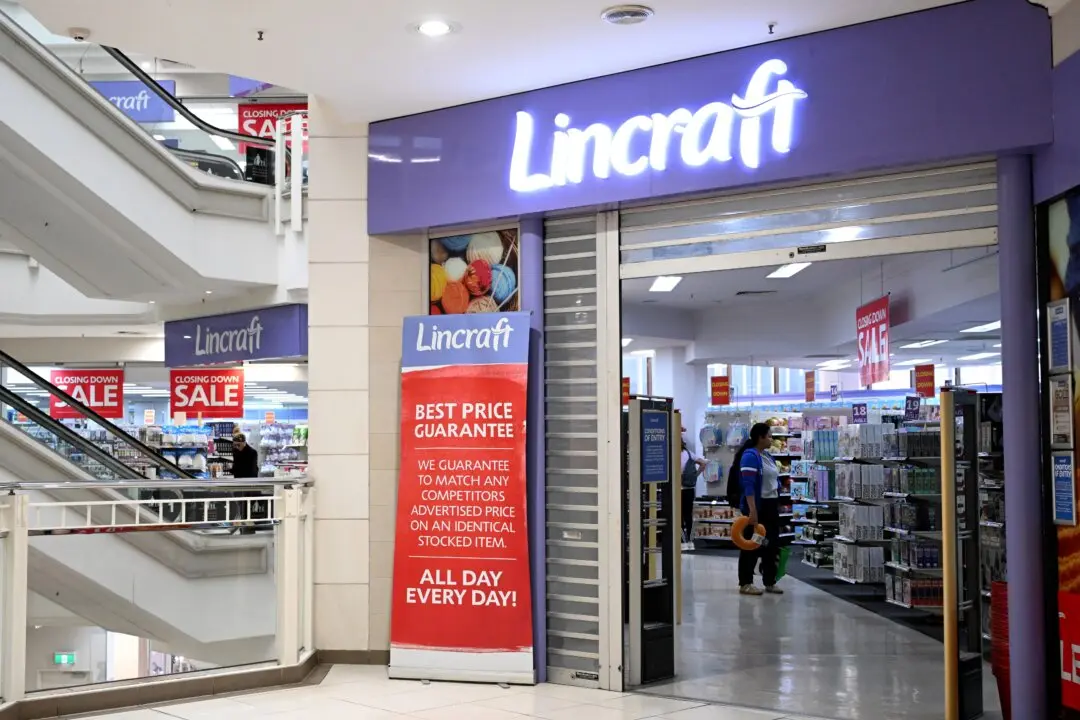
Fuel companies in New South Wales have been ordered to hand over detailed supply and sales data as authorities scramble to assess the scale of shortages amid a worsening national fuel crunch.
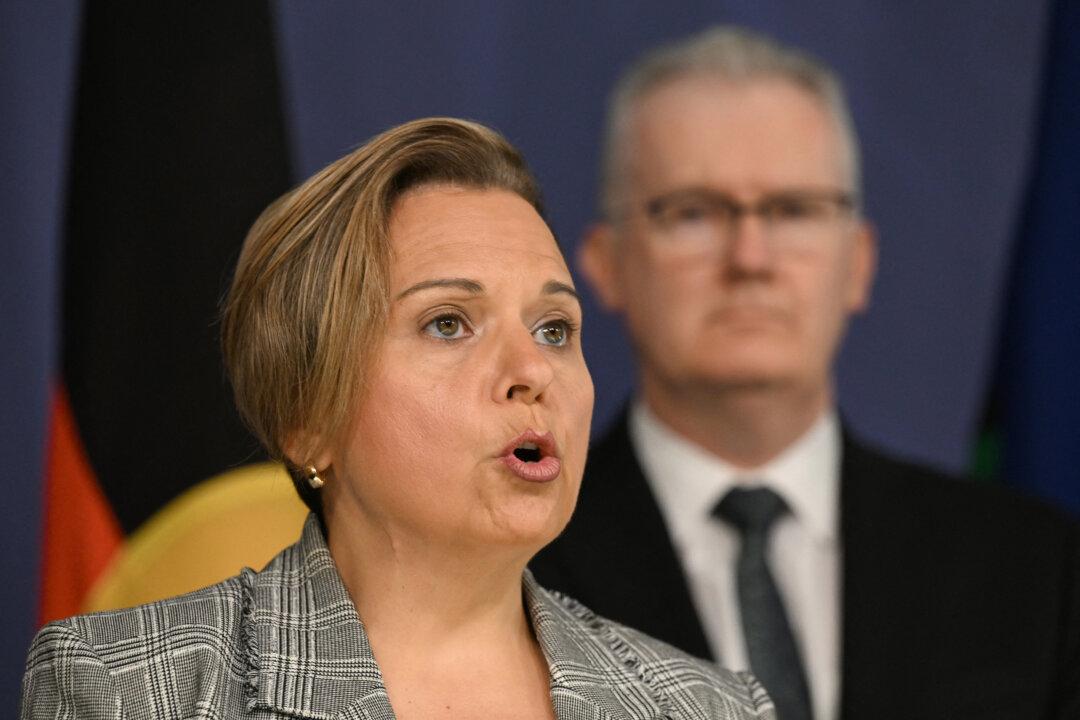
State Environment Minister Penny Sharpe confirmed notices had been issued requiring providers to disclose a broad range of information, as petrol caps begin to affect city service stations.
“We need a clear picture of the situation to best support people and communities as we navigate the challenges posed by this global conflict,” Sharpe said.
The data will also allow the state government to prepare for the possible use of emergency powers if conditions deteriorate.
Shortages Deepen As Global Disruptions Reach Supplies
The intervention comes as fuel disruptions spread across the country, with more than 500 service stations reporting some form of shortage on March 26.Federal Energy Minister Chris Bowen said outages involving petrol, diesel, or both had affected multiple states, with NSW the worst hit.
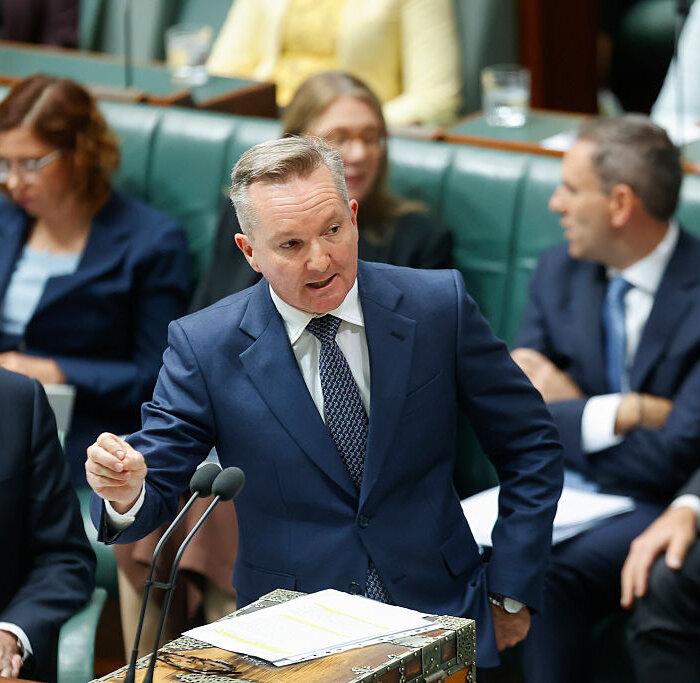
The state recorded 178 service stations without diesel and 48 completely out of fuel, out of more than 2,400 sites.
The shortages has been driven by global supply shocks after attacks on Iran in late February sent oil prices soaring. Iran’s strikes on regional energy infrastructure and the effective closure of the Strait of Hormuz have further tightened supply.
National cabinet is set to meet on March 30 to discuss the situation.
Pressure Mounts For Fuel Tax Cut
The crisis has also intensified political pressure, with the NSW Opposition calling for an immediate cut to the fuel excise to ease cost-of-living pressures.The Liberals and Nationals have urged the Minns government to push the federal government for relief, arguing that rising prices are placing significant strain on households and businesses.
Petrol prices have already surged past $3 a litre in parts of NSW.
Opposition Leader Kellie Sloane said a temporary excise cut would provide urgent support.
“The Liberals and Nationals have continued to put forward measures to provide transparency, reliability, and support families throughout the fuel crisis,” Sloane said.