New South Wales (NSW) will formally intervene in a High Court challenge seeking to strike down Australia’s under-16 social media ban, arguing the new law is valid and necessary.
The move aligns NSW with South Australia, which is already backing the Commonwealth against a constitutional push led by two teenagers and the Digital Freedom Project, a lobby group led by NSW Libertarian MLC John Ruddick.
The challenge claims the ban infringes on implied freedom of communication and will drive young people into riskier online spaces, while also being easily circumvented.
The case was filed against Federal Communications Minister Anika Wells and eSafety Commissioner Julie Inman Grant.
It lands just days before Dec. 10, when 10 major platforms including Facebook, Instagram, TikTok, Snapchat and X must restrict accounts used by under-16s.
‘Responsibility on Platforms’
NSW Premier Chris Minns said his government had long pushed for stronger protections.
“I’ve said before, social media is this giant global unregulated experiment on children,” Minns said on Dec. 8 in a statement.
The government said the NSW attorney-general had decided to intervene, citing the significant constitutional issues raised and the need to represent the interests of NSW residents.
“These laws put responsibility where it belongs—on the platforms themselves. If they fail to protect young people, there must be consequences. We will seek to be heard in the High Court challenge because the principle at the heart of this reform is simple: When something threatens to harm our kids, we act,” Minns said.
South Australia Leads Push
South Australia was the first state to intervene with the Malinauskas government saying the world-first national law followed sustained advocacy and model legislation drafted by former High Court Chief Justice Robert French AC.
“Together with the federal government, we have led the world in crafting legislation to protect our children from the dangers of social media and addictive algorithms,” said Premier Peter Malinauskas.
“The rest of the planet is watching closely. It is no surprise that there will be those who seek to stop our intervention.”
Last year, both governments jointly hosted a social-media summit in 2024—the first of its kind—focused on platform responsibility and child harm.
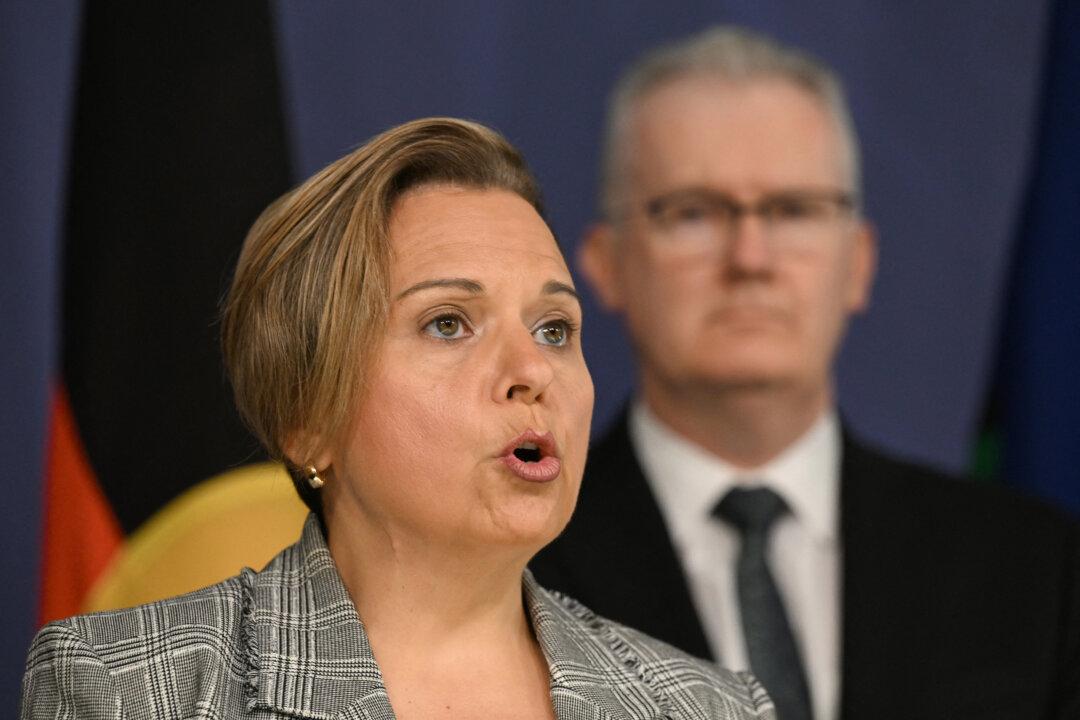
Federal Communications Minister Anika Wells also vowed to defend the ban, saying she has strong parental backing.
“They [parents] know, and we know that this will not be perfect … but for the seven out of 10 kids who witness online harm, we have to give this a crack,” she told the National Press Club on Dec. 3.