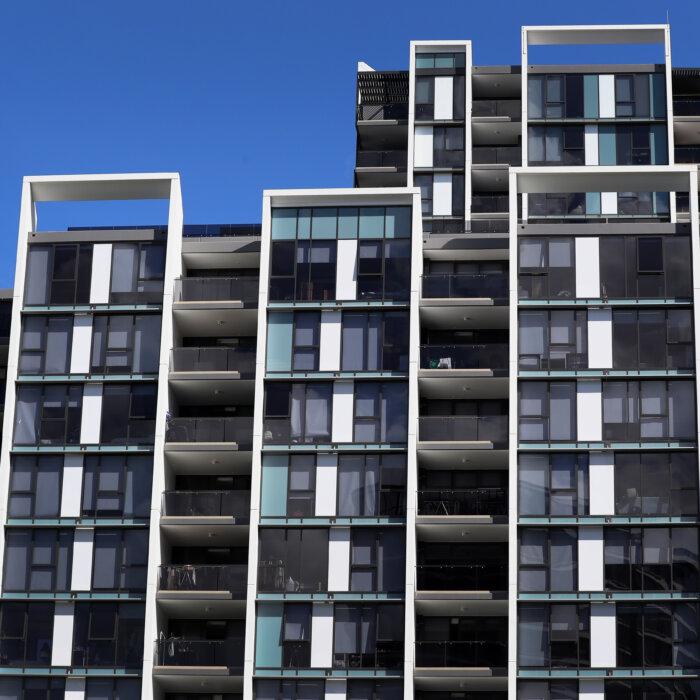
With the current rate of construction falling short by around 30,000 rental properties every year, the New South Wales (NSW) government is turning to a mix of new and old incentives to encourage developers to fill the gap.
To be eligible, a building must be owned and managed by a single entity, include at least 50 rental units, have been developed after 2020, and offer tenants a range of lease options, including fixed terms of at least three years.
Another tax cut—for owners of multi-unit properties primarily used as rental accommodations—will also be extended.NSW Faces Approval and Land Hurdles
Federal Treasurer Jim Chalmers set out the Commonwealth’s “ambitious target” of building 1.2 million additional homes by June 2029 when he spoke at the National Press Club on June 18.For NSW, that means building 377,000 new dwellings, or around 94,250 a year over the next four years.
According to the NSW Urban Taskforce—an industry organisation representing property developers and financiers—the state has only approved 46,000 homes for development in the last 12 months, yet the current housing target for NSW is 76,000 a year.
The state government plans to achieve the target by increasing urban density and building 30,000 homes on government-owned land.
However, part of that strategy suffered a major setback last month when a $5 billion bid to buy the Rosehill Racecourse was rejected. The government had planned to build around 25,000 homes on the site.
In addition to the tax incentives, private developers will also be allowed to opt out of paying a housing and productivity contribution and instead provide land for schools or directly construct infrastructure such as roads.
Minns Government Pushes to Build Homes Faster
Premier Chris Minns said the move would accelerate the development of housing in high-growth areas where infrastructure is limited, including Greater Sydney, the Central Coast, Illawarra-Shoalhaven, and the Lower Hunter.State Treasurer Daniel Mookhey said the changes would give developers ‘’the certainty they need to build more homes, faster.”
“Extending the tax incentives for build-to-rent will make it easier for developers to build and give renters more choice,” he said.