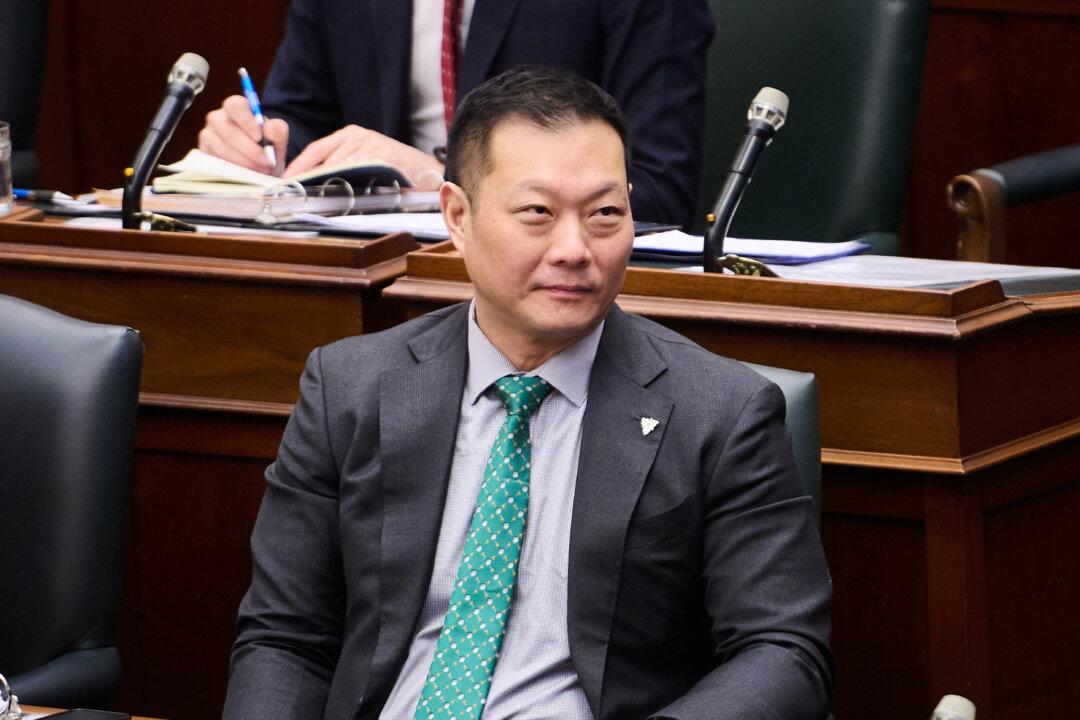
Nova Scotia’s premier is defending his government’s so-called “woods ban” last year, saying the measures were put in place during a period of high wildfire risk and that he would do so again if necessary “to keep people safe.”
Premier Tim Houston announced major restrictions on outdoor activities across the province last August as the province grappled with dry conditions that could spark wildfires. The province banned hiking, camping, fishing, mining, forestry, and other outdoor activities in all forested regions and said anyone caught violating the restrictions could face a fine of up to $25,000.
A Nova Scotia Supreme Court judge ruled last week that the ban was “unreasonable” and placed limitations on travel that were not “trivial or fleeting.”
“Now, months and months later, in almost essentially a world away in the wintertime, a judge has decided that maybe something different should have been done,” Houston said, adding that he did what he thought was right at the time.
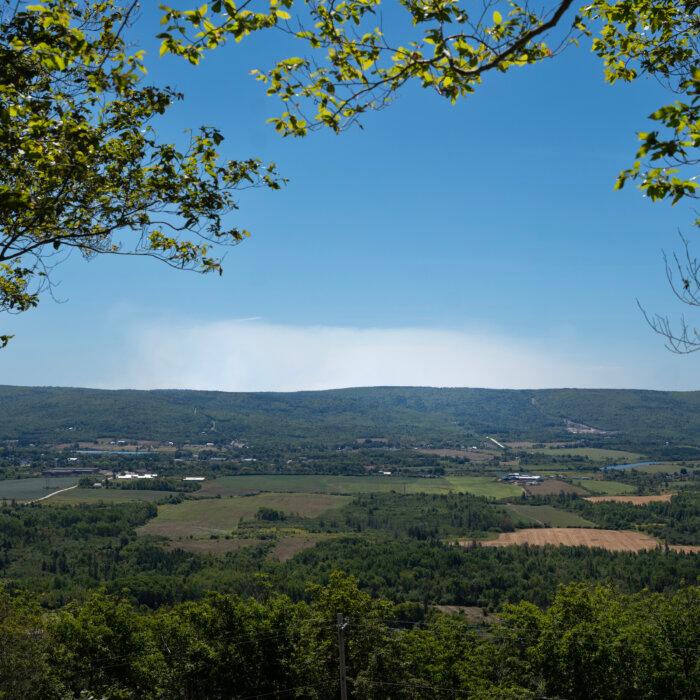
The province was facing wildfire risks ranging from high to extreme when Houston declared the ban on Aug. 5, 2025, with no rain forecast for the following 10 days.
Lightning caused the Long Lake wildfire to ignite in the Annapolis Valley just over a week later on Aug. 13, 2025. The wildfire destroyed 20 homes and some 8,500 hectares of land.
Houston said the ban was also a bid to help firefighting crews who were “stressed” and “stretched for resources.”
Houston was asked by reporters if the court’s ruling would change provincial processes in the future. The premier said he “respects” the decision of the court and has no plan, currently, to appeal it.
Opposition NDP Leader Claudia Chender said the government should seek direction from the court ruling should a similar ban be considered in the future.
Court Case
A constitutional challenge was lodged against the forest-entry ban by resident Jeffrey Evely, who incurred a $28,872.50 fine. Evely had intentionally breached the ban by entering the woods in protest of the measure. The legal challenge was funded by the Justice Centre for Constitutional Freedoms (JCCF).Constitutional lawyer Marty Moore said the court’s ruling confirms that governments have to respect fundamental freedoms, even during an emergency.
Evely said he believes his case was necessary to stand up for Charter rights.
“True, loving Canadian patriots understand that we all have a sacred, civic duty to safeguard these rights and freedoms we’ve inherited for future generations,” he said in the press release. “This decision is a win for the future of Canada, and I am very happy to have had the opportunity to do right by those who went before me.”