A Nova Scotia man has filed a legal challenge to the provincial prohibition against going into the woods and a $28,000 ticket he received deliberately for not following it.
Evely is arguing that the restriction is unreasonable and unconstitutional, and that it violates his Charter rights of liberty and security of the person.
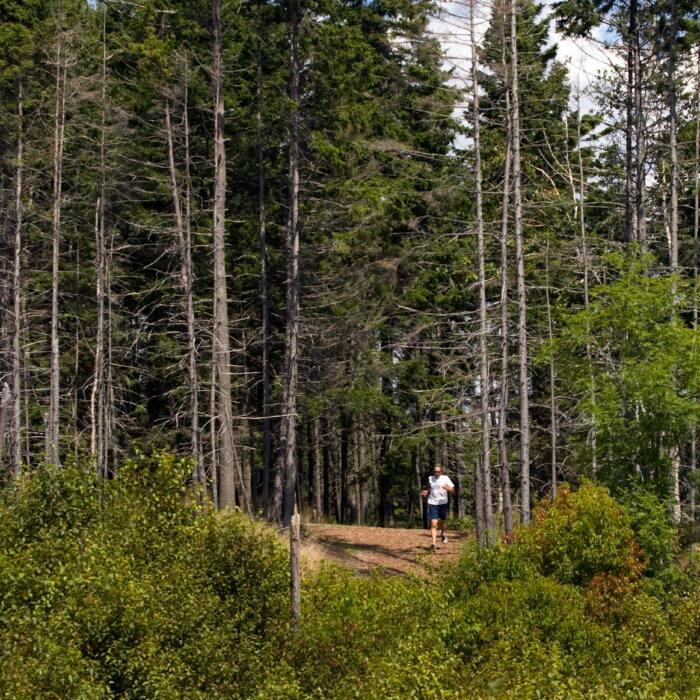
It notes that activities like hiking could allow members of the public to notify officials about fires or fire risks.
JCCF lawyer for the case Marty Moore said the ban targets people, rather than risky activities, as the problem.
“Nova Scotia’s travel ban doesn’t target risky activities, but rather treats people as the problem, and bans them from the woods for any purpose,” Moore said.
“Nova Scotia’s limit on people’s liberties under a blanket claim of ‘safety’ is not rational and has no logical limit,” he added.
Evely previously told The Epoch Times there was “no logical connection” between preventing wildfires and “preventing my sneakers from entering the woods.”
“There are any number of measures they could have taken, like banning smoking in the woods, banning any ignition source from the woods, that I think would have been perfectly sensible given the circumstances,” he said.
The Epoch Times attempted to contact the Nova Scotia government for comment but did not hear back by publication time.
Premier Tim Houston previously said the restrictions were in place to reduce the risk of wildfires caused by human activity. He said people were being kept out of the woods “until conditions improve.”
Houston said that he was asking everyone to “do the right thing,” including not lighting campfires and staying out of the woods to “protect our people and communities.”
The provincial government said that access to beaches and parks were still open, but not trail systems. It added that private landowners were permitted to use their properties, but were not allowed to have others access wooded areas on their property.
Possible 2nd Lawsuit
Another Canadian organization said it was also looking for a judicial review of the Nova Scotia ban on entering wooded areas.CCF said it planned to file for a judicial review and request a hearing “as soon as possible.”
It also started an online petition in support of keeping the provincial trails open to the public.