
No indications of a larger outbreak of the deadly hantavirus have appeared so far, a World Health Organization (WHO) official said on May 12.
“At the moment, there is no sign that we are seeing the start of a larger outbreak,” Tedros Adhanom Ghebreyesus, the organization’s director-general, told reporters in Madrid, Spain, during a press conference with Spain’s prime minister.
“But, of course, the situation could change, and given the long incubation period of the virus, it’s possible we might see more cases in the coming weeks.”
The virus’s incubation period is six to eight weeks.
An adult male who boarded the MV Hondius cruise ship on April 1, after traveling for more than three months in South America, developed symptoms consistent with hantavirus infection on April 6 and died on the ship on April 11. No tests were performed, and the WHO has described him as a probable case.
In total, there are 11 cases, nine of which have been confirmed, and three deaths.
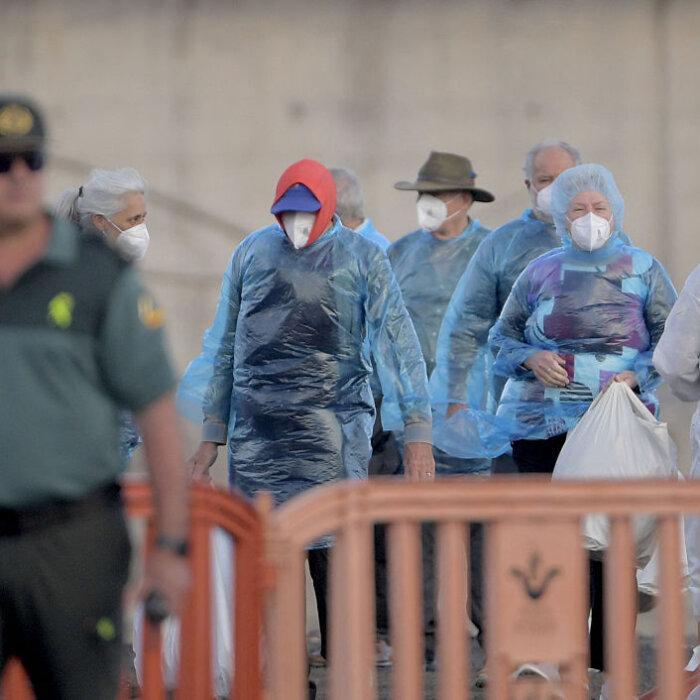

The final passengers were escorted from the ship as it docked in the Canary Islands, an archipelago part of Spain, on May 11. The Dutch-flagged ship has since left for the Netherlands. Oceanwide Expeditions, its operator, said the ship will be sanitized upon arrival, and any remaining crew would comply with quarantine conditions imposed by Dutch authorities.
Dr. David Fitter, the U.S. Centers for Disease Control and Prevention’s incident manager for hantavirus response, told reporters in Atlanta on Monday evening that the hantavirus “is not a novel pathogen” and that “it is very difficult to spread.”
While the Andes strain, which has been confirmed in many of the people who have shown symptoms, does spread person-to-person, it does so only through close contact with bodily fluids from infected people, such as saliva or respiratory droplets, Fitter said.
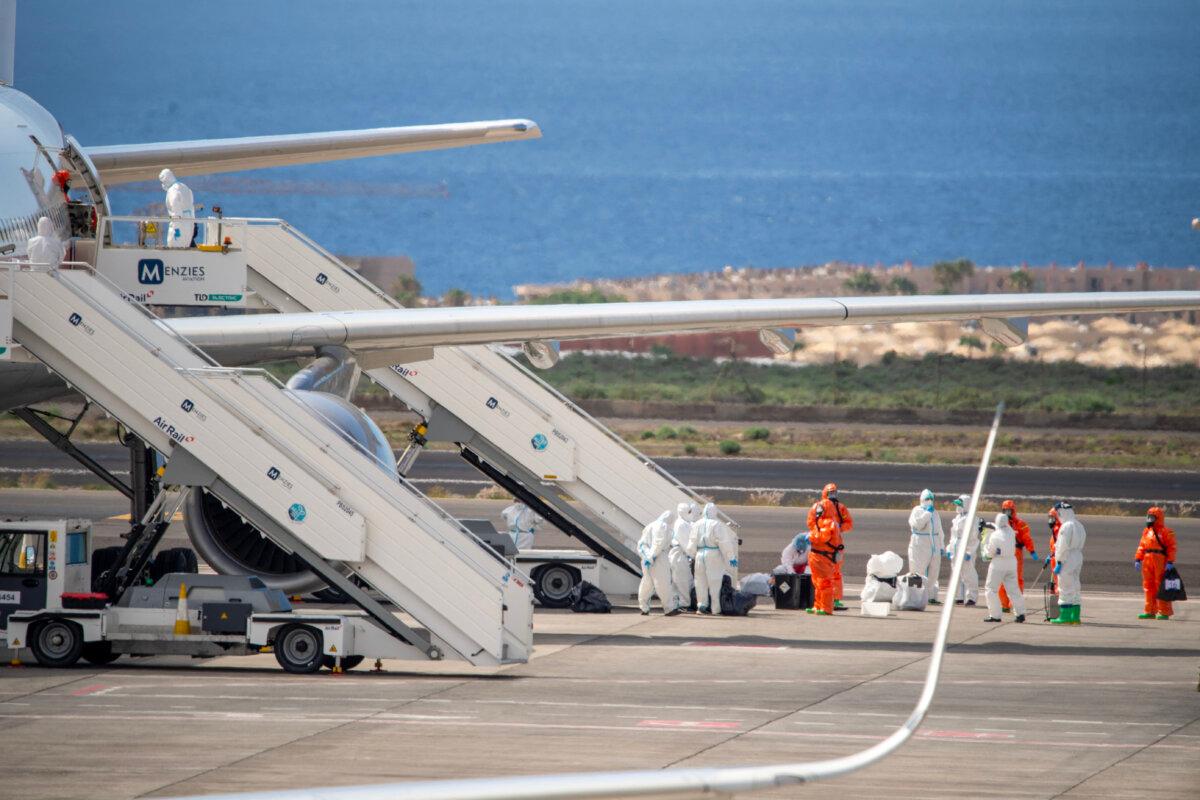
All the cruise ship passengers who disembarked before the virus was detected have been tracked down, Tedros said on May 12. Various countries have differing measures that they are implementing for these and others who were on board the vessel.
“We would expect more cases,” Tedros said at one point in the briefing, in part because of the period of time between when people started showing symptoms of the hantavirus and the implementation of infectious disease prevention techniques on the ship.
He had said at a separate briefing on Monday in Tenerife that people living in countries receiving passengers had “nothing to fear.”
“The risk is low. This is not another COVID,” he said. “And I hope you will continue to show your compassion and solidarity to your citizens and help them to integrate, of course, after the 42 days of isolation.”