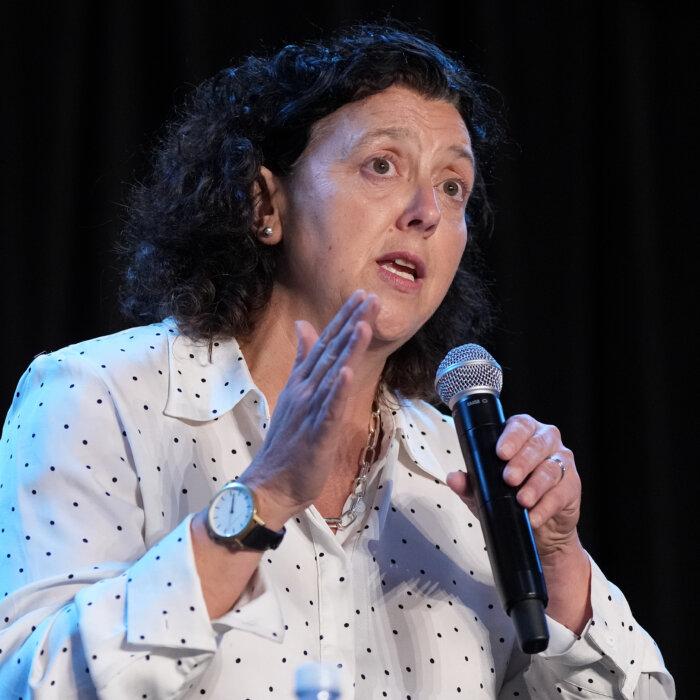
Senior tax specialist Jane Agirtan warns the impending tax on higher retirement funds in Australia could penalise those who have worked hardest to build their nest eggs.
A councillor for the City of Kingston, Agirtan said one of her clients had bought shares in the 1980s and 90s in major companies like BHP and the Commonwealth Bank.
“Because he’s a single man, doesn’t drink and gamble. He made maximum contributions every year,” she told The Epoch Times. “And now his portfolio is over $3 million. He still works a regular job.”
Agirtan warned Labor’s superannuation tax increase on portfolios over $3 million would impact inheritances too.
“I grew up in a communist country. For me, I can sense where it’s all headed,” Agirtan cautioned.

The move is set to be voted on when Parliament resumes with Labor only needing the support of the Greens to pass the Senate.
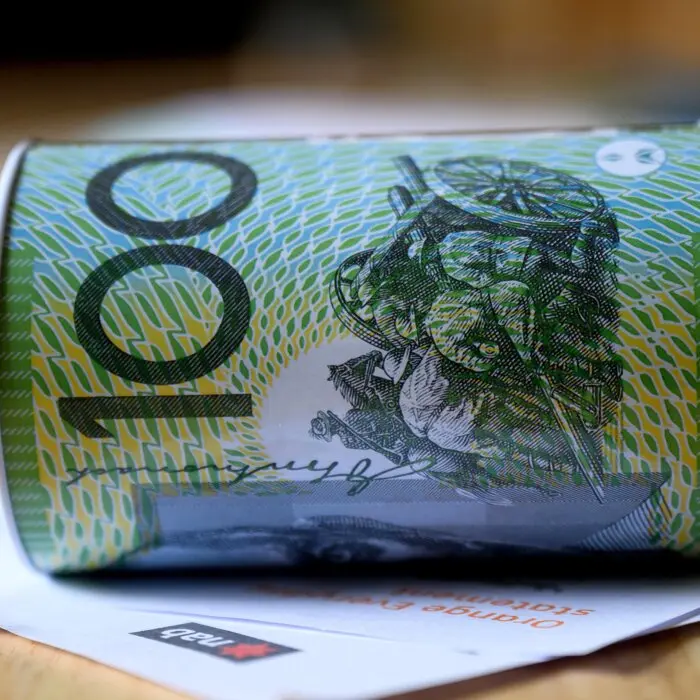
Under the proposal, the concessional tax rate on superannuation funds would be increased from 15 percent to 30 percent for super balances above $3 million.
In Australia, it is compulsory—unlike in America—for employers to pay a portion of staff salaries into a “super” fund, which can then be accessed upon the staff member’s retirement.
Traditionally, the tax rate on super contributions was lowered to encourage workers to voluntarily place more of their money into a fund.
However, the recent change comes as the federal government grapples with reducing its spending obligations (including paying off a portion of tertiary student debt), a fast-growing welfare state, and deepening debt.
Newly-appointed Shadow Finance Minister James Paterson highlighted ongoing concerns with another measure in the super change: taxing “unrealised capital gains.”
This means fund owners will have to pay tax on the “unrealised” paper value of assets in a fund, instead of when the assets are sold.
“Unless the government was willing to walk away from the two key principles in this bill, which is taxing unrealised gains and failing to index the threshold, then there’s no conceivable world in which we could support it,” Paterson told Sky News Australia.
“We’re going to fight this every step of the way because we think it’s wrong in principle.”
The Albanese Labor government and supporters of the tax maintain it will only impact about 80,000 people.
Treasurer Jim Chalmers has also dismissed concerns about taxing unrealised capital gains.
“We haven’t changed our policy on that. I know that’s been a focus of some of the commentary since the election. I don’t think it’s particularly newsworthy that we haven’t changed our policy on that,” he told Sky News Australia.

“We’ve made it clear that it’s a very modest change—it only affects half a percent of people with balances over $3 million.
“It’s still concessional tax treatment—just a little bit less concessional. And it’s an important way that we fund some of our other priorities, including strengthening Medicare, or providing income tax cuts, helping with the cost of living and building more homes.”
Chalmers also said the tax would not be indexed to counter inflation, saying it would be closely monitored by future federal governments.
“There are a number of areas in our tax system where thresholds aren’t indexed,” he said.
“They’re changed from time to time by governments, and I would expect that to be the case again. It would be a strange assumption to assume that in the next 30 or 40 years, nobody ever changes the threshold.”
But Agirtan says the value of some asset classes held by regular Australians will likely push many past the $3 million threshold.
“If you’re in your 20s and you work a regular job, by the time you retire, you’ll cop that tax [because it will not be indexed],” she said.
“When the demand for lithium in electric vehicles goes up, a portfolio of penny stocks may be worth millions ... You can go from penny stocks to being an overnight millionaire.”
“It could go all the way up to people’s family homes. A lot of people see it as a gateway tax,” she said.
“And what people are going to do, they’re going to get advice. They’re going to divest and avoid paying their tax, or pass it onto tenants.”