New Zealand is to spend just over $50 million (US$28.2 million) on a multi-pronged approach to reducing the use and availability of methamphetamine, involving strengthening border security and maritime operations while also boosting addiction services.
Use of the drug—either imported directly or made in the country from precursor chemicals, usually obtained from China—has rocketed in recent times.
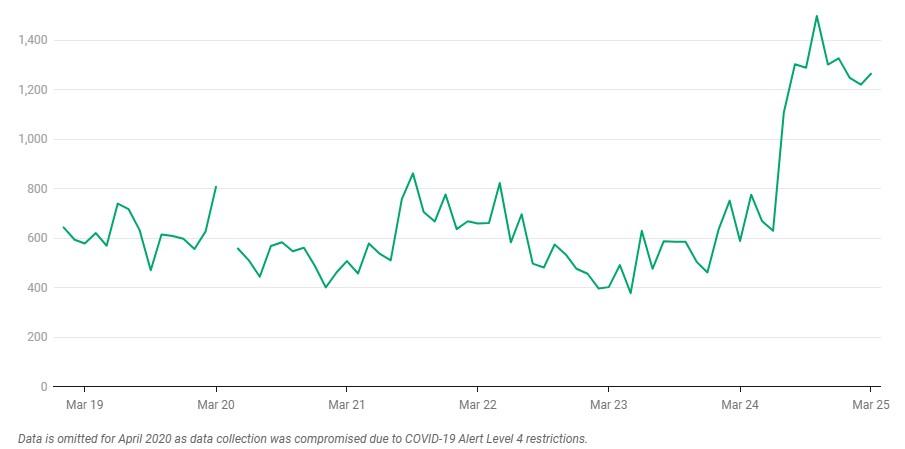
Wastewater testing indicated a doubling of methamphetamine consumption from 732 kilograms in 2023 to 1,434 kilograms in 2024. There has also been an increase of 266 percent in the weight of the drug seized in New Zealand and offshore over the past five years.
In 2024, the estimated social harm cost to New Zealand was $1.5 billion.
Frequency of use is also increasing, with the 2024 NZ Drug Trends Survey finding that 29 percent of people who used methamphetamine in the past six months reported using it daily or near daily, up from 19 percent in 2022/23.


“Consumption doubled last year, and ultimately, increased meth use fuels organised crime and destroys lives.
Increased Resources
A total of $30 million has been allocated over four years to increase the services available to communities hardest hit by meth.Another $23.1 million is to be spent on establishing new offshore liaison positions and increasing collaboration with international partners, focused on disrupting and preventing drug exports to New Zealand and the Pacific at their source.
Police will receive an additional money-laundering team to increase their ability to disrupt organised crime groups, and will gain increased powers to intercept communications and search evidence stored electronically.
Officials will consult the maritime sector on proposals to strengthen border security and eliminate opportunities for criminal organisations to operate through New Zealand ports, with customs, the Government Communications Security Bureau, and the Defence Force conducting a series of maritime operations.
Funding for the Resilience to Organised Crime in Communities work programme—a community-led response to the harms of methamphetamines and the drivers of organised crime—has been extended until December next year.
There will also be a four-year media campaign to raise public awareness about methamphetamine-related harm, funded from the proceeds of crime fund.
Initiative Welcomed
New Zealand Drug Foundation Executive Director Sarah Helm welcomed the funding for health-based interventions.“It’s clear to everyone that we can’t arrest our way out of this issue. Spending on treatment and harm reduction is also a better investment of taxpayer money than criminalising people, because it results in savings downstream in health, justice and social costs.
“People need to be able to access help immediately when they are ready, because when someone has to wait, the window of opportunity quickly closes.”
She said stigma and fear of criminalisation mean it can take up to 10 years before a meth user asks for help.
“So, to be effective, the announced nationwide campaign will need to focus on destigmatising and promoting help-seeking. The communities experiencing the worst methamphetamine harms already know the negative impact it is having,” Helm said.
“Methamphetamine is certainly an important issue, but it’s a subset of the bigger organised crime issue,” he said.
While enforcement action at all levels of the supply chain was important, any effective action would involve addressing the social issue of “how many New Zealanders are willing to consume these drugs.”