The New Zealand government has given police new move-on powers to deal with anti-social behaviours in city centres—particularly in Auckland.
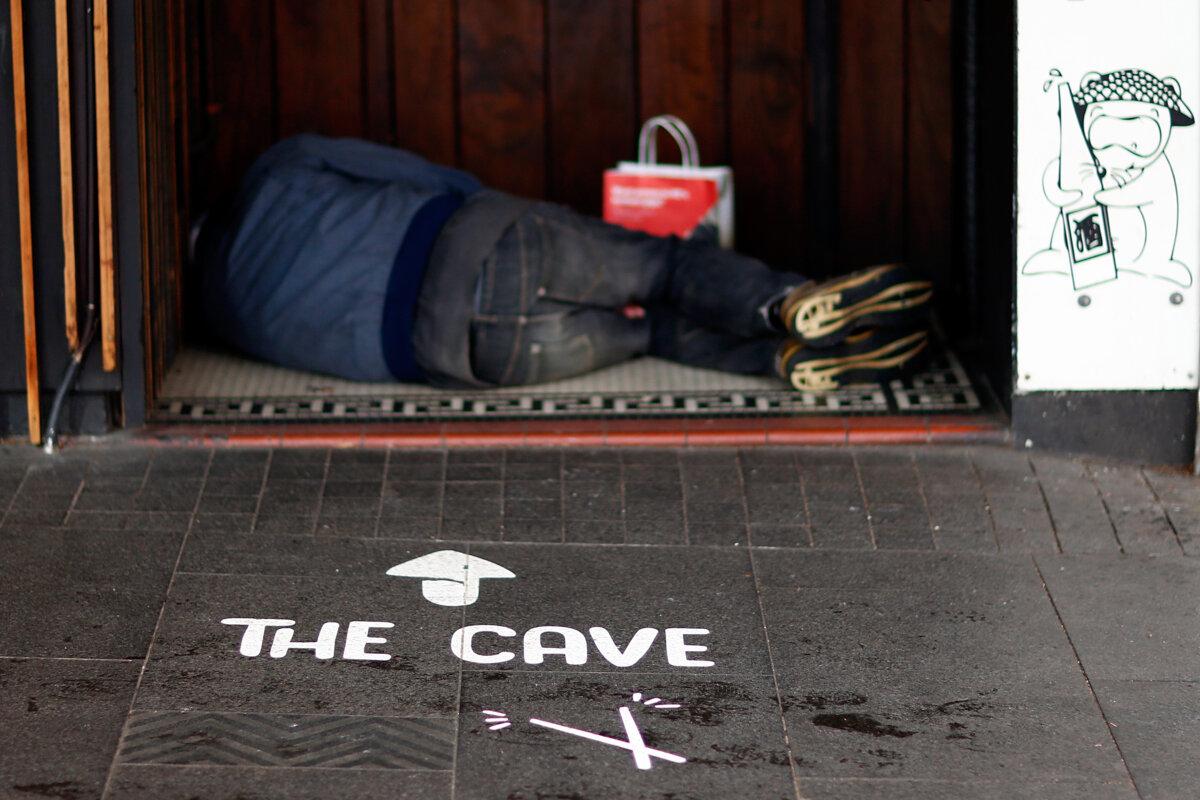
However, advocates fear the powers will be used primarily to drive homeless people into the suburbs where they will be unable to access support and will become an issue for home owners.
Similar to those in use in Australian states and territories, the orders will permit police to require someone to leave a specified area for up to 24 hours.
“Move-on orders give the police an important tool to address antisocial behaviour that makes people feel unsafe,” he said. “When people are intimidating others, blocking doorways, or engaging in threatening behaviour, the police need the ability to act.”
Work Underway on Homelessness
Work was being done to address homelessness, Brown said, with 146 people placed in housing by the end of January, up from 33 when the government’s housing initiative was announced in November 2025.

“Our approach balances support with accountability. We’re helping those who need housing and mental health services, while taking firm action against behaviour that intimidates others,” he said.
But critics pointed to the fact that the new powers would extend to every city centre, and apply to people as young as 14, with police being responsible for deciding what, if any, support a person may need.
“Our main streets and town centres have been blighted by disruption and disturbance. Businesses are declining as some bad behaviour goes unchecked. It needs to stop,” he said.
“Currently, police officers have limited options to respond, particularly when it doesn’t reach the level of offending. It means many disruptive, distressing, and potentially harmful acts can occur before officers have any means of intervention. It doesn’t make sense.”
Fixing this hole in the law would help in “building a future where shoppers, visitors, residents and their families can feel safe in our communities,” Goldsmith added.
Retailers Welcome Move, With Reservations
Retail NZ welcomed the move, saying it “may provide relief from individuals who are continuing to display antisocial behaviours.”Nonetheless, the peak body expressed caution about the policy’s long-term effectiveness, noting that the move-on order would apply for only 24 hours and require police attendance to be enforced.
These concerns have long bothered critics of the proposal.
The group directly attributed the increase to government policies such as funding cuts to public and emergency housing programs.
“Criminalising homeless people is ineffective,” CPAG said.
Criticisms from Opposition
Labour’s Auckland spokesperson, Carmel Sepuloni, was critical of the lack of support for the homeless.“Slapping fines or threatening prison time on those who can’t afford a safe place to sleep or something to eat is disgraceful.”
“The government implied that homeless people are criminals or are somehow not upholding law and order,” Paul said. “Just remember that when they say they need to move homeless people on to make cities or businesses safer, that homeless people are actually the group who are the most unsafe or at risk themselves.”