New Zealand, together with eight Pacific Island nations, have failed to stop human trafficking according to the latest data from the U.S. State Department.
The 2025 Trafficking in Persons (TIP) Report defines human trafficking broadly as sex trafficking and forced labour, and ranks countries into four tiers based on how well they are implementing measures to combat it.
While Australia is among the Tier 1 countries—along with 32 others, including America, the UK, Canada, and Taiwan—New Zealand is ranked as Tier 2, along with the Marshall Islands, the Federated States of Micronesia, Palau, and Tonga. That puts them alongside countries such as Angola, Bangladesh, and Bosnia and Herzegovina.
Even worse performers in the region are Fiji, the Solomon Islands, and Vanuatu, who have been placed on the Tier 2 watchlist with countries that include Algeria, Barbados, Kyrgyzstan, Nepal, Rwanda, South Africa, Turkmenistan, and Zimbabwe.
New Zealand Needs to Ramp Up Investigations
The report outlines a comprehensive list of 11 policies and actions that New Zealand needs to implement to enhance its anti-trafficking performance, including increasing investigative efforts, improving access to services for victims, and providing additional support to NGOs operating in the field.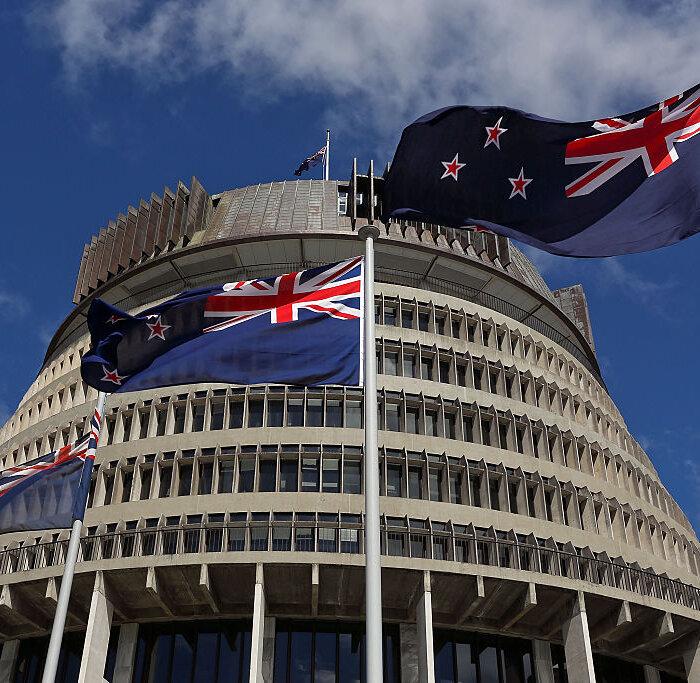
Although there were no trafficking convictions in New Zealand during the period covered by the report, the State Department says, “In 2024, the government reported it cooperated with foreign counterparts in six investigations and an INTERPOL operation, all of which focused on multiple crimes, including trafficking.”
However, “officials struggled to identify trafficking in cases involving exploited migrant workers who entered New Zealand legally.”
The New Zealand Police had identified 26 trafficking victims in 2024, while the Ministry responsible for immigration and workplace regulation, MBIE, identified 17, though some victims may have been included in both data sets.
This compares with officials identifying 16 total trafficking victims between April 2023 and March 2024.
Room For Improvement in Australia’s Efforts
Despite achieving a Tier 1 rating, Australia is also subject to 13 recommendations for improvement.These include increasing the availability and quality of protection services such as short-term shelters, long-term housing, financial assistance, legal assistance, counselling, and medical care, and “vigorously” investigating and prosecuting trafficking crimes, including increased efforts to “investigate and hold accountable foreign diplomats posted in Australia suspected of complicity in trafficking.”
Access to support should be “decoupled” from participation in the criminal justice process, and Australia should establish a national compensation scheme for victims, the State Department says.
The government should also investigate and prosecute labour trafficking under anti-trafficking laws rather than as labour or employment violations.
In 2024, Australian authorities initiated 200 investigations: 84 for sex trafficking, 80 for labour trafficking, 25 for unspecified forms of exploitation, and 11 for extraterritorial commercial child sexual exploitation and abuse. That compares with initiating 123 investigations in 2023.
Sixty-six alleged traffickers were prosecuted: 51 for sex trafficking, four for forced labour, and 11 for child sexual exploitation overseas, compared with 14 people in 2023.
Highest Number of Recorded Victims
Governments that completely ignore the Act’s standards fall into Tier 3, which is where Papua New Guinea is ranked, along with countries such as Afghanistan, Cambodia, China, Cuba, Iran, Nicaragua, Russia, Syria, and Venezuela.Despite the best efforts of many governments, the report recorded the highest-ever numbers of victims identified worldwide last year.
In some countries, officials are complicit in, or benefit from, trafficking.
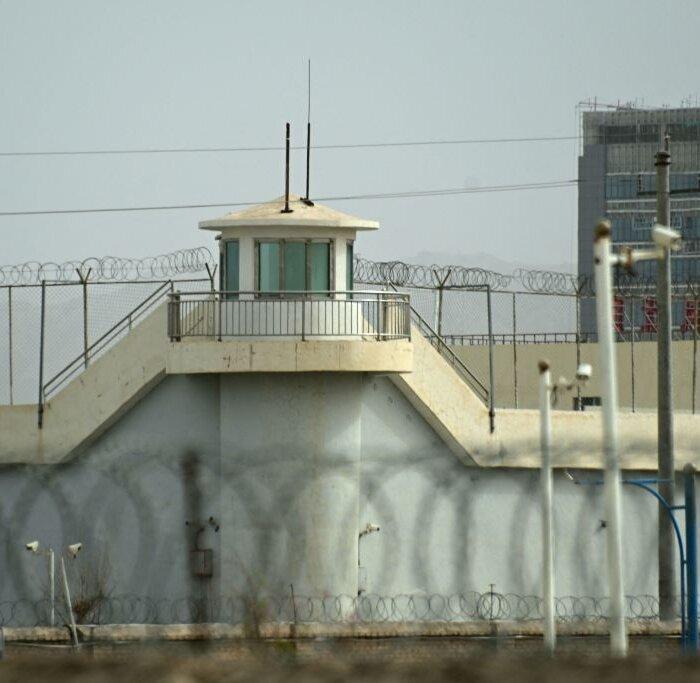
The report says the Chinese Communist Party (CCP) is “exploiting Uyghurs, ethnic Kazakhs, ethnic Kyrgyz, and members of other ethnic and religious minority groups in Xinjiang through a government policy or pattern of widespread forced labour, including through mass arbitrary detentions.”
“Russian-led forces also unlawfully conscript or force many Ukrainians in Russian-occupied territories in Ukraine, including those in detention, to fight against their own country or engage in other labour, such as to clear rubble and dispose of corpses,” it says.
The 2025 TIP Report also lists 13 countries with a “documented policy or pattern” of human trafficking, trafficking in government-funded programmes, forced labour in government-affiliated medical services or other sectors, sexual slavery in government camps, or the employment or recruitment of child soldiers. They are Afghanistan, Belarus, Burma, Cambodia, China, Cuba, Eritrea, Iran, North Korea, Russia, South Sudan, Sudan, and Syria.
The Department of State prepared the report using information collected from U.S. embassies, government officials, non-governmental and international organisations, published reports, news articles, academic studies, and consultations with authorities.