After weeks of chaos over failed triple zero calls, the Albanese government has moved to restore public trust, introducing new laws to tighten control over Australia’s emergency call system.
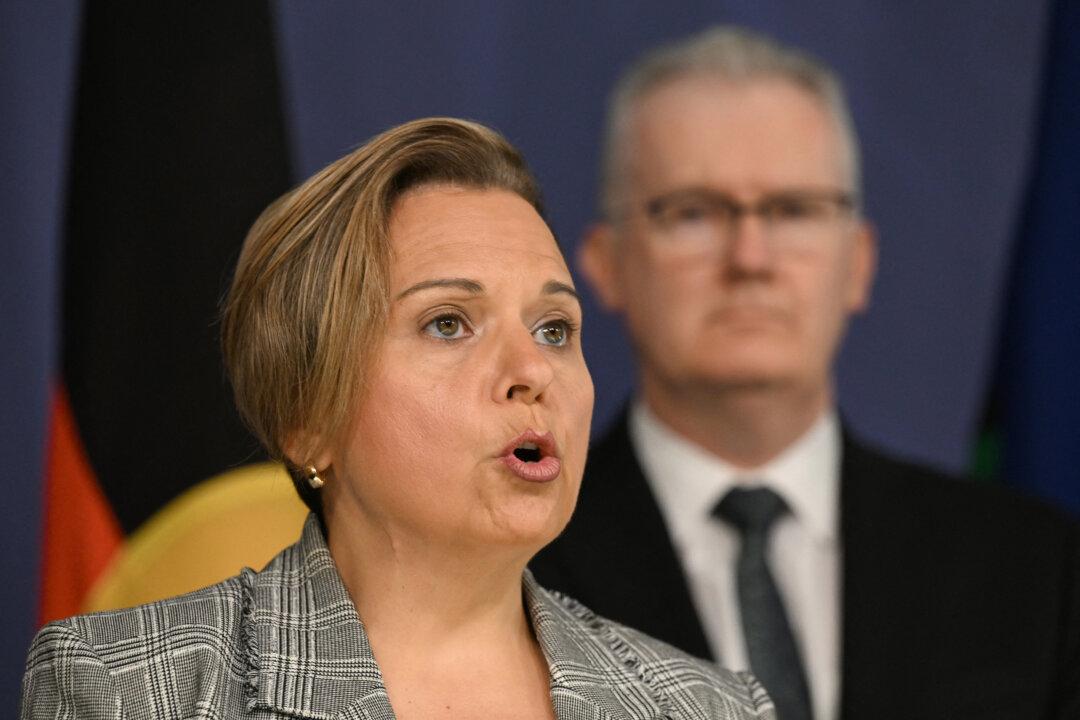
Communications Minister Anika Wells on Oct. 7 unveiled the Telecommunications Legislative Amendment (Triple Zero Custodian and Emergency Calling Powers) Bill 2025, designed to strengthen the reliability, transparency, and oversight of the network.
The bill places the Triple Zero Custodian on a permanent statutory footing, giving the Australian Communications and Media Authority (ACMA) expanded powers to monitor, investigate, and direct telecommunications carriers to prevent system failures.
“From the first of November, telecommunications carriers will have to provide real-time reporting of outages to ACMA and to emergency services. They will also have to test triple zero during upgrades and maintenance and ensure calls fall back to other networks if needed,” Wells told Parliament.
Every six months, ACMA will report to the minister on how its new powers are being used.
Lessons from Recent Outages
The reforms follow a series of major breakdowns, most notably a firewall upgrade on Sept. 18 that caused about 600 triple zero calls to fail nationwide, an outage linked to three deaths.
Days later, another disruption in New South Wales again blocked a dozen emergency calls.
“Australians should trust when they call triple zero, someone will answer and help will come,” Wells said.
“But repeated failures by Optus in recent years, through which thousands of emergency calls failed to connect and lives were lost, has compromised that trust.”
She warned that any carrier responsible for service failures would face significant consequences, adding, “There is no excuse.”
Real-Time Reporting
From Nov. 1, all carriers must immediately notify ACMA and emergency services of outages affecting triple zero. They will also be required to conduct testing during maintenance and ensure automatic call redirection to alternate networks during disruptions.
Wells said she met with the CEOs of Optus, Telstra, and TPG Vodafone to underline these expectations ahead of the upcoming disaster season.
“There are no excuses, and I made that crystal clear today,” she said.
The legislation also introduces a formal framework for sharing information between ACMA, the custodian, and emergency service organisations, allowing issues to be identified and fixed before they escalate.
Legal Framework and Accountability
The new law gives the Triple Zero Custodian real authority for the first time. Schedule One of the bill amends the Telecommunications (Consumer Protection and Service Standards) Act 1999, formally empowering the custodian to issue directions to phone companies and demand key operational data when outages occur.
This means that if there’s a problem affecting triple zero calls, the custodian and the ACMA can step in quickly—ordering telcos to share technical details, explain what went wrong, and outline how they plan to fix it.
If companies fail to comply, ACMA will have the power to impose civil penalties, ensuring stronger accountability and faster responses.
The bill also sets clear investigative procedures so that ACMA can act without delay or confusion during an emergency.
While the custodian’s powers don’t extend directly to state and territory emergency services, Wells said collaboration across all levels of government would be critical to making the system work.
“Carriers must always make sure that triple zero calls still connect by being redirected to alternate mobile towers or infrastructure,” she said.
Building a More Reliable System
The Triple Zero Custodian was first established in March 2024 following an independent review that found systemic gaps in accountability and coordination across the telecommunications sector.
Since then, the custodian has worked with ACMA, telcos, and the Telecommunications Industry Ombudsman to identify weaknesses in the system and improve resilience.
“This bill acts on the lessons of past service disruptions by establishing into law the powers and functions of the triple zero custodian,” Wells said. “It gives the Commonwealth a permanent mechanism to oversee emergency call services—both during outages and in everyday operations.”