French ministers and the leaders of New Caledonia’s loyalist and separatist groups have announced an agreement which should put an end to violent clashes in the island territory. It will also end the hope of independence leaders for nationhood.
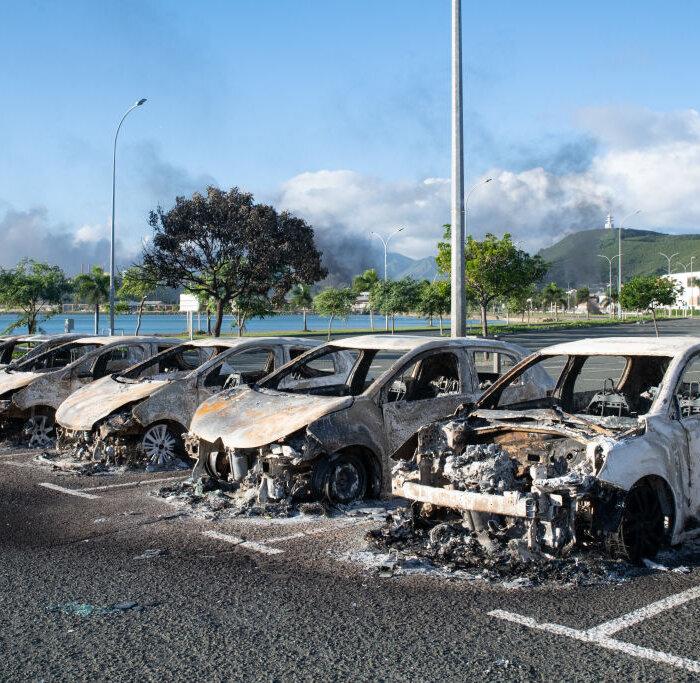
After fighting broke out in the French territory over independence in May last year, France sent around 500 additional police officers to reinforce the 1,800 usually present on the island, and deployed soldiers to protect the main port and airport.
By the time the violence was quelled, 14 people were dead.
There were also reports of kidnappings, and several businesses were razed by fire.
The disruption is estimated to have cost the territory €2 billion (US$2.3 billion), or 10 percent of its gross domestic product (GDP).
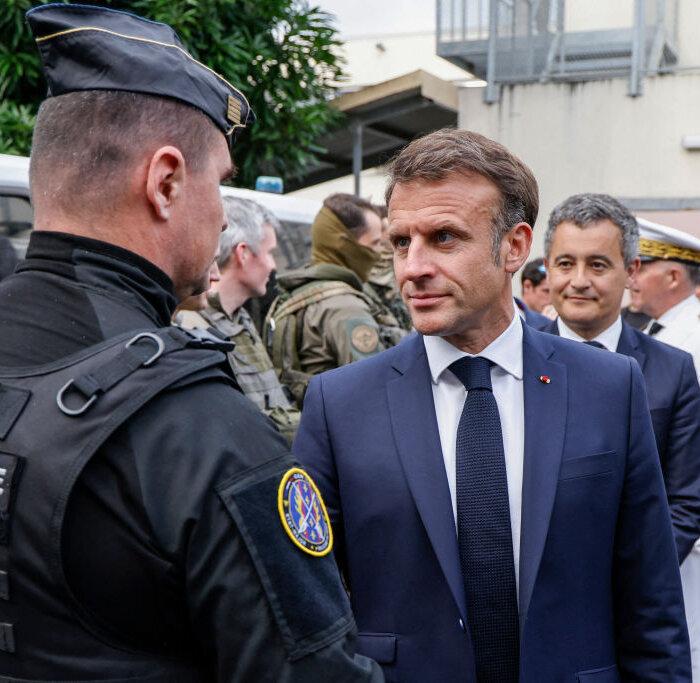
But the crisis appears to have been averted after ten days of talks in Paris culminating in an announcement this weekend that a “State of New Caledonia” will be created.
However, it is still subject to approval by the French Parliament and a referendum of the territory’s population.
If it passes, other countries would be free to recognise New Caledonia as they do other countries.
The 13-page accord also grants New Caledonians their own nationality, with the possibility that it could be combined with French nationality if people wished.
But it fails to provide the full independence sought by many indigenous Kanaks, who make up about 40 percent of the territory’s population of nearly 300,000.
Previous referenda on the issue of independence have come out in favour of retaining ties to France due to the Kanak’s minority and contentious voting laws.
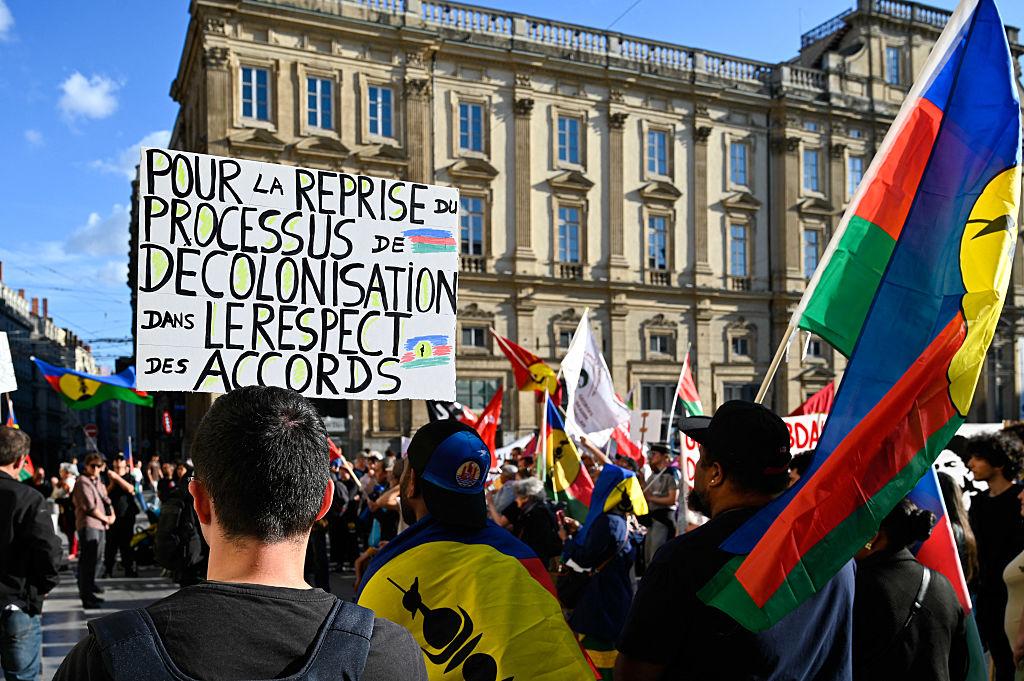
Under the proposal, New Caledonia would immediately gain control of its foreign policy and could put the transfer of additional sovereign powers over defence, currency, security, and justice to a public vote, potentially paving the way to becoming a member state of the U.N., according to French newspaper Le Monde.
Loyalists Pleased
French loyalists were pleased with the outcome.New Caledonia’s “status within France” meant “Caledonians ... will remain French,” said Nicolas Metzdorf, an anti-independence deputy.
“No more referendums are planned, with the exception of the one confirming this agreement.”
Emmanuel Tjibaou, a Kanak lawmaker who took part in the talks, said the accord will help people “get out of the spiral of violence.”
Acknowledging there was still a “difficult path” ahead, he said it was nevertheless one that would allow Kanaks and other Caledonians to move forward together as “us” instead of divided into factions.
Russia is believed to be working through Azerbaijan—which has its own dispute with France—to destabilise the territory by fuelling the separatist movement.
Meanwhile, communist China views New Caledonia as a strategically valuable site given its position 1,210 kilometres (750 miles) east of Australia, and 1,402 kilometres (871 miles) north of New Zealand—closer to both Western nations than Tomga, Samoa or Fiji.
Its status as the world’s third-largest producer of nickel—a mineral vital to everything from the production of stainless steel to rechargeable batteries for electric vehicles—also makes it an attractive ally for a nation intent on dominating the supply of metals and rare earth elements necessary for a wide range of future technologies.