New Brunswick has limited access to all public wooded areas, saying the measure is needed to decrease the risk of wildfires igniting.
All Crown land was closed to the public as of 12:01 a.m. on Aug. 10. That means activities such as fishing, camping, or hiking are prohibited, and vehicles are not permitted in the woods. Trail systems are also closed, and camping is restricted to designated campgrounds.
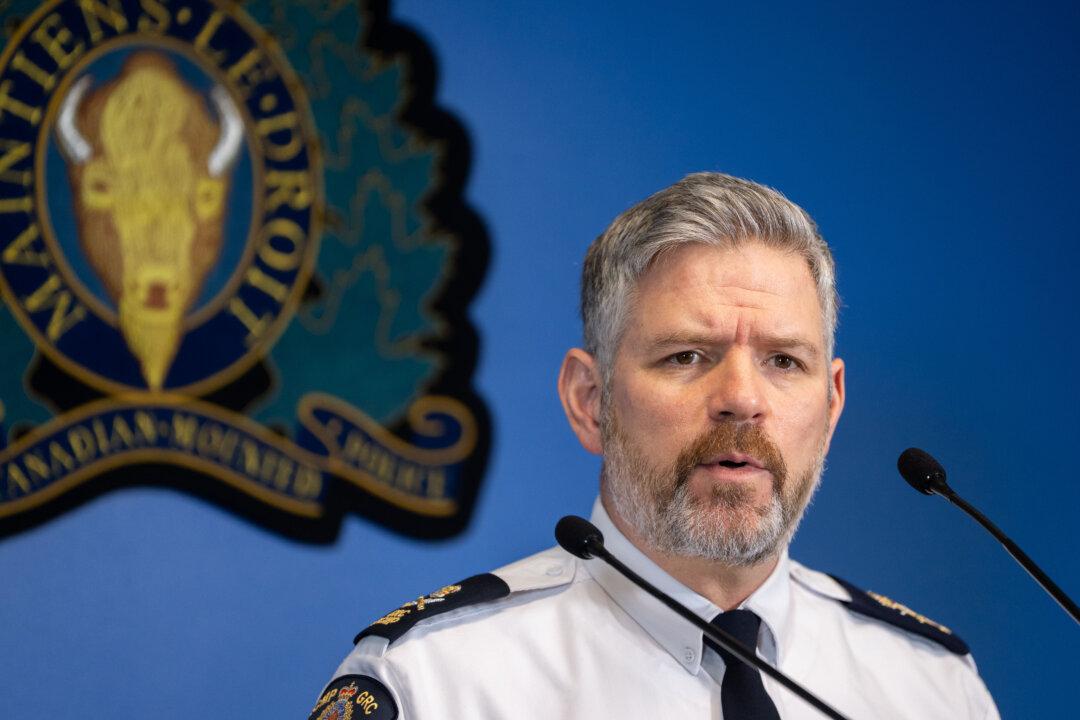
Premier Susan Holt made the announcement during a weekend press conference, saying the province is in a “precarious” position as it struggles to deal with wildfires while also looking for ways to prevent more from starting as “exceptionally” dry conditions continue.
She acknowledged that the ban could be frustrating for many New Brunswickers. She asked residents to respect it regardless, even if it means finding alternative areas to walk their dogs or pursue other outdoor activities.
“If those woods become a forest fire, then you are now at risk and your dog is now at risk, and that puts extra burden on our firefighters, so we’re asking you to choose to keep our firefighters safe and to keep our province safe,” she said. “We need to allow our teams to do what they’re doing now and not strain our resources further.”
The move follows closely on the heels of neighbouring province Nova Scotia’s decision to implement a similar ban, but with a steep fine for violators.
Nova Scotia Premier Tim Houston announced last week a $25,000 fine for anyone who violates the restrictions on activities in forested areas across the province.
“We know that New Brunswickers want to protect our woods and forests and want to make sure that they are there for generations to come to enjoy,” she said. “Should that change, then we will revisit the question of fines.”
Pushback on Bans
The far-reaching ban on outdoor activities has sparked criticism from some civil liberties groups, who say it amounts to government overreach and brings up “constitutional concerns.”The Canadian Constitution Foundation (CCF) counsel Josh Dehaas criticized the measures being taken by New Brunswick, saying that the province doesn’t have the authority to put such a ban in place.
Houston said last week that hiking, camping, fishing, mining, forestry, and other outdoor activities would be prohibited in forested regions of Nova Scotia until at least October and anyone who violates these restrictions would be subject to a $25,000 fine.
Access to beaches and parks is still permitted, but trail systems are not open, and private landowners are restricted from hosting guests on wooded properties.
“He says this is needed to prevent wildfires. But it is a severe overreach,” the petition said. “We urge Nova Scotia Premier Tim Houston to rescind this ban and implement targeted measures that protect our forests while respecting the rights of responsible nature lovers.”
The Justice Centre for Constitutional Freedoms (JCCF) has called Nova Scotia’s new restrictions “anti-human” and is vowing to support anyone who finds themselves “on the wrong end” of a $25,000 fine for going into the woods.
JCCF constitutional litigator Marty Moore said the provincial order brings up “constitutional concerns.”
Moore said he and his legal team are prepared to launch a constitutional challenge and a judicial review of the order if any residents are fined unjustly.
Ontario MP Leslyn Lewis has also voiced concern about the band put in place by both provinces. The Conservative representative for Haldimand-Norfolk said such laws disproportionately impact rural residents.
“While the government says this is to prevent forest fires, the approach has left many feeling discouraged, disconnected, and wondering if there’s a bigger purpose at play.”
New Brunswick Natural Resources Minister John Herron said during the weekend press conference that the measures his province has put in place are also about prevention.
NB Wildfire Battle
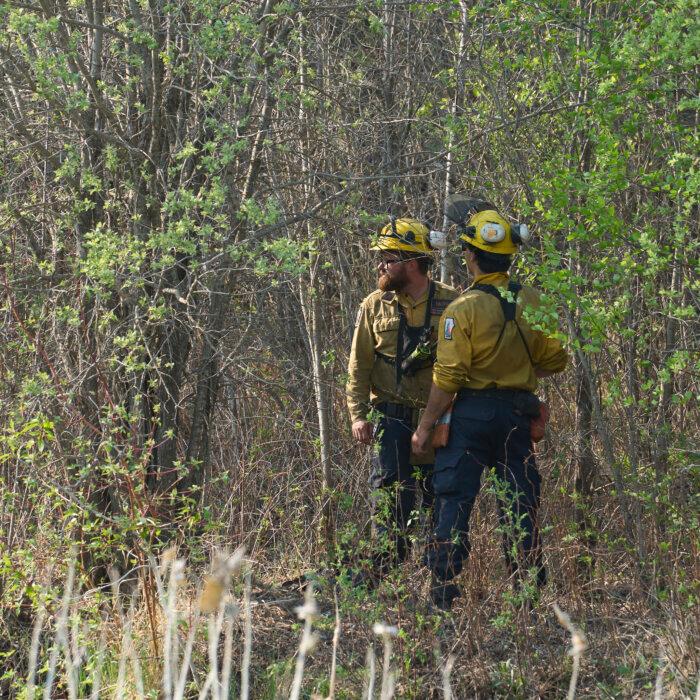
There were seven active wildfires in New Brunswick this past weekend, including one in Miramichi that the province has classified as out of control, officials said. Five were being patrolled and one was under control.The province currently has a fleet of air tankers and two skimmer planes from Quebec in action that can land on and scoop water from lakes or other bodies of water to drop on wildfires, officials said. But rain is also needed to help quell the fires.
Wildfire science officer Danny Goddard said the province is in a long-term drying trend, which means lower humidity and high temperatures will continue into the end of next week.