Mining billionaire Gina Rinehart has told the 2025 Bush Summit that the government’s net zero policy is destroying Australia’s living standards and the Paris Accord is something Australians “simply cannot afford.”
Aside from Hancock Prospecting, Rinehart also owns 25 properties that run more than 340,000 cattle, making her company Australia’s second-largest beef producer.
“As we speed up climate change, there'll be worse to come. Australia still being in the Paris Accord will saddle them with net zero restrictions, paperwork, and huge expense.”
Agriculture Faces Multiple Issues
The Albanese government has heavily invested in wind and solar energy as it aims to reach net zero by 2050.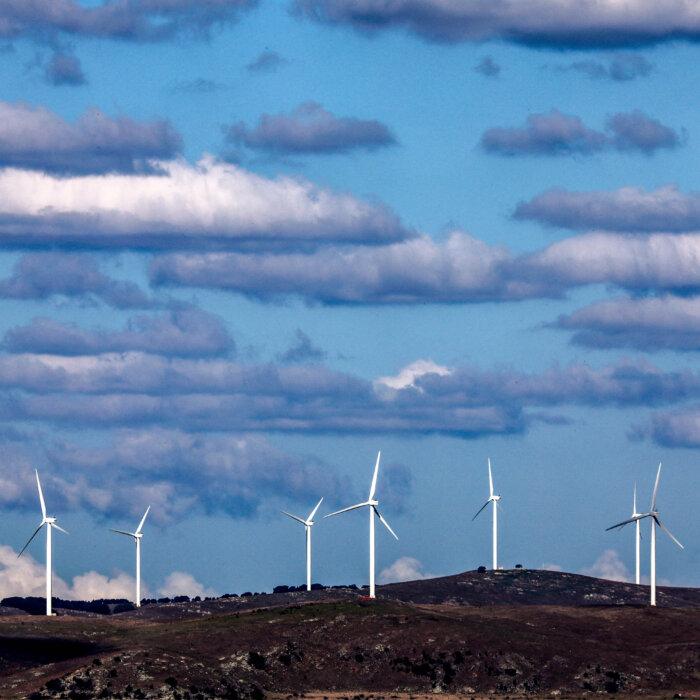
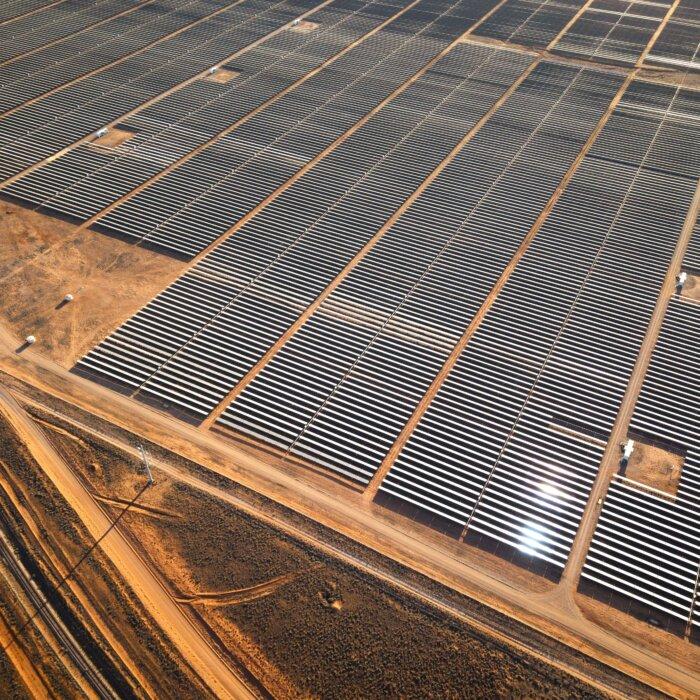
However, Rinehart says countries that increase green electricity “in reality, all end up with higher electricity costs, albeit some costs may be hidden by taxpayer subsidies. This leads to the deindustrialisation of our country, meaning job losses, stress and no doubt having to raise taxes to be able to pay for extra welfare payments.”
“[Farmers] already have more than enough to worry about, with devastating droughts, floods, fires, jail and fines if [they] clear land to make their family, staff and investment safe, rising taxes, poor health facilities in country areas ... and more,” she said.
“They don’t need to have the added expense of complying [with] net zero emission reductions. Some of the farm equipment they need to use doesn’t even exist in electric form. How can such a path assure Australians that we will be able to enjoy top-quality Australian agriculture in the future?”
Farmers and miners are unhappy with the federal and state governments allocating large areas of regional Australia to promoters of renewable energy projects, despite a string of setbacks, most notably in the green hydrogen sector.
“It’s not even assured that the renewable electricity harming their farms and lives will even reach the farmers, so they'd face the net-zero ramifications of their fossil-fuelled electricity and essential machinery without that offset,” Rinehart said.
“Loans to farmers already struggling with high debt are not the right answer; dealing first with these government-caused problems is.
She said farmers were already trying to get by on low profit margins and are often burdened by debt.
“If you add net zero cost and tape burdens, buying equipment that doesn’t exist, unreliable, inadequate more expensive electricity, inflating costs overall, how can our farmers survive?” she asked.
A short-term solution could be to increase the sale cost of their produce, “but then many Australians will be forced to buy inferior products from overseas, where net zero isn’t a burden ... like here in Australia, while our own delicious agriculture industry sadly shrivels up.”
“Farming is an essential industry. Farm produce, minus possibly tobacco, alcohol, and sugar, is essential to all Australians,” Rinehart said.
Hancock Prospecting sponsors the annual Bush Summit.