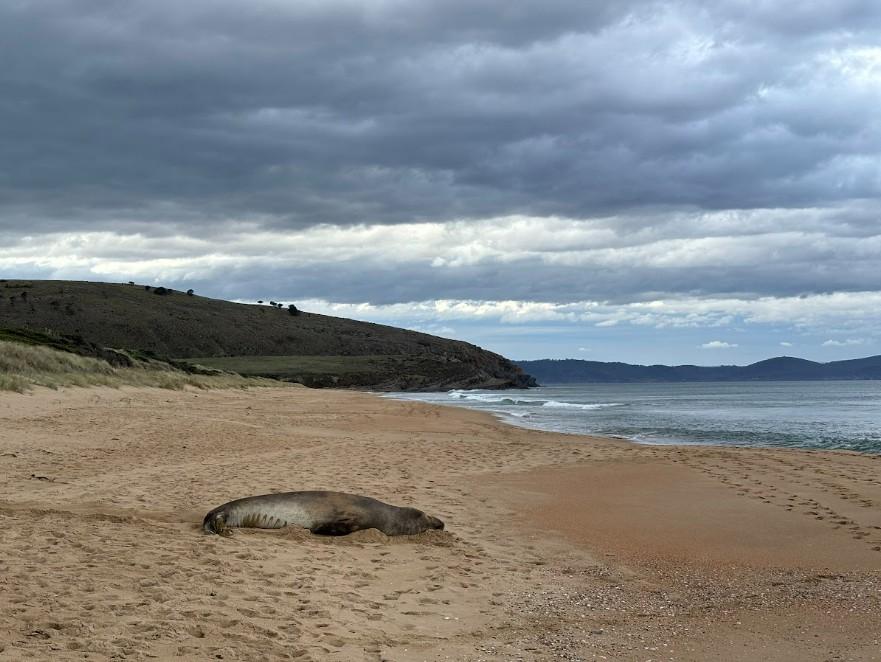
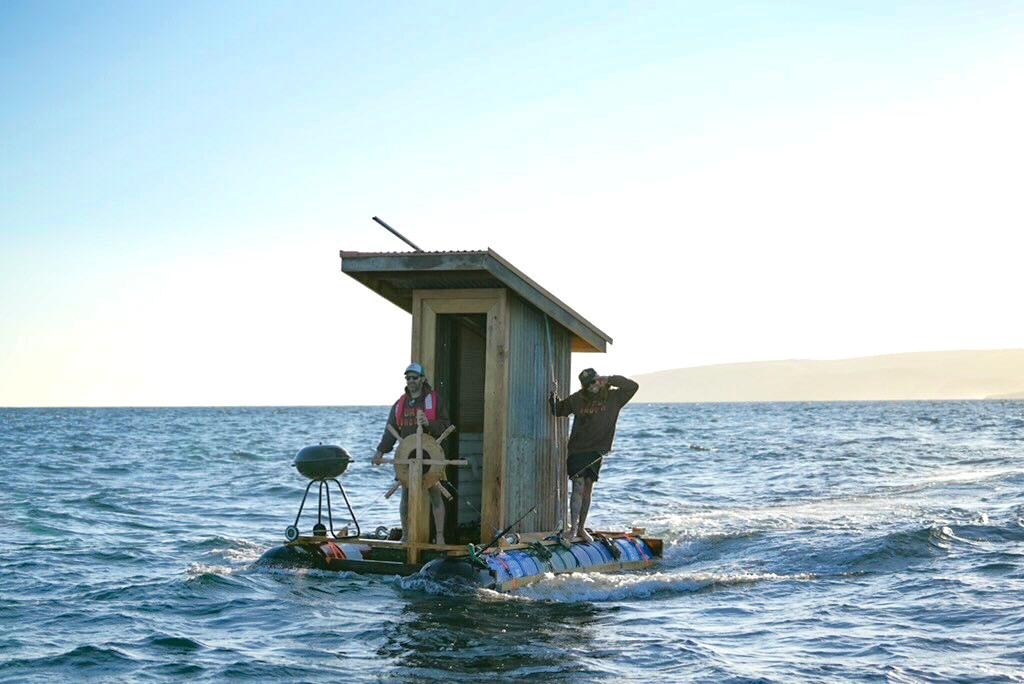
As the beloved “Neil” the seal makes his return back to the deep blue sea, one marine ecologist says the one-tonne mammal will likely be a return visitor to Tasmanian shores.
On July 8, after weeks of endearing himself to locals and global fans, Tasmania’s environment secretary confirmed that Neil had returned to water after finishing up his moulting season.
“This is his natural behaviour and was expected,” said Jason Jacobi, secretary of the Department of Environment, in a statement to The Epoch Times.
“Neil may return or haul out at another location.”
Neil Will Return and Mature: Scientist
Neil became a viral sensation with fans creating T-shirts, baked cakes, and even inking themselves with his image.Scientist Clive McMahon of the University of Tasmania said the southern elephant seal would likely return.
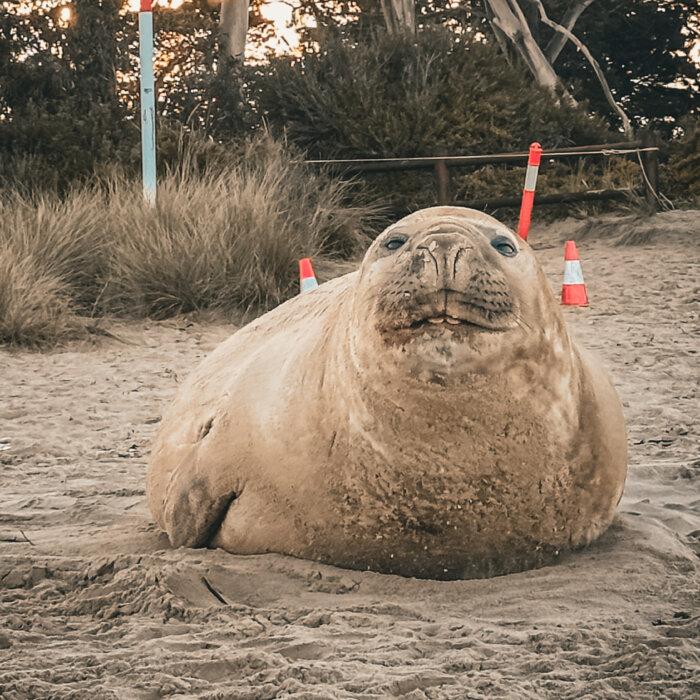
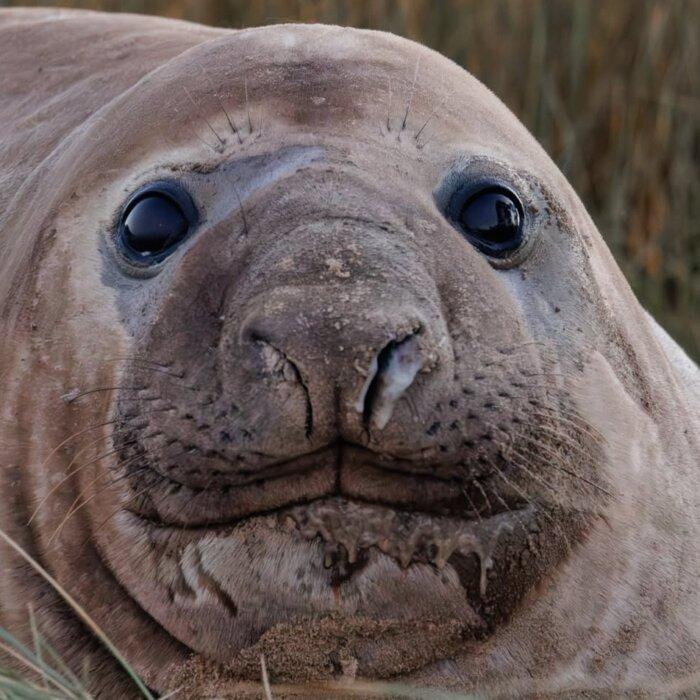
“So he was born in Tasmania, and elephant seals are ‘philopatric,’ which means they will return to the places where they were born,” McMahon told The Epoch Times.
“And he will feed in the waters south of Tasmania, as he has been doing, that he’s clearly managing to find plenty of food, and he will continue to grow until he’s an adult, all being equal.
An average male southern elephant seal can live up to 12 to 14 years and weigh up to three tonnes, with females living 23-25 years because they don’t need to fight for territory like males.
“So the critical thing ... we all have an opportunity to see a unique animal in Tasmania, quite a magnificent animal at that, and we should give Neil the sort of appropriate respect that he deserves as a wild animal, because any wild animal needs space and doesn’t want that space invaded.”
McMahon said Neil had no intent to be malicious or aggressive, and that he does “what young elephant seals do.”
The academic also said hope of Neil eventually heading to Macquarie Island and finding a seal colony or partner was slim.
“I think for poor old Neil, his life is probably going to be a fairly lonely one, without other elephant seals,” he said.
“He’s hardwired to come ashore to moult and come ashore for a mid-year haul out, and then when he gets older, he’s hardwired to come ashore to breed.
McMahon said it might mean that as Neil gets older, he may start defending his “territory” even without females or a harem of females.
For seal-watchers, that simply means giving the seal a wider berth—30 metres instead of 20.
“But that’s a small price to pay to watch a magnificent beast,” McMahon said.
Neil is scheduled for another moulting season in December.