
The federal government spent nearly $7 million on a cull operation involving hundreds of ostriches at a farm in B.C. over concerns of avian flu, according to new documents.
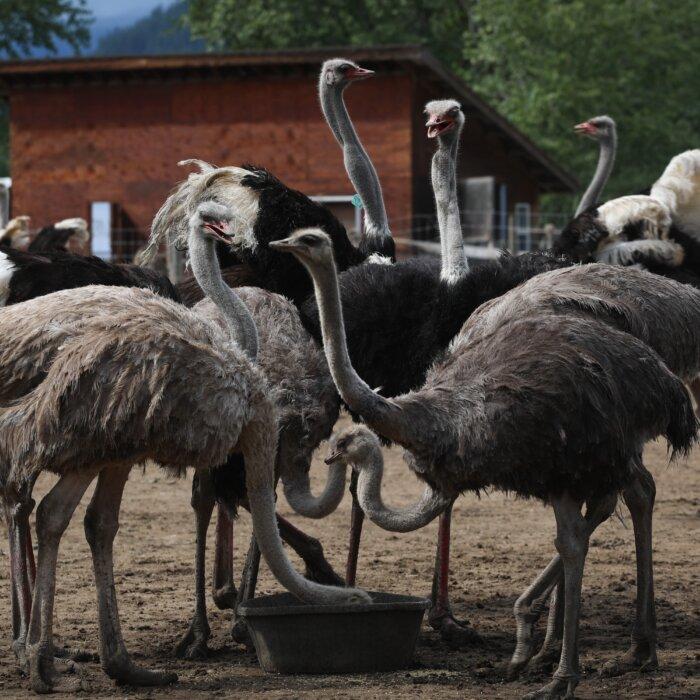
Universal Ostrich Farms in Edgewood, B.C., garnered international attention last year after the Canadian Food Inspection Agency (CFIA) issued a cull order for an estimated 400 ostriches at the farm. The farm unsuccessfully challenged the order in court, and the cull was completed in November 2025.
Conservative MP Scott Anderson requested a breakdown of expenses incurred over the operation from the minister of agriculture and agri-food, the minister of justice, and the minister of public safety.
The figures, released by the House of Commons on Jan. 26, came to a total of $6,810,846.
Public Safety Canada, which provided information for the cost of policing the farm after the CFIA took it over in September, said it spent a total of $3.3 million between Feb. 20,2025, and Dec. 9, 2025. That number includes more than $2 million to cover the cost of having the RCMP at the farm location to protect federal food inspection agency workers as they conducted the cull.

The department of justice said legal costs associated with measures taken related to the ostrich farm amount to approximately $1.38 million, including litigation and support services. The total amount is based on information in the department of justice systems as of Dec. 17, 2025, and the document noted expenditures reported may increase as other items are calculated, such as salaries and overtime claims that have not yet been posted.
Officials from the CFIA arrived at the farm on Sept. 22, 2025, along with a police escort to make arrangements for the cull, but they were not able to carry it out at the time because the Supreme Court had issued a stay order while it considered an appeal from the farm owners.
“So at a cost of over $20,000 per bird (probably not including the cost of bullets), the CFIA disrupted the lives of the farmers, the entire town of Edgewood, and ultimately galvanized thousands of Canadians. My office has received letters, emails, and phone calls from around the world,” he said in the post.
He called for federal oversight of the CFIA and for a minister position that could “intervene on behalf of Canadians.”
CFIA has said that its “stamping out” policy, which requires animals suspected of avian flu to be culled, is in place to keep people and food systems safe. It also said that the birds at Edgewood farm carried a form of avian influenza that had not been identified in Canada before and was connected to a case of human infection in the United States.
The farm owners repeatedly challenged the cull order in court, saying the ostriches had developed immunity, displayed no symptoms of illness, and were important for scientific research.