Nearly six million Canadians are currently on a health-care waitlist, surpassing levels recorded in the aftermath of the COVID-19 pandemic, a new report suggests.
“This figure is certainly an underestimate as provincial government data is often incomplete,” the organization says in its newly released report that was missing data for specialist waitlists in several provinces. “Calculations by SecondStreet.org suggest the true figure is approximately 5.8 million—approximately one in every eight people.”
There were 2.9 million confirmed cases of Canadians on waitlists as the country emerged from the pandemic in 2022. Since then, some provinces have to report previously unshared data, SecondStreet.org notes. A direct comparison indicates an increase in waitlists of approximately 200,000 patients since the pandemic’s conclusion.
Waitlist Numbers
Ontario had the largest waitlists of all 13 provinces and territories, with 719,710 people waiting for a diagnostic scan as of Dec. 1, 2024, numbers that have risen significantly in the past three years.“The diagnostic waitlist has skyrocketed by nearly 260,000 cases since the end of COVID,” the report says of Ontario. “However, readers should note the figure provided by the government only includes CT and MRI scans.”
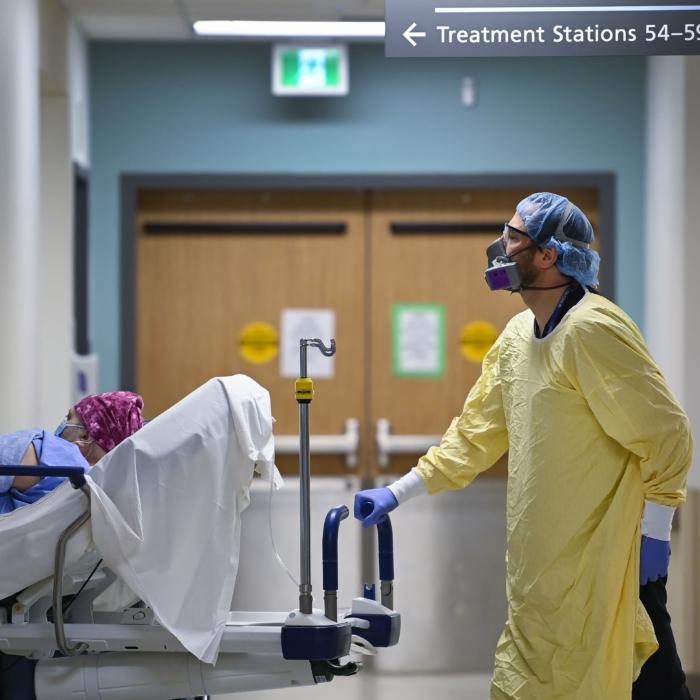
The province’s surgical waitlist has barely changed in the past three years, with 233,679 people awaiting surgery as of Dec. 1, 2024, the report notes.
British Columbia was next on the list with 96,076 people in line for surgery as of April 2025, an increase of approximately 7,000 people since the end of the pandemic, the report says. There were also 242,902 B.C. residents waiting for a diagnostic scan as of April.
In Alberta, there were 81,848 people awaiting surgery and 174,022 in need of a diagnostic scan between April and July. The report says the number of patients waiting for surgery has risen by roughly 6,000 since the end of the pandemic, while the diagnostic waitlist has gone up by nearly 70,000.
The province also had 256,019 people on the list to see a specialist. Statistics for specialist waitlists were not provided for Ontario or British Columbia.
Quebec’s data indicated that 908,689 individuals were waiting to consult a specialist, an increase of more than 115,000 since the organization’s inaugural report released in 2022 at the end of the pandemic, the report says. Quebec did, however, see decreases in its surgery and diagnostic waitlists since then. Between February and March 2025, the province recorded 151,355 on the list for surgery, down by over 9,000 since 2022, and 450,544 awaiting a diagnostic scan, down by over 250,000.
Saskatchewan has seen its waitlists shrink in the past few years. It reported 31,902 individuals awaiting surgery and 19,578 waiting for diagnostic scans as of June 30, but the diagnostics waitlist may not be complete, SecondStreet says.
“It’s important to note that, while the prairie province does report data for all surgeries, its data on diagnostics is spotty, only covering MRI and CT scans,” the report says.
Manitoba’s data quality on the surgical waitlist was incomplete, providing figures for only four types of procedures: cardiac, cataract, and hip and knee replacements. It had 10,635 individuals on the waiting list for surgery in June, the report says. Its diagnostics numbers were more comprehensive, however, with 88,944 awaiting scans at the end of the same month.
Numbers in Atlantic Canada were highest in New Brunswick and Nova Scotia.
New Brunswick had 23,522 people waiting for surgery between March and June, down by nearly 4,000 since the end of 2022. It also had 65,627 on the list for a diagnostic scan in the same timeframe.
Nova Scotia has also seen a drop in surgery wait times with 18,237 on the list as of May 1, as well as a decrease in those waiting to see a specialist, which sat at 23,469 at that time, according to the report. The number of people in need of a diagnostic scan has risen by nearly 13,000 patients, however, to sit at 95,663 as of May 1.
Newfoundland and Labrador’s surgery list sat at 18,237 as of March 31, while 43,197 people were waiting for a diagnostic scan, a decrease of 100 patients and over 8,000 patients, respectively.
No numbers were available for Prince Edward Island or the Yukon, but waitlists have grown significantly since the end of COVID-19 in Canada’s two remaining territories.
Between August and September this year, there were 1,311 patients waiting for surgery in the Northwest Territories, in addition to 14,736 awaiting an appointment with a specialist, and 2,520 in need of a diagnostic scan.
Nunavut had 320 on its surgery waitlist, 2,457 awaiting a specialist, and 7 in need of a diagnostic scan as of late April.
In total, 664,338 Canadians were waiting for surgery, 1,205,370 were awaiting a specialist, and 1,902,714 needed a diagnostic scan at the times the data were released.
Lucyk says the provinces need to do more to reduce their medical waiting lists and suggests looking to other countries for inspiration.
“Japan, France, Sweden there are lots of countries with universal systems that don’t have the backlogs that we do,” Lucyk says. “Marginal changes to our system won’t cut it. Provinces need to get their act together and start fixing the system, mainly by learning from countries with better performing universal health care systems.”