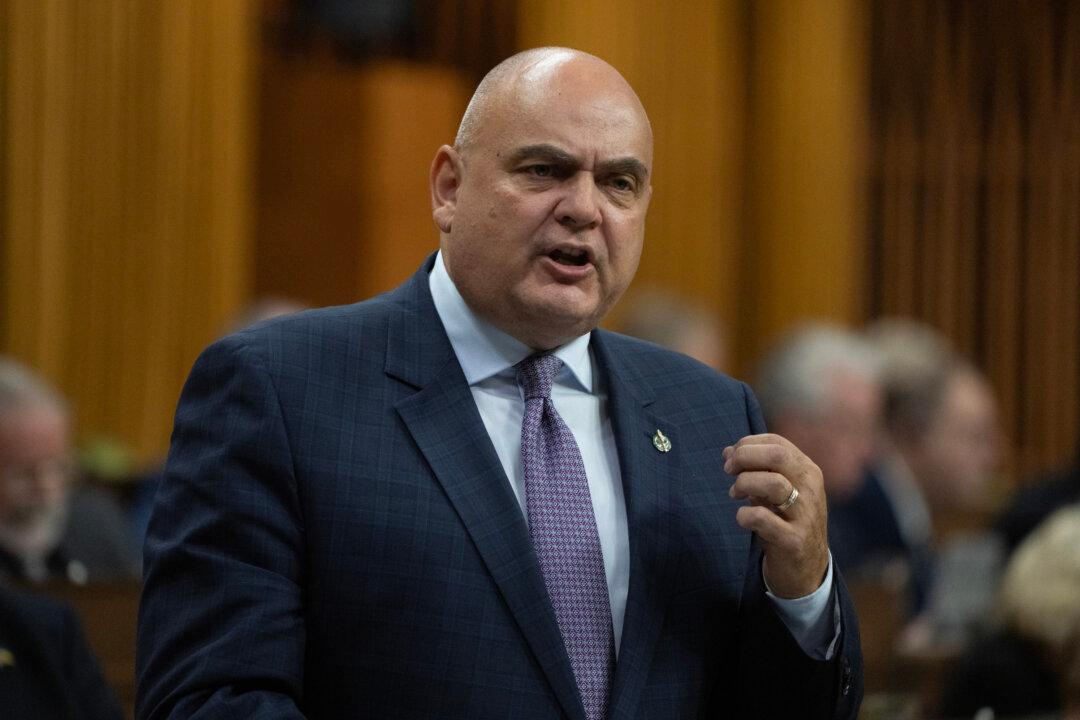
Natural Resources Minister Tim Hodgson said Canada will do what it can to help bring down global energy prices, as the conflict in the Middle East drives the price of oil to multi-year highs.
“Canada will do its part to contribute to the world’s supply,“ Hodgson told reporters in Parliament on March 11. ”That will bring prices down for Canadians.”
Hodgson’s comments came the same day the International Energy Agency, which represents dozens of countries including Canada, announced it had agreed to release 400 million barrels of oil from member countries’ stockpiles.
Hodgson said Ottawa is holding discussions with the country’s energy sector to determine how best to support the release of oil reserves, and he expects to have more to say within a few days.
“We are conscious of the significant affordability impacts energy market fluctuations are having on Canadians at the pumps, and contributions to a more stable market should help alleviate price increases,” he added.
Iran has targeted the oil infrastructure of several Gulf countries and effectively shut down the Strait of Hormuz, which carries roughly one-fifth of global oil shipments. The conflict caused Brent crude oil to surpass US$110 a barrel on March 9, before crashing back down to $90. Washington has said it’s working on strategies to mitigate the rising oil prices.
The Conservative Party has called on Prime Minister Mark Carney to introduce an emergency response to the increase in oil prices. This would include measures repealing the Impact Assessment Act, oil tanker moratorium, and industrial carbon tax, as well as pre-approval of liquefied natural gas plant sites on the East Coast, and guaranteeing timelines of under six months to approve major energy infrastructure projects, the Tories said.
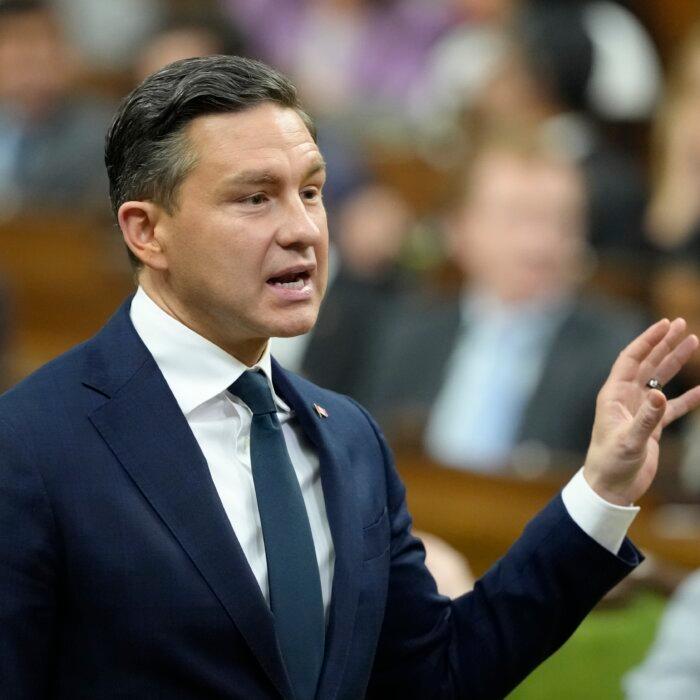
During Question Period on March 11, Conservative Leader Pierre Poilievre said Hodgson’s statement about Canada releasing its oil stockpiles was “hilarious” because “our stockpiles are zero.”
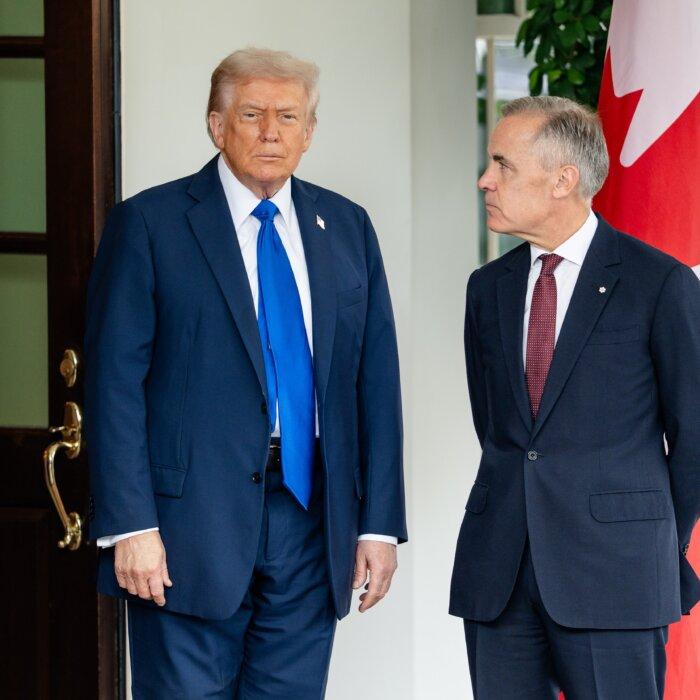
Carney responded that Canada has the “most competitive oil and gas in the world.” He said oil exports are at 5 million barrels per day, “and they will increase.”
Carney previously said Canada can be an “energy superpower” in conventional and renewable energies. The prime minister signed an agreement with Alberta Premier Danielle Smith in November 2025 that could pave the way for a new West Coast oil pipeline if a private proponent comes forward.
Ottawa and Alberta also reached a tentative agreement on March 6 that would see the province take control of regulatory approvals for major projects to pass them quicker.