Australia’s economy has already taken a $2.2 billion hit in 2025 from a spate of natural disasters, including Cyclone Alfred and widespread flooding across New South Wales (NSW) and Queensland, according to fresh estimates from Treasury.
The losses reflect immediate declines in economic activity, particularly across retail and household spending, and are expected to weigh heavily on the March quarter figures due for release on June 4.
While these early estimates reflect only the short-term impact, Treasury noted future quarters could show offsetting effects from rebuilding activity.
Retail, Spending Stalls
Retail trade data already signals the drag. Queensland’s nominal retail turnover dipped 0.3 percent in February and a further 0.4 percent in March.The Australian Bureau of Statistics’ Household Spending Indicator showed flat results for the March quarter, with Queensland’s 0.2 percent drop a key contributor.
Cyclone Alfred, which crossed Moreton Island in early March, caused widespread damage across South-East Queensland and northern NSW.
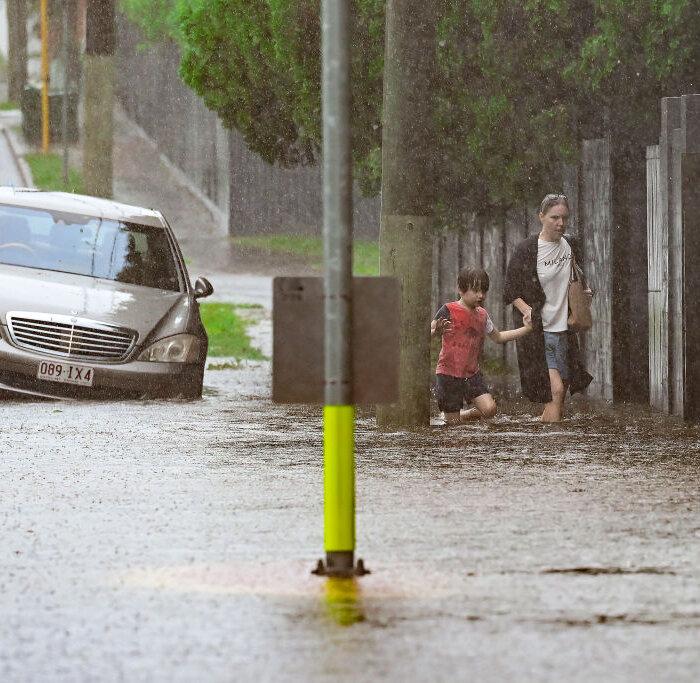
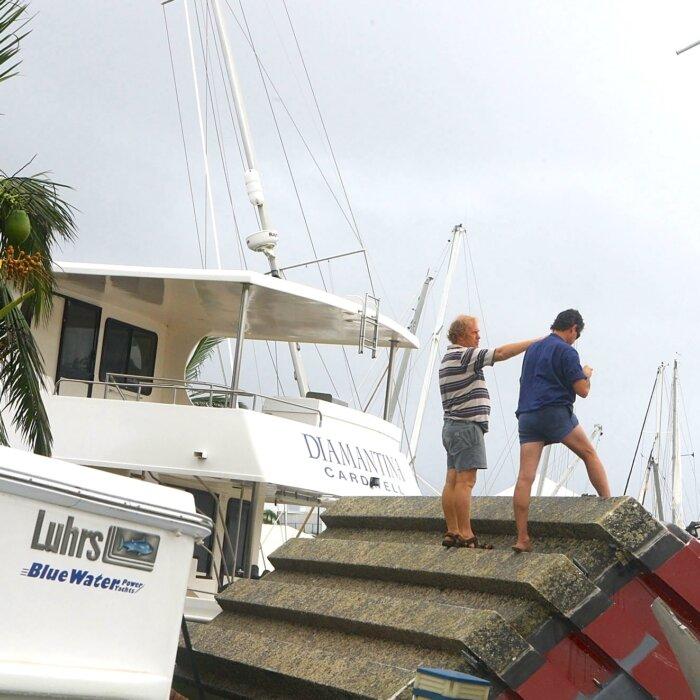
Heavy rainfall and flooding in late March and early April inundated nearly a million square kilometres in central and southwest Queensland.
In NSW, flooding from the Hunter region to the mid-north coast in late May damaged or destroyed 10,000 homes and businesses.
Government Flags Support but Warns of Long-Term Costs
Treasurer Jim Chalmers acknowledged the damage, stating the government’s immediate focus was recovery while also warning of the broader economic implications.“The human impacts matter to us most, but the economic cost is very significant too, and we'll see that in Wednesday’s National Accounts,” Chalmers said.
“Because of the progress Australians have made together in the economy—with inflation down, debt down and unemployment low—we’re in a stronger position to provide support when communities need it most.”
Chalmers also cautioned about likely inflationary pressures.
“We made a heap of progress on inflation numbers in the building sector, but we can anticipate some upward pressure on building costs as a consequence [of the cyclone],” he said.
Emergency Management Minister Kristy McBain said support was being deployed quickly.
“We have activated multiple disaster payments and will continue to work with NSW on further funding requests,” she said.
An additional $200 million from the Disaster Ready Fund will be released in 2025–26 to improve local preparedness.
So far this year, the Disaster Assist portal has logged 27 separate weather events—ranging from storms and bushfires to cyclones and flooding—underlining the growing economic and social costs of Australia’s natural disaster landscape.