Nationals Leader David Littleproud has expressed disappointment after a proposed Senate inquiry into the government’s decision to allow U.S. beef imports into the country was voted down.
Labor and the Greens joined forces to reject the motion. Last week, the Labor government dropped restrictions on U.S. beef imports into the country amid pressure from the Trump administration.
“The Greens have once again turned their back on the agriculture industry by voting down a much-needed Senate inquiry into the U.S. beef decision,” Littleproud said in a statement on July 31.
“Today, the Greens have stopped an inquiry looking at the threat of importing beef that has been exposed to diseases, the process and risk assessment, and the protocols and equivalency standards for exports and imports. It begs the question, what deal have they done with Labor?” he questioned.
Littleproud said the vote would cause uncertainty within the agricultural sector and argued that the inquiry was necessary to assess how the import protocols were developed and whether sufficient safeguards were in place.
The Nationals have questioned whether the government followed recommendations from the Inspector-General of Biosecurity, who advised that a Scientific Advisory Group should oversee import risk assessments.

Scar Criticises Parliamentary Process
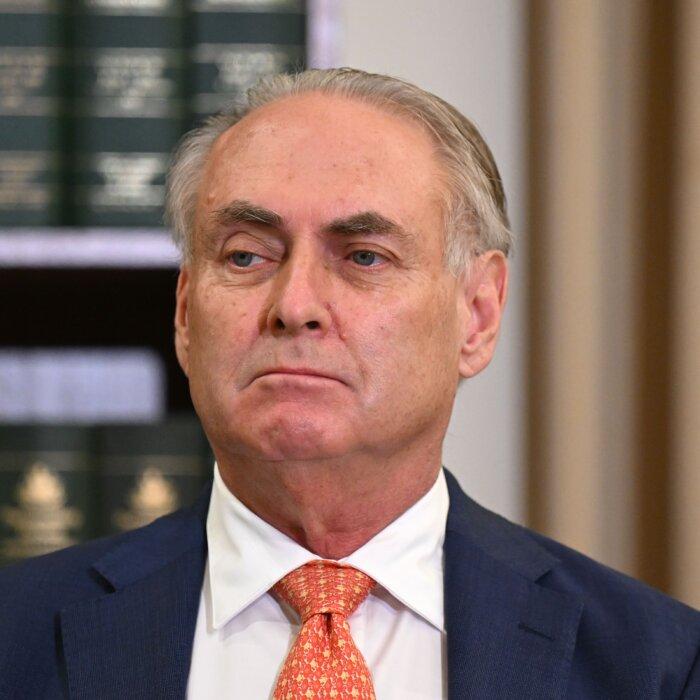
In the Senate, as Labor and the Greens swiftly rejected the motion, Liberal Senator Paul Scarr accused both parties of sidelining the issue.“This is the latest motion where Labor and the Greens combine to crunch the Coalition and deprive the committee of considering a matter of great importance to the Australian people,” he said.
“The Coalition will be making a stand on this motion and opposing it, because we believe the dealings between the Greens and the Labor Party are compromising the running of this institution—an institution that considers matters of great concern to the Australian people, including the recent announcement regarding the importation of beef from the United States, which has its source in both Canada and Mexico.”
Government Defends Scientific Assessment
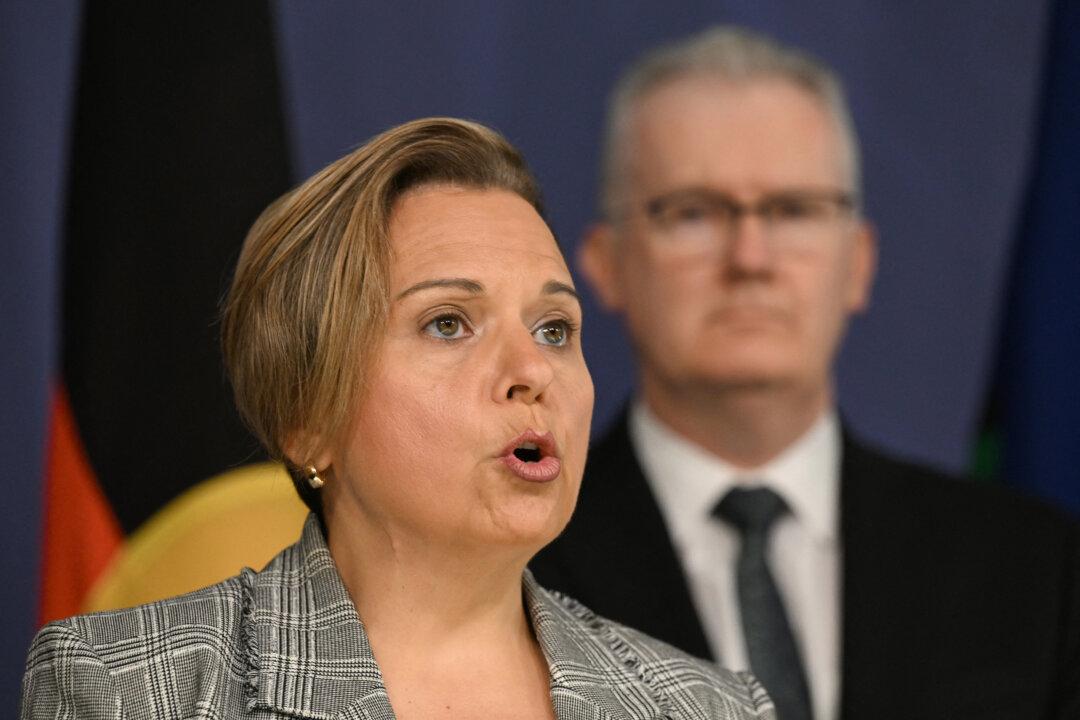
Meanwhile, Agriculture Minister Julie Collins told Parliament that the decision to allow U.S. beef imports was made on scientific grounds.“All food imported into Australia must be safe and compliant with our food standards. So this has been done on a scientific basis,” she said.
She added that the U.S. cattle traceability systems were deemed equivalent to Australia’s and urged members of the opposition not to question the nation’s biosecurity framework without evidence.
“The Albanese Labor government will never compromise on biosecurity,” Collins added.
The decision to lift the final biosecurity restrictions following a 20-year ban on U.S beef product after a single case of mad cow disease was discovered in America.
In 2019, this ban was partially lifted, however, heavy restrictions remained due to concerns of Mexican and Canadian cattle being used in U.S. herds.
U.S. producers in turn, lobbied the Trump administration on the issue, which the president highlighted during the announcement of the Liberation Day tariffs in April.
Australia was slapped with the baseline 10 percent tariff on all goods heading to America.