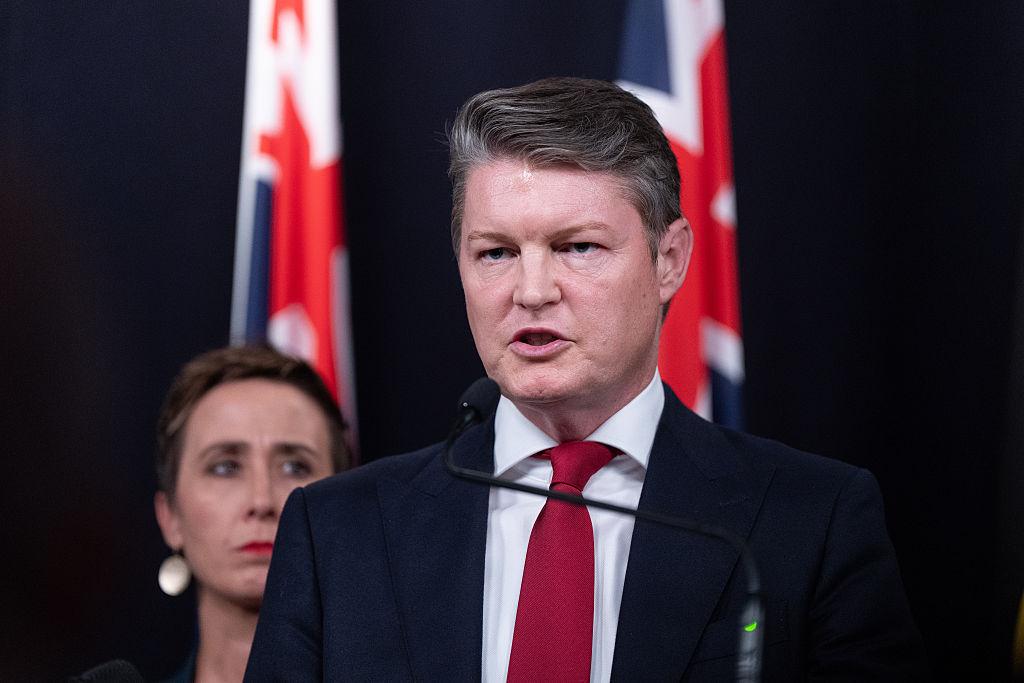
Art and music therapy will continue to be included as part of Australia’s National Disability Insurance Scheme (NDIS) following an independent review.
After looking at pricing, Duckett found the current hourly price limit for art and music therapies under the NDIS was too high. He noted this had been putting pressure on the therapy market outside the scheme.
“My recommendation is that $156.16 per hour is more appropriate, in line with the rate for counselling, as these are all developing professions that are not yet nationally regulated,” he said.
The new pricing for art and music therapies will come into force from Nov. 24.
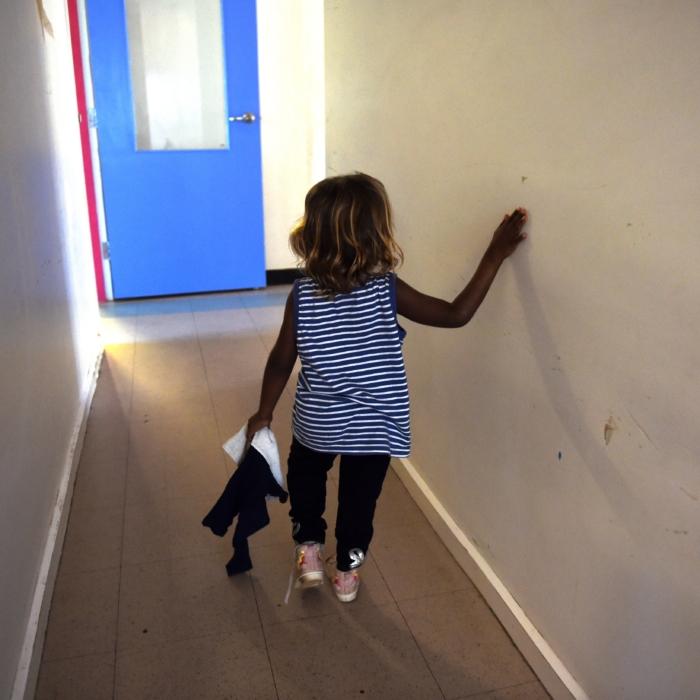
Duckett also highlighted the need for a stronger distinction between art and music as a therapeutic support and a general activity.
Should Be Delivered By Registered Professionals
In late 2024, the National Disability Insurance Agency (NDIA) commissioned an independent review to assess art and music therapy.Overall, the Duckett Review made 19 recommendations, of which 15 were directed to the NDIA. The NDIA said they support all of these 15 recommendations.
The review found that art and music therapies should be delivered by qualified, registered individuals with a professional association.
“NDIS funding cannot directly be used to cover the cost of art and music activities, however funding can be used for supports to enable participation in art or music activities, just not the cost of the activity itself,” the review stated.
Further, the review recommended that the NDIS Evidence Advisory Committee strengthen the evidence base of music and art therapy interventions for certain groups of people in the 2025-26 work plan.
NDIS Minister Jenny McAllister said Duckett’s work provided a clear way forward for NDIS participants and providers of art and music therapy.
“Eligible participants who access art and music therapy can be confident that they are being supported by qualified therapists, recognised by a professional association,” McAllister said.
NDIS has Grown ‘Too Big, Too Fast’
The reduction in costs to the NDIS-funded music therapy comes after the insurance scheme was criticised for being costly for the taxpayer.It recommended reducing payments by $12 billion over the next 10 years.
While the NDIS was a vital part of Australia’s social fabric, the report said the scheme had grown “too big, too fast.”
The NDIS is one of the fastest-growing pressures on the federal budget, it found, and is at risk of crowding out other services that help people with a disability.
“Design flaws and governance failures baked in from the start have persisted, their impact increasingly stark as costs have spiraled. But more spending has not meant increasingly better results,” the report said.
The federal government is planning to remove children under nine with mild autism and developmental delays from the scheme and transition them to a new system called “Thriving Kids.”
Shadow minister for disability and the NDIS, Anne Ruston, and assistant shadow minister for the NDIS Phil Thompson said reform must be guided by strong clinical advice.
“The Coalition will continue to hold the government to account, ensuring Australians living with disability receive the services they need,” they said.