Minsk hosted a major Eurasian economic summit this week, which was attended by several regional leaders, including Russian President Vladimir Putin. Held on June 26 and 27, the event was organized by the Eurasian Economic Union (EAEU), an economic confederation of five Eurasian states.
Launched in 2015, the EAEU is made up of Armenia, Belarus, Kazakhstan, Kyrgyzstan, and Russia. Belarus hosted the summit.
The leaders of all member states attended the summit in person, with the exception of Armenian Prime Minister Nikol Pashinyan, who participated via video link.
Ferit Temur, a Turkish expert in Eurasian affairs, described the EAEU as a “geo-economic integration project developed by Russia to maintain its central position in the former Soviet geography against China, the European Union, and the United States.”
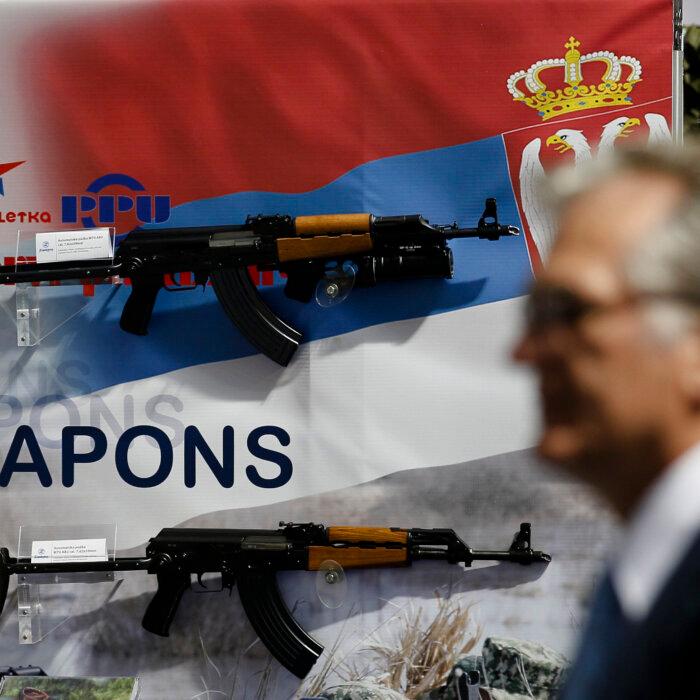
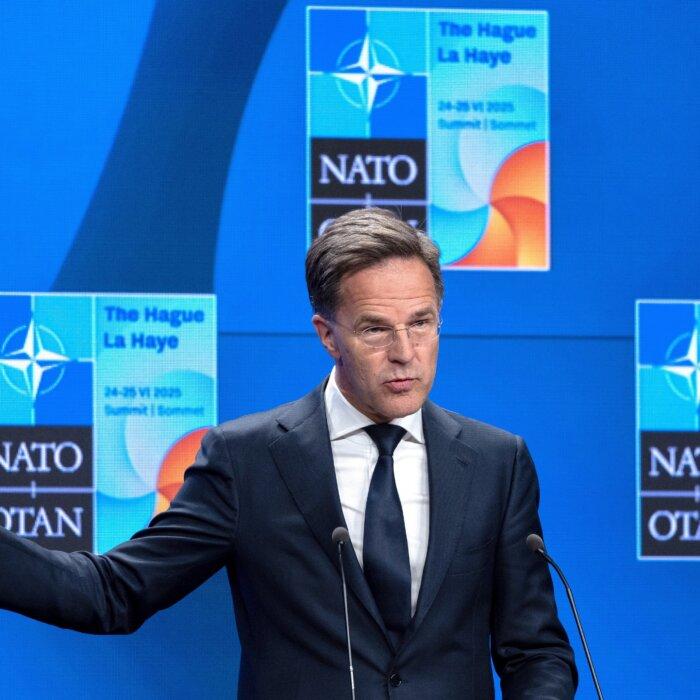
Its five current member states are “important for the global economy because they host a wide range of energy, agricultural, and mineral resources,” he told The Epoch Times.
De-Dollarization
Addressing summit participants, Putin said that inter-bloc trade had reached $97 billion per year, 93 percent of which was conducted in the national currencies of its member states.According to Temur, this strongly suggests that “the de-dollarization process is progressing rapidly” among Russia and its primary trading partners.
He listed the main items on the summit agenda as “developing technological cooperation, ensuring food security, and increasing national production capacity to reduce dependence on the West in various product groups.”
“Facilitating customs procedures between EAEU members through digitalization and reducing dependence on the dollar in foreign trade were also on the agenda,” Temur said.
“The situation in the Middle East is stabilizing,” he said. “The longstanding conflict between Israel and Iran is … now behind us.
“This development paves the way for us to cultivate closer ties with all countries across the region.”
Stanislav Pritchin, head of the Central Asia desk at Moscow’s Institute of World Economy and International Relations, said the summit in Minsk provided an opportunity for EAEU member states to compare notes and “discuss strategy.”
“For the Russian leadership in particular, it is an opportunity to garner political support and discuss closer political cooperation,” Pritchin told The Epoch Times.
Russia–Belarus Strategic Alliance
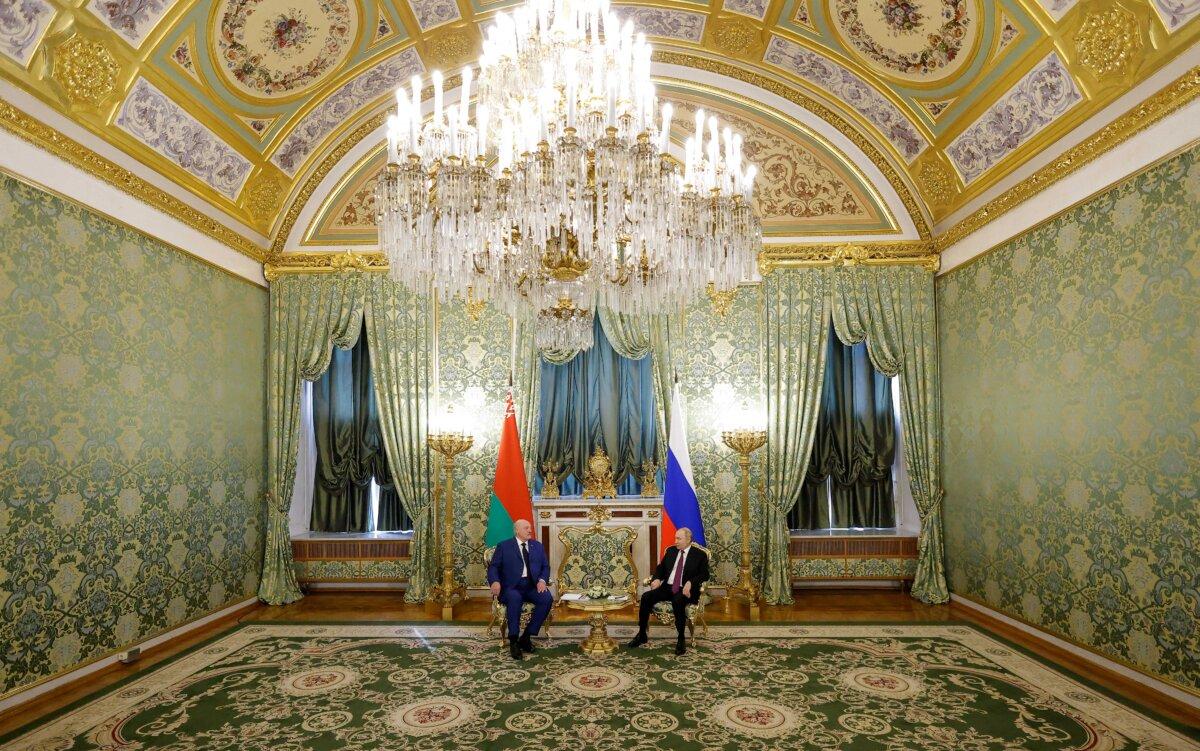
On June 27, the second day of the summit, visiting heads of state took part in a meeting of the Supreme Eurasian Economic Council, the EAEU’s highest supranational body.Putin was greeted at the Minsk presidential palace by Belarusian President Alexander Lukashenko, who described the meeting as a “good opportunity to discuss the international agenda with similarly minded people.”
Relations between Russia and Belarus go well beyond their shared membership in the EAEU. Since 1999, the two countries have been bound by a “Union State” treaty, which has cemented ties—economic and military—between the two neighbors.
Pritchin described relations between Russia and Belarus as “the closest and most strategic alliance in the post-Soviet space.”
The Armenian Wild Card
Unlike Belarus, Armenia, in recent years, has seen a crisis in its relations with Moscow, despite its being a longstanding nominal ally of Russia.Last year, Pashinyan announced the suspension of Armenia’s relations with the Collective Security Treaty Organization, a six-nation military alliance led by Moscow.
In January, Armenia’s parliament approved legislation paving the way for a possible EU membership bid.
At the time, Russian Deputy Prime Minister Alexey Overchuk said EU membership was “incompatible” with membership in the EAEU, warning that Armenia would have to “make a choice” between the rival regional blocs.
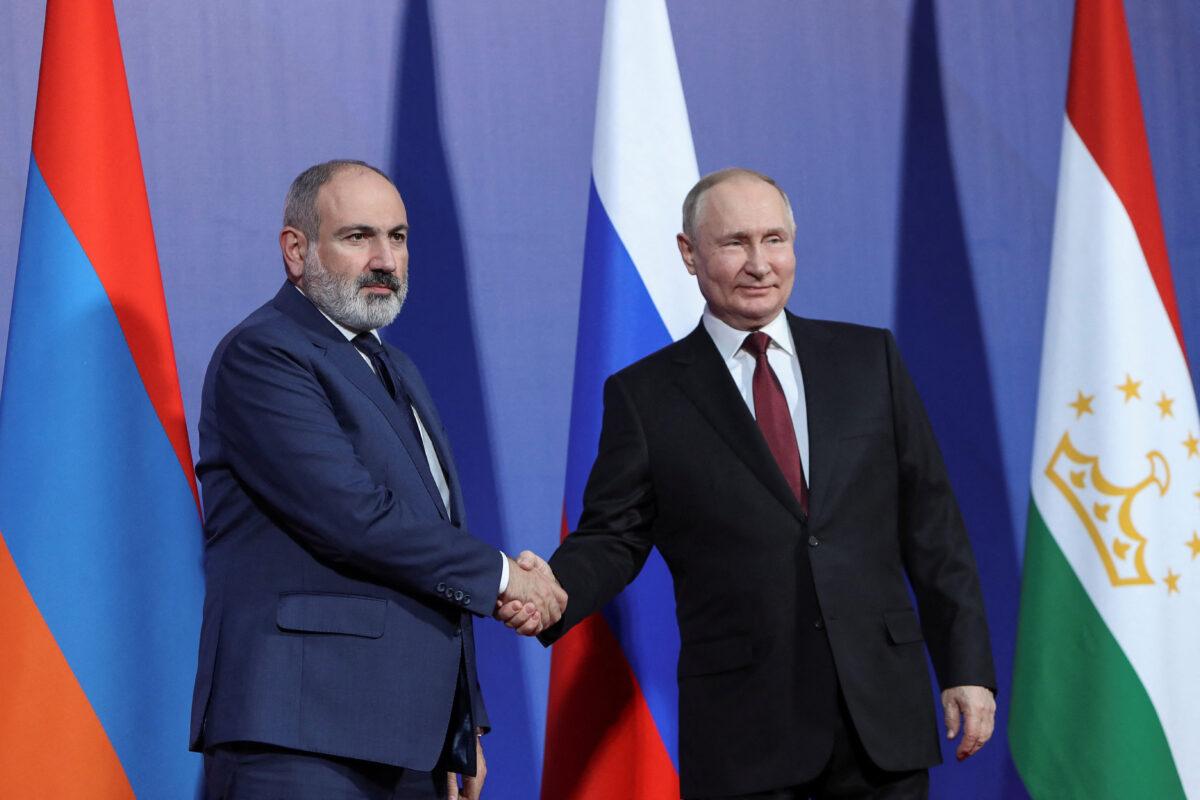
Pritchin attributed Pashinyan’s absence to the fact that the Armenian leader is currently facing “serious internal challenges.”
“He is bracing for tough parliamentary elections next year and is now fighting with his political opponents,” Pritchin said.
On June 25, Armenian authorities detained more than a dozen people, including a prominent Christian cleric, on suspicion of plotting to overthrow the government.
The arrests came amid an escalating row between Pashinyan and Armenia’s Apostolic Church, several high-ranking members of which have demanded his resignation.
“Given these circumstances, Pashinyan’s decision [not to attend the Mink summit in person] is understandable,” Pritchin said.
According to Temur, there are “differences in perspectives on some geopolitical and foreign policy issues among EAEU members.”
“For example, not all EAEU members support Russia in the Russia-Ukraine war,” he said. “The fact that Pashinyan attended the summit online, rather than physically, should be seen as a diplomatic message to Putin.
“Similarly, it should not be overlooked that some EAEU member states, such as Kazakhstan and Uzbekistan, are trying to develop bilateral trade and diplomatic relations with China, the U.S., and the EU, which sometimes bothers Russia.”