More surgeries are being conducted in Canada now than before the pandemic but wait times have increased, a new report suggests.
The newly released report from the Canadian Institute for Health Information examined the wait times for hip and knee replacements, cataract surgeries, cancer operations, MRIs, and CT scans for the years 2019 to 2024.
It found that increasing health care demands due to population growth and aging, as well as health workforce shortages have led to the increase in wait times. A shortage of health-care personnel, particularly surgical staff, is another element leading to extended wait times.
“Provinces are using many strategies to provide faster access to surgeries, yet wait times for some procedures are still longer than they were before the pandemic,” the report’s authors wrote.
The total number of surgeries across all categories in 2023 increased by 5 percent compared to 2019, the report said. However, this increase failed to keep pace with the 7 percent rise in population and the 10 percent escalation in surgical demand for those aged 65 or older.
Some patients continue to wait longer than the recommended time frames for surgery as a result.
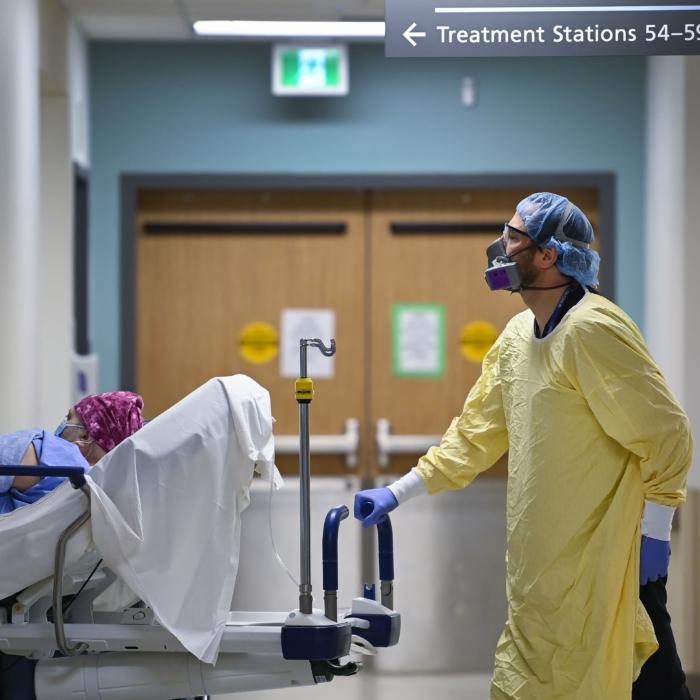

Canadian hospitals have built up a backlog of patients over the last five years due to the effect of the COVID-19 pandemic, orthopaedic surgeon and Western University professor Dr. James Howard said in the report.
“In many cases, post-pandemic patients have presented later to the surgeon and presented with more complex problems than they would have in the past,” said Howard, who is also the head of orthopaedic surgery at the University Hospital-London Health Sciences Centre in London, Ont.
“So even with surgeons collectively working as much as they can and completing more surgeries than we have in the past, we are not seeing wait times come down due to the complexity and volume of patients presenting to orthopedic surgeons.”
Prolonged Surgery Wait Times
The study examined surgery timeframes from April 1 to Sept. 30 in 2019 and 2024.It found the proportion of patients undergoing hip and knee replacement surgeries within the advised six-month time frame declined, despite a rise in the number of procedures by more than 20 percent.
The story was the same for cancer patients. Even though doctors conducted a greater number of surgeries for breast, bladder, colorectal, and lung cancers in 2024 compared to 2019, the wait times still increased, the report said.
Slower-growing cancers, such as prostate cancer, generally have the most prolonged surgical wait times, the study noted.
Unlike other types of cancer surgery, doctors performed fewer prostate cancer procedures in 2024 compared to 2019. The wait time for these procedures saw the most significant increase among all cancer surgeries as a result, rising from 41 days in 2019 to 50 days in 2024.
While the factors associated with longer wait times for cancer surgeries were similar to those affecting hip and knee replacements, such as a shortage of specialists and limited operating room availability, cancer surgeries were also impacted by other factors.
These factors include the fact that not every hospital performs surgeries for all types of cancers, and that some cancer patients experience extended waiting periods for repeat diagnostic imaging.
Wait times for cataract surgery remained relatively stable, however. Sixty-nine percent of patients received treatment within the advised 16-week period in 2024, compared to 70 percent in 2019.
The median wait time for an MRI in 2024 was 15 days longer than it was pre-pandemic, while the wait for CT scans increased by three days.
“Across Canada, managing wait times for surgery remains a priority as health systems address the challenges of an aging and growing population, as well as health workforce shortages,” the authors said. “Despite an increase in the number of surgeries performed, the capacity of health systems to meet wait time targets for these surgeries remains strained.”