A fresh push to expose who really has politicians’ ears has landed in Parliament.
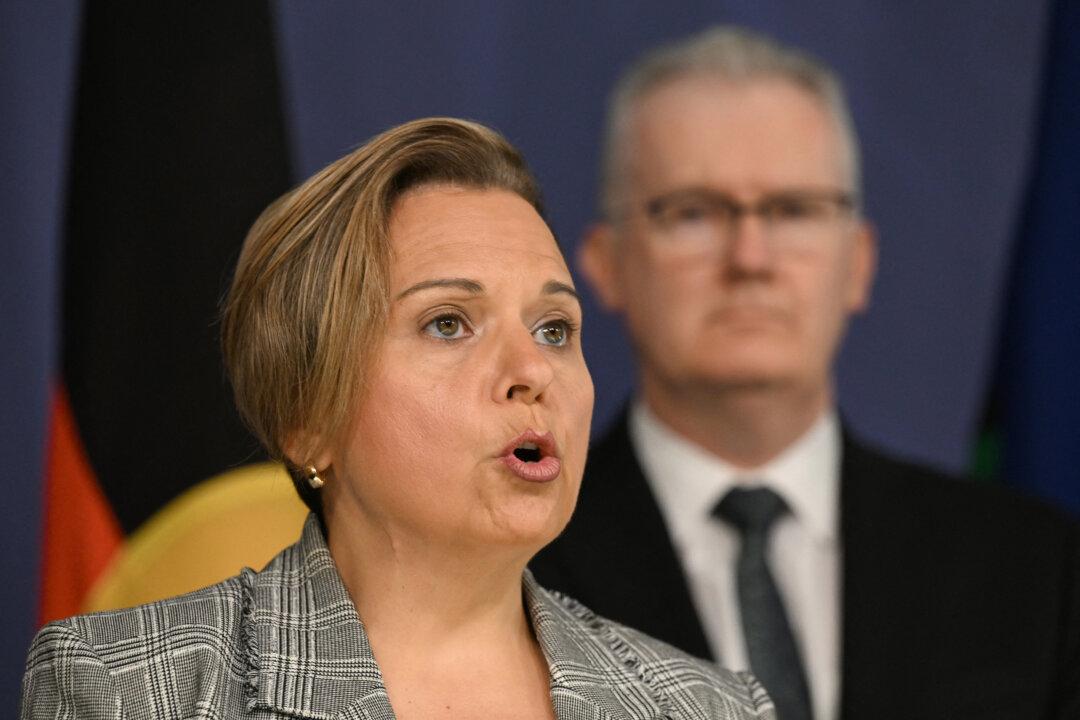
Independent MP Monique Ryan has introduced an integrity bill aimed at overhauling Australia’s lobbying framework.
Introducing the Improving Government Honesty and Trust Bill 2025 to Parliament on Oct. 27, Ryan said the proposed law would “promote and enhance transparency, integrity and honesty in dealings between lobbyists and government representatives.”
“Lobbying is a legitimate form of advocacy, but it is often available only to the wealthy and the powerful in this country,” Ryan said. “Lobbying has become a multibillion-dollar industry.”
Under the proposal, all individuals engaged in lobbying—including in-house lobbyists employed by corporations or industry bodies—would have to report quarterly on who they met, when, and for what purpose.
The register would be publicly available and enforced by the National Anti-Corruption Commission.

The bill wants to create a publicly accessible lobbying register, require ministers to publish their diaries, and imposes a three-year ban on former ministers and senior staff working in lobbying firms or companies in similar sectors.
Ryan said the existing federal lobbying code of conduct was “weak, ignored, and unenforced.”
“It applies only to third-party lobbyists, not to those employed by a business or peak body to lobby on their behalf,” she noted.
Repeated audits, she said, had revealed breaches with no formal sanctions, despite evidence of misconduct.
Public Trust and the Revolving Door
Ryan’s bill also takes aim at the “revolving door” between public office and the private sector, citing examples where former ministers quickly moved into lucrative roles with companies tied to their portfolios.“What we want, what we need, is to hold public officials to a higher standard of integrity when they leave public office,” she said.
“Government representatives shouldn’t be able to use their insider knowledge for personal gain or for the commercial benefit of their new employer.”
She referenced cases of ministers who awarded large government contracts before leaving Parliament and later joined the same firms, saying it eroded confidence in government integrity.
The Pocock Effect
The bill was backed by independent Kate Chaney, who said the proposal was vital to rebuild public confidence in democratic institutions.“Lobbyists are able to conduct invisible activity without regulation or oversight,” Chaney said, citing Grattan Institute findings that heavily regulated industries—such as gambling and energy—hold the most meetings with senior politicians and are among the largest political donors.
Chaney referenced the online gambling reform debate, where a bipartisan committee produced 31 unanimous recommendations that later stalled amid intense industry lobbying.
“In the first six months, the minister had no fewer than 66 meetings on the issue—almost universally with lobbyists against significant reform,” she said.
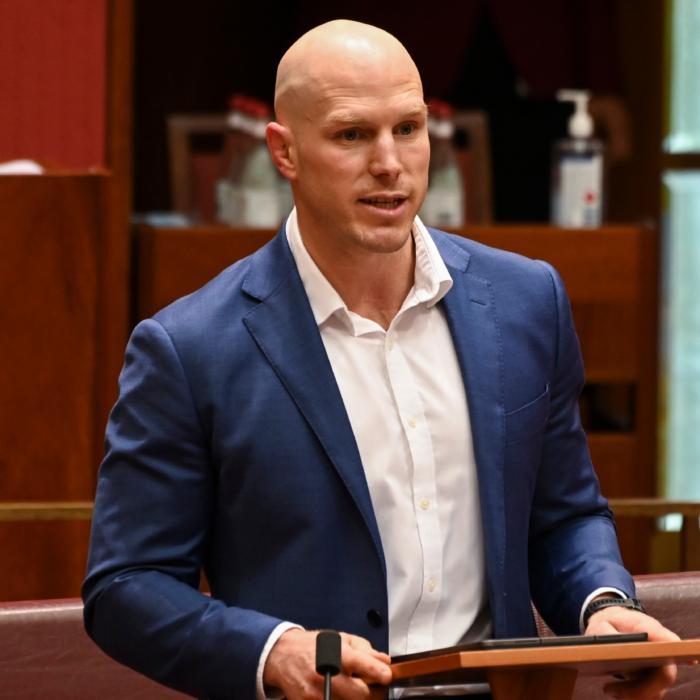
Her comments followed the controversy surrounding Senator David Pocock, who was briefly expelled from Parliament’s sports club after questioning its $2,500 corporate membership from Responsible Wagering Australia, a peak body for gambling companies, including SportsBet.
The removal reignited debate, particularly as the club, which organises games between politicians and journalists, includes the prime minister as its president and is listed on the attorney-general’s lobbyist register.
Following public backlash, Pocock was reinstated after Prime Minister Anthony Albanese intervened.
“The idea that politicians voluntarily playing sport has any impact equivalent to lobbying is absurd, but participation should be open to everyone,” Albanese said.
Chaney concluded her speech asking the government to rebuild the trust.
“If the government has nothing to hide, there should be no problem with greater transparency. Australians hate hidden lobbying—it’s time we opened the curtains.”