Criminals seeking a way to launder the proceeds of their crimes are involving Australians in serious offending and paying them as little as $200 (US$130) for taking on the risk.
Money mules—people who, knowingly or not, are recruited by criminal syndicates to transfer money in and out of their personal bank accounts—are the target of a joint effort by the Australian Federal Police (AFP) and Australian Bankers Association (ABA), who warn that the penalties range up to life in prison.
Police and banks have stepped up their efforts to curb the practice, urging Australians not to rent out their bank accounts to third parties or share their banking details with anyone.
Criminals hope that by “washing” their money through the accounts of otherwise innocent people, they can make it appear legitimate to authorities.
Routing money through a legitimate Australian bank account helps obscure the true source of the cash, making it difficult to track. Sometimes the mules make the transactions themselves, but they also rent or even sell their accounts to others.
They’re typically paid a commission of around 10 percent, amounting to between $200 and $500.
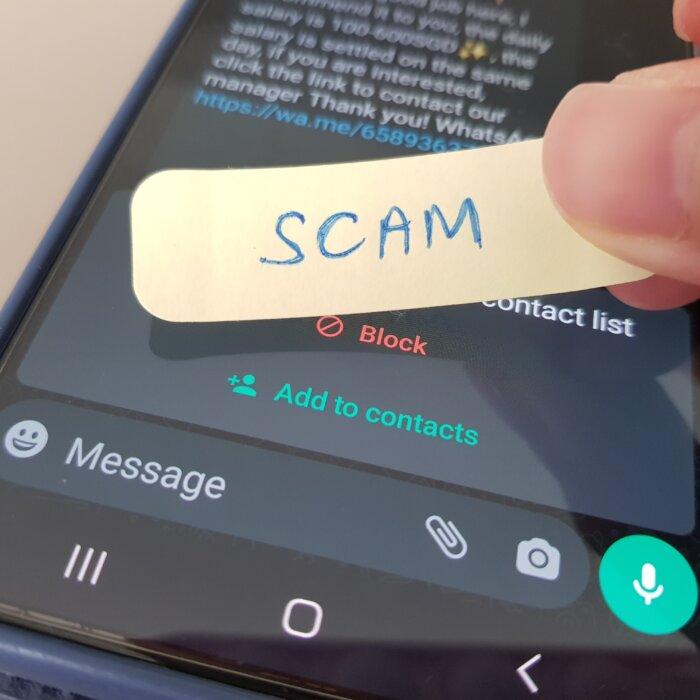

But money laundering is a serious criminal offence in Australia, with charges carrying a maximum penalty of life imprisonment, so the reward doesn’t come close to justifying the risk.
The AFP says mules are recruited through social media, messaging or gaming platforms, chat forums, online advertisements, and even face-to-face meetings.
Multitude of Scams Used to Attract Mules
Sometimes scammers contact victims, threatening criminal charges and arrest unless they transfer and receive funds. At other times, they build a romantic relationship online and then request the victim to transfer money to other accounts, typically overseas.Criminal networks are also increasingly instructing money mules to move funds through cryptocurrency exchanges/ATMs (CATM) and global money transfer apps, as these platforms enable faster and more discreet transfers than traditional banking institutions.
In these instances, people are instructed to withdraw physical cash from their account and deposit it into a CATM, where it goes into a digital wallet controlled by the criminal.
According to Scamwatch, $141.7 million was lost to scammers via bank transfers last year.
Although the amounts transferred are usually small—perhaps a few thousand dollars at a time—they add up to substantial amounts.
In April 2025, a Sydney woman was jailed for renting 10 bank accounts to a Vietnamese money laundering syndicate. They were used to launder $3.8 million in proceeds of crime, which were ultimately transferred overseas.
The syndicate used mules in Sydney and Melbourne to pick up and deposit cash through ATMs and into bank accounts.
Links to Serious Crimes
AFP Detective Superintendent Marie Andersson issued a stark warning to people considering making what may seem like easy money.“Your account may be housing money derived from scams, extortion, drug trafficking, and terrorism,” she warned. “It is illegal to rent, buy, or sell bank accounts, and doing so supports the criminal ecosystem.
“If a criminal has access to your bank accounts and personal details, they may use this information to commit other crimes, potentially implicating you in their illegal activities.”
It also allows criminals to bankroll their future illegal activity, so people laundering the money are helping create more victims.
“The AFP-led Joint Policing Cybercrime Coordination Centre (JPC3) works closely with financial institutions and law enforcement partners every day to target this activity and shut down accounts linked to money mule activity,” Andersson warned.
ABA CEO Anna Bligh said mule accounts were a key part of a scammer’s business model and banks were focused on identifying, investigating, and shutting them down.
“Renting or selling your bank account may seem harmless, but you may be unwittingly helping a scammer to rip-off a family member or someone else you know,” she said. “Don’t let criminals cash in on your bank account.”
People should avoid sharing their personal and banking details with anyone they don’t know and trust, and enable two-factor authentication (2FA) on their accounts.