Australia’s financial crime regulator, Australian Transaction Reports and Analysis Centre (AUSTRAC), will gain new powers under a crackdown on money laundering and scams.
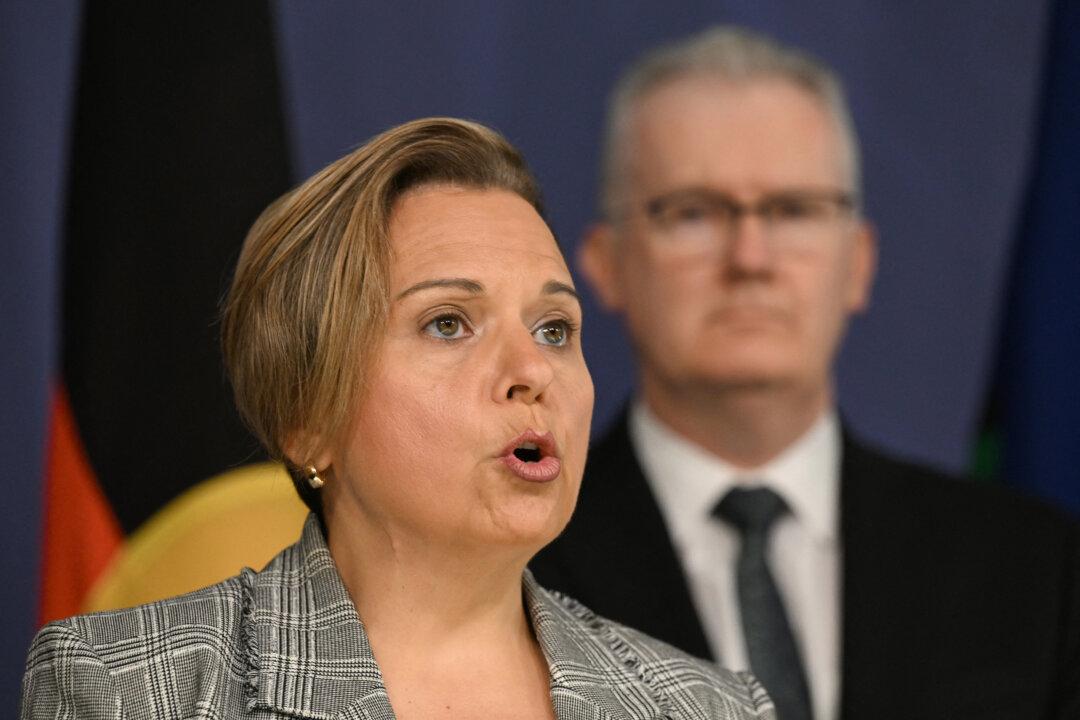
Speaking at the National Press Club, Home Affairs Minister Tony Burke announced new legislation that aims to curb emerging threats such as cryptocurrency ATMs and money-laundering schemes.
“I want AUSTRAC to have the power to restrict, or if it decides to prohibit, high-risk products, and be in no doubt crypto ATMs are a high-risk product,” Burke said.
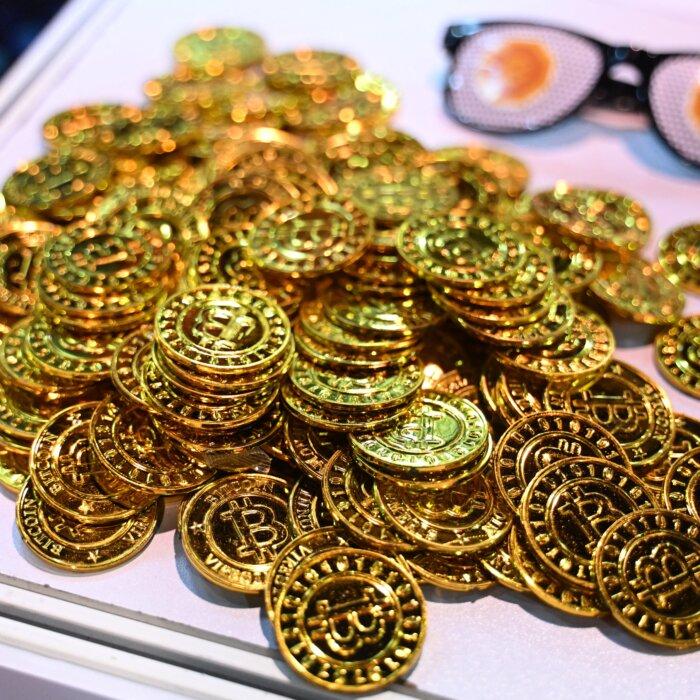
The reforms will let AUSTRAC act quickly on technologies criminals use to move money anonymously. Crypto ATMs—machines that let people buy or sell cryptocurrency with cash—are increasingly being used to convert large sums into digital currency beyond the banking system’s traceability.
Burke said Australia now ranks third in the world for the number of crypto ATMs.
“Six years ago, Australia had 23 of them. Three years ago, Australia had 200 of them. Now we have 2,000 of them,” he said.

AUSTRAC data links the machines to scams, drug trafficking and child exploitation, with “85 percent of the money going through for the top users involved scams or money mills.”
Around 150,000 transactions worth $275 million (US$179 million) flow through crypto ATMs annually, with “99 percent” being cash deposits rather than withdrawals.
“I’m not pretending for a minute that everybody who goes in and uses a crypto ATM is a problem, but proportionately, what’s happening is a significant problem in an area which is much harder for us to trace,” Burke said.
Crackdown on Mule Accounts
Burke’s second reform targets the rise of mule accounts—legitimate bank accounts taken over by organised crime to move illicit funds.“If you’ve been near a university, particularly in a capital city, you’ll find these signs all over the place … make a heap of money. Don’t have to do much. Grab the phone number and you do the tear offs,” he said.
He explained that international students are often persuaded to sell access to their accounts before leaving Australia, giving syndicates a clean laundering channel.
“What increasingly has been happening has been overseas students, in particular, have been told, ‘Okay, you’re leaving the country soon. Before you leave, give us your bank account details. We’ll give you a heap of money. You’ll be out of the country. We’ll use your bank account,’” Burke said.
Banks closed 22,000 mule accounts last financial year. Burke warned that allowing access is both illegal and dangerous.
“You are probably providing a means for child exploitation, for drug trafficking, for some of the worst elements of organised crime,” he said.
To help banks detect mule activity, the government will update the Visa Entitlement Verification Online (VEVO) system, giving financial institutions access to visa-status data to verify whether an account holder has left the country.
Burke said he had written to university peak bodies seeking their help to warn international students.
Later in the day, speaking to reporters, Opposition Leader Sussan Ley said the Coalition would examine the government’s proposed crackdown on crypto ATMs carefully.
AFP Data Shows Rising Losses
In June, the Australian Federal Police (AFP) warned of a surge in scams linked to crypto ATMs, with losses exceeding $3 million in a year.Between January 2024 and January 2025, ReportCyber—the national cyber-crime reporting platform—received 150 reports of crypto ATM scams, averaging losses above $20,000.
The top crime types were investment scams (63), extortion (35), and romance scams (24). Of the 150 victims, 102 were women, nearly half aged over 51.
AFP Commander Graeme Marshall said the figures likely underestimate the scale.
“Recent data released by AUSTRAC shows the majority of crypto ATM users are aged over 50, and account for more than 70 percent of all transactions by value, which indicates this is a portion of the population being targeted by scammers,” he said.
Education and Enforcement Push
Since 2019, the number of active crypto ATMs has grown more than 15-fold, from 23 to over 1,600.To stem related scams, the AFP’s Joint Policing Cyber Crime Centre (JPC3) is working with AUSTRAC’s Crypto ATM Taskforce. Educational posters are being placed near machines to warn consumers and explain how to report fraud.
Burke said the forthcoming legislation, coupled with stronger data-sharing between AUSTRAC, banks and immigration authorities, will give agencies “more tools to try to deliver on the first two parts of those objectives for people to be safe and to feel safe.”