About 650 service stations across Australia remain without petrol, diesel, or both, despite earlier assurances from the federal government that supply is stable.
The latest figures were revealed by Energy Minister Chris Bowen during Question Time on March 31 amid pressure from the opposition.
New South Wales (NSW) remains the worst-hit accounting for nearly half of all outages, with more than 300 sites affected followed by Queensland and Victoria, each reporting over 100 outages.
- NSW: 247 without diesel, 61 with no stock (out of 2400)
- QLD: 77 without diesel, 39 without unleaded (out of 1800)
- VIC: 82 without diesel, 40 with no petrol (out of 1627)
- SA: 20 without diesel, 13 without petrol (out of 700)
- WA: 18 without diesel, 14 without unleaded (out of 771)
- TAS: 8 without diesel, 15 with one or more fuels unavailable (out of 294)
- NT: 5 without diesel, 4 without unleaded (out of 180)
- ACT: 5 without diesel, 2 without unleaded
Fuel Shipment Data Questioned
The government has defended its actions on supply, insisting fuel shipments into Australia remain steady.During Question Time, Nationals MP Jamie Chaffey challenged Bowen over apparent discrepancies in shipping data, saying the minister had earlier cited 81 shipments for the month while only 53 vessels were currently en route.
Bowen rejected the comparison, arguing it misrepresents how fuel logistics operate.
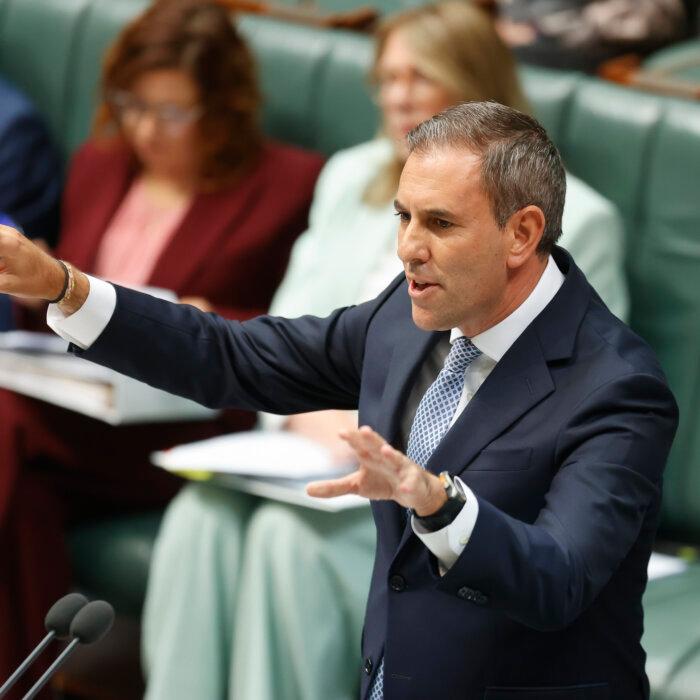
He said there are currently more than 53 ships “heading” to Australia, but stressed shipment timing varies significantly.
Bowen pointed to transit times as a key factor, noting shipments from the United States can take up to a month, while deliveries from Singapore and Malaysia arrive much faster.
“We do expect, on average, 81 ships a month to arrive. That’s the historical average.”
Minister Says 3 Billion Litres of Fuel Inward Bound
Bowen also revealed that about 3.7 billion litres of fuel are currently “on the water” bound for Australia.He acknowledged, however, that global supply routes remain under pressure, particularly through the Strait of Hormuz.
“I can say around 46 ships have left the Middle East through the Straits of Hormuz since this conflagration broke out. That is way down on pre-conflict levels.”
To offset this, Bowen said Saudi Arabia has increased exports from alternative routes, including the Yanbu Port in the Red Sea to bypass the Strait.
Long Term Fuel Supply Vulnerability Now Realised
Long term fears regarding Australia’s fuel supply vulnerability have been realised as shipments through the busy Strait of Hormuz stall.The Australian Institute of International Affairs notes the country imports more than 80 percent of its fuel—up from domestically producing around 90 percent in the early 2000s.
Domestic refining capacity has also shrunk to just two refineries from eight, supplying less than 20 percent of local demand.
Stockpiles are also critically low, with about 30 days of supply, well below the International Energy Agency’s 90-day benchmark.
A separate analysis by Page Research Centre calls for a shift towards rebuilding domestic capacity.
It recommends prioritising and deregulating oil and gas exploration to lift local production, alongside supporting coal-to-liquids pilot projects as a scalable domestic fuel alternative.
Expanding fuel reserves is also an important short term issue, particularly to major users like farmers, freight operators and remote industries.
The analysis also highlights the need to re-invest funds into local refiners, especially for diesel.