Energy Minister Chris Bowen has urged Australians to avoid panic buying fuel, warning that hoarding could worsen supply pressures amid escalating tensions in the Middle East.
Speaking to reporters on March 17, Bowen called for a measured response, saying community cooperation would be critical in managing any potential disruptions.
“Panic buying does not help the situation, panic buying very much causes the situation,” he said.
The minister also criticised reports of people stockpiling fuel in jerry cans, including those purchasing containers in bulk.
“People going to [hardware retailer] Bunnings and buying out all the Bunnings jerry cans–that is unhelpful. That is un-Australian if they’re trying to maximise profits on Facebook marketplace,” he said.
At the same time, Bowen said Australia’s fuel supply chain remained intact, with shipments continuing to arrive and refiners operating at full capacity despite global uncertainty.
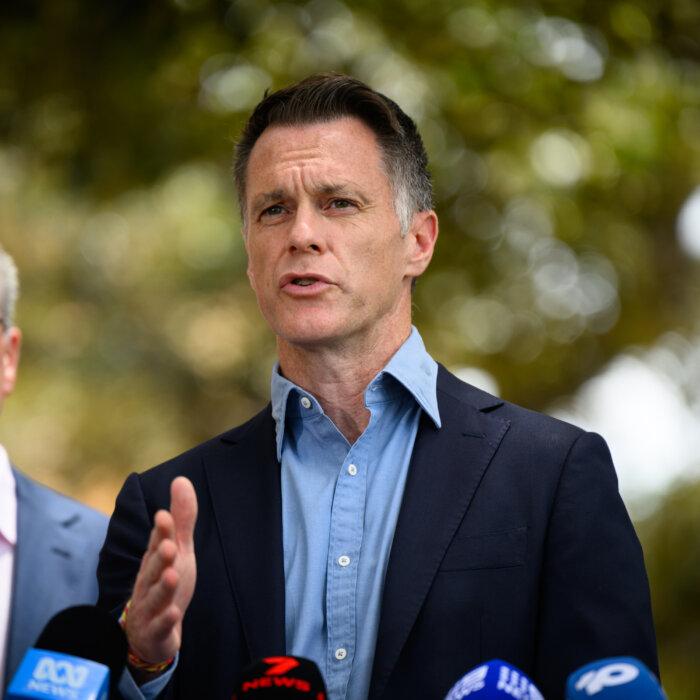
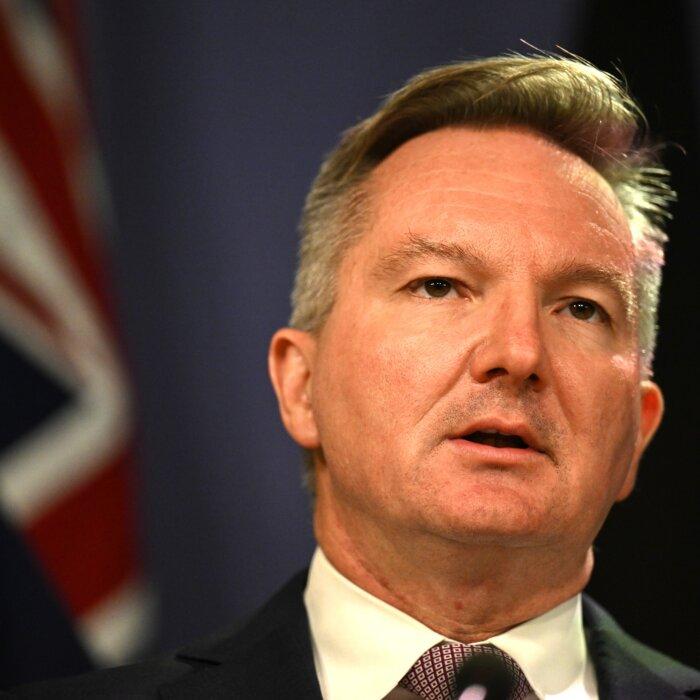
“We are increasing fuel supply. Making that work is harder if it all gets consumed straight away in that panic buying,” he added.
Consumer Watchdog Takes Action
Bowen’s warning comes as the competition watchdog has called an emergency meeting to question major fuel suppliers over sharp price increases.Fuel prices across metropolitan and regional Australia have jumped by nearly 50 cents (35 U.S. cents) a litre since late February, with both governments and industry attributing the spike largely to panic buying linked to the Middle East conflict.
The Australian Competition and Consumer Commission (ACCC) is expected to release an update on its meeting with the industry soon.
“We have lifted the ACCC powers and the penalties and the ACCC will give you an update on that in due course,” Bowen said.
Meanwhile, motoring group NRMA has called for stronger action against what they described as excessive pricing at the bowser.
According to the group’s mobile app—which monitors real-time fuel prices—around half of service stations in Sydney, Melbourne and Brisbane were charging close to $2.20 a litre for regular unleaded fuel on March 4.
The NRMA also noted that the average prices in those cities had far exceeded expected cycle peaks, reaching 209.5 cents per litre in Sydney, 207.7 in Melbourne and 210.2 in Brisbane. In contrast, Adelaide and Perth remained lower at 185.0 and 189.1 cents per litre, respectively.
NRMA spokesman Peter Khoury said those significant price increases could not be justified.
“With prices in Australia’s three largest cities already at the top of the regular cycle, half of the stations in our three biggest cities are effectively inflating that margin to take advantage of the community,” he said.
“Australians are doing it tough with cost of living pressures and now is not the time to be ripping the community off–we urge the ACCC to act.”