Argentine President Javier Milei signed an emergency decree on July 30, which allows his government to expel, or deny entry to, foreigners who incite discrimination or violence against Argentinians.
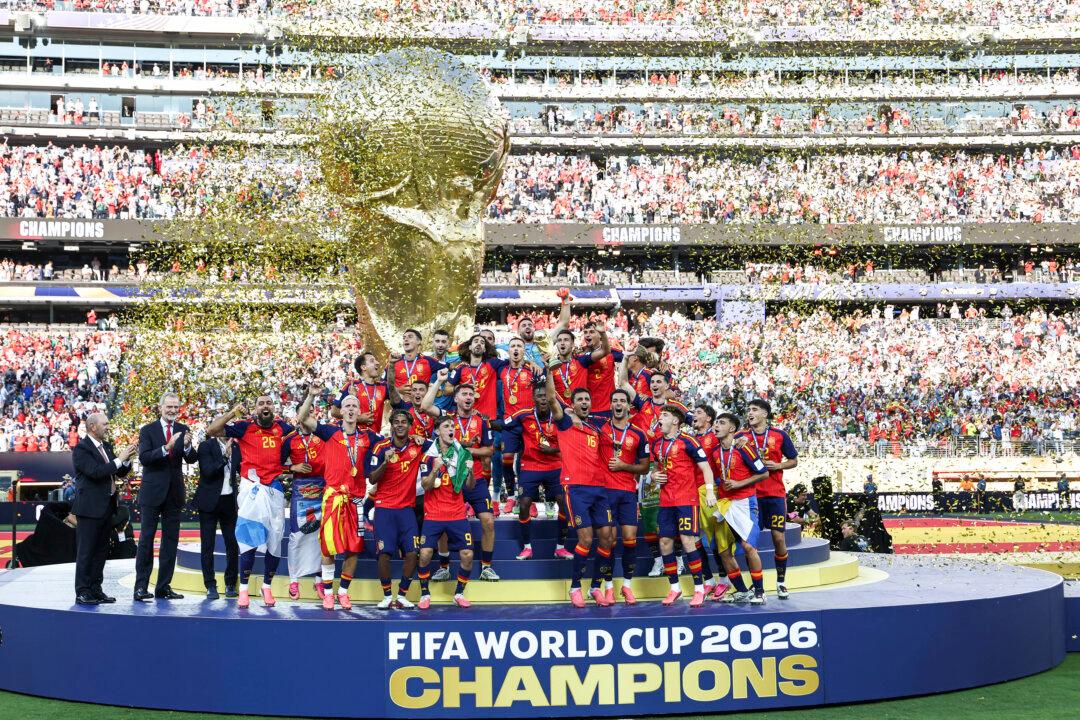
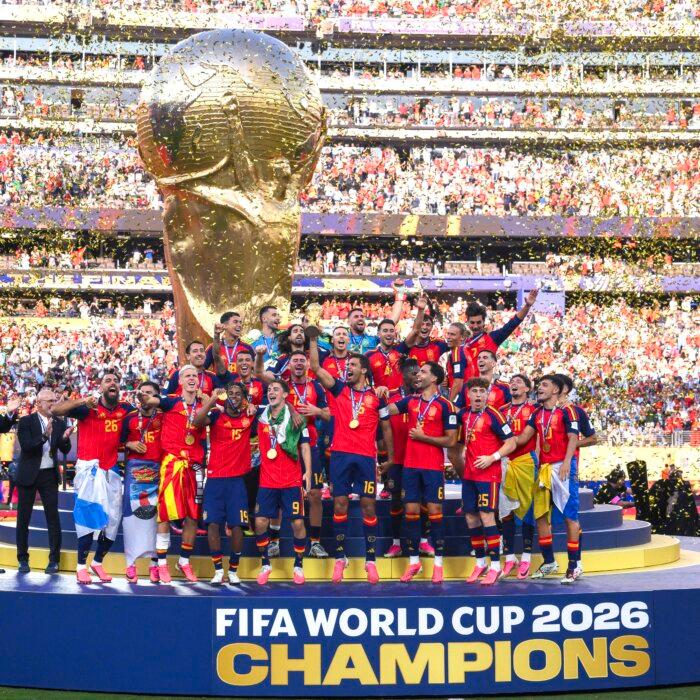
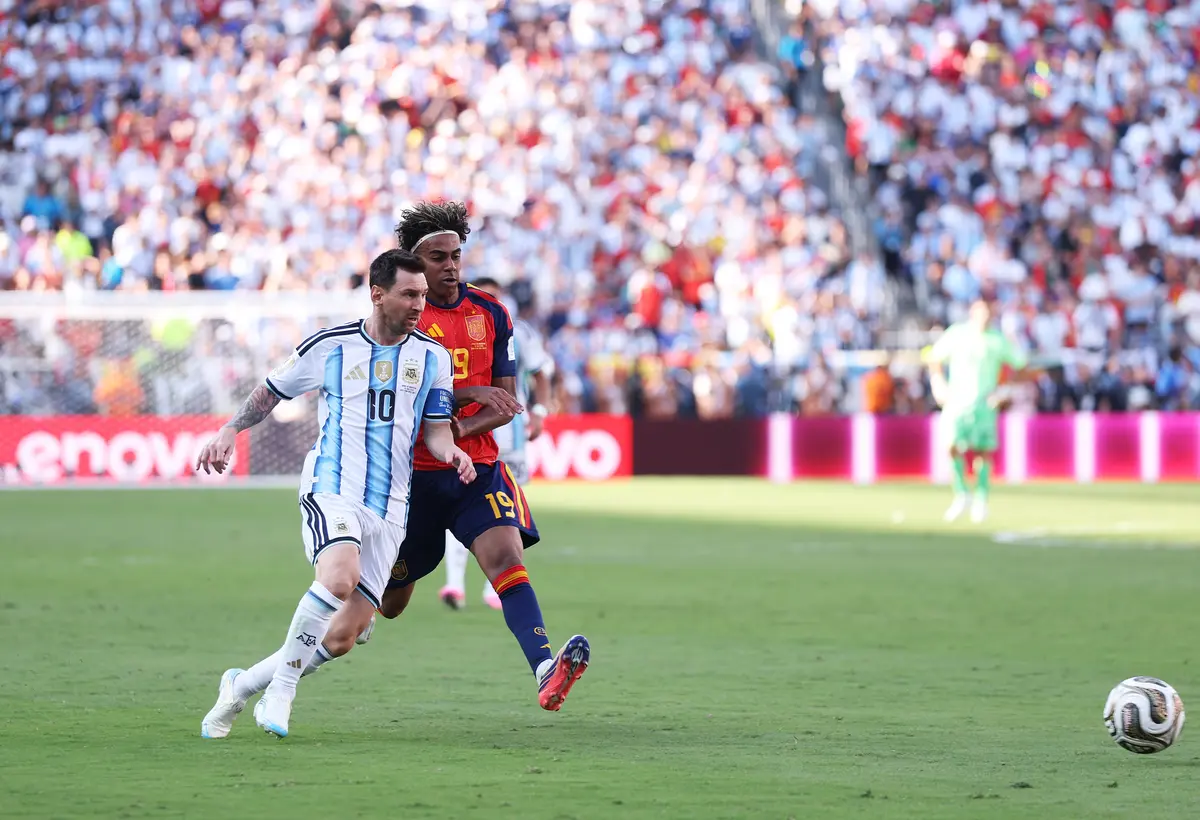
Spanish fans, celebrities, and countless social media users from across the globe berated Argentina’s players for their aggressive style of play and attacks on Spanish players after the final whistle, and accused their supporters of racism.
Online petitions to expel Argentina from the World Cup drew hundreds of thousands of signatures, after Argentina players and staff attacked some of the Spain players, and appeared to turn their backs on them as they collected the trophy.
Milei—who was elected in 2023—said the criticism of the team and the fans often descended into outright hostility toward Argentinians as a people, and accused Brazil, Mexico, and the U.S. Democratic Party of financing an “anti-Argentina campaign” on social media.

‘Displays of Hostility’
“In light of recent displays of hostility toward the Argentine Republic and Argentines, the national government reaffirms that the defense of the nation, its citizens, and its symbols is non-negotiable,” the Argentine president’s office said. “Anyone who attacks the Argentine Republic is not welcome in our country.”
The decree will amend Argentina’s immigration law, allowing the authorities to forbid entry, revoke visas, and deport people who are found to have promoted hatred against Argentines verbally or in written statements, or who have desecrated the country’s national symbols.
Hollywood actor Samuel L. Jackson shared an Instagram story from the SEC Black Alumni Network, which urged black people not to support Messi’s team because “Argentina has historically been one of the most racist countries in the world, if not the most racist.”
Influencer Mia Khalifa and Spanish singer Rosalía were also perceived by many Argentinians as insulting their country, according to Argentina’s La Derecha Diario newspaper, which said some fans sought a refund for the singer’s Buenos Aires concerts.
The decree will not apply to those who disagree ideologically with the Argentine government, as political, academic, or civic criticism is protected under Argentina’s constitution.
But Maximiliano Ferraro, an opposition lawmaker in the Argentinian national congress, said the decree was ambiguous about what kind of comment would lead to a foreign national being refused entry or having their visa revoked.
‘Exclusionary Nationalist Theater’
“While the government wraps itself in Argentina’s sky-blue-and-white national colors for publicity, many of the policies it promotes are little more than exclusionary nationalist theater,” Ferraro said.
Milei introduced tougher immigration measures last year, making it harder for immigrants to gain permanent residency, and boosting the government’s powers to deport foreigners accused of crimes.
Milei’s decree has echoes of some policies introduced or proposed by the United States.
As of July 31, the proposed rule has not been introduced.