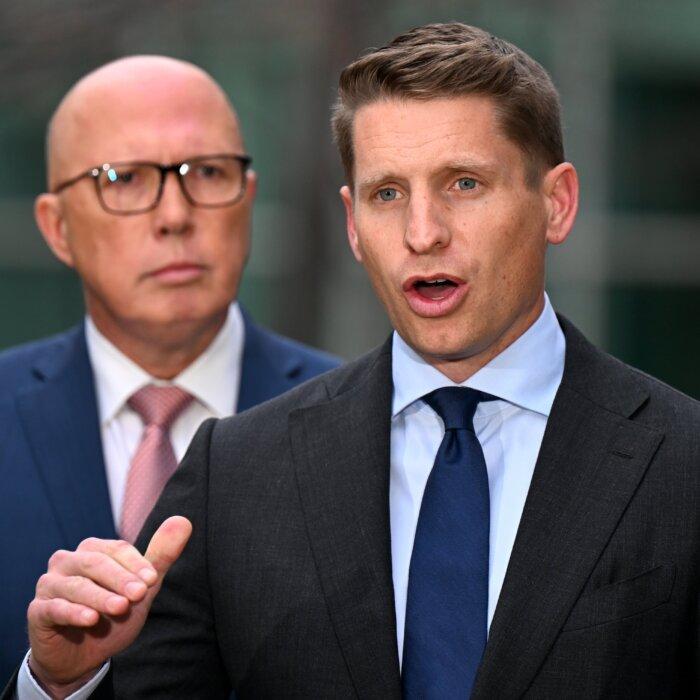
Shadow spokesman for housing and homelessness Senator Andrew Bragg says Australia’s mass migration program is one part of the complex dynamic forming the housing crisis, but it is not the entire problem.
Bragg made the comments on ABC Radio National on Oct. 7, in the aftermath of Liberal colleague Andrew Hastie quitting the front bench as shadow home affairs minister because he believed he lacked sufficient input on immigration policy.
Bragg responded to claims of fragmentation in his party by highlighting its right to freedom of expression, adding that the immigration and housing crisis was not a black and white issue.
“[Hastie] wanted to, in his own words, lead a particular policy area that wasn’t part of his agenda as a shadow and I respect Andrew, and I like him. And I'd say that in terms of the issues he’s addressed in my portfolio—in relation to immigration and housing—he is right to say the Australian migration levels have damaged the housing prospects of Australians, but that is not the only factor—it is much more complex a dynamic than that.
“It’s one factor, it’s not the only factor. And the Liberal Party has had a strong tradition of embracing migrants, particularly during housing crises. In fact when Menzies came in in 1949, he handled a housing crisis and large levels of migration.”
Bragg did not elaborate on what other factors were at play with the housing crisis, or what the Liberals might propose to do differently to distinguish themselves from Labor policies.
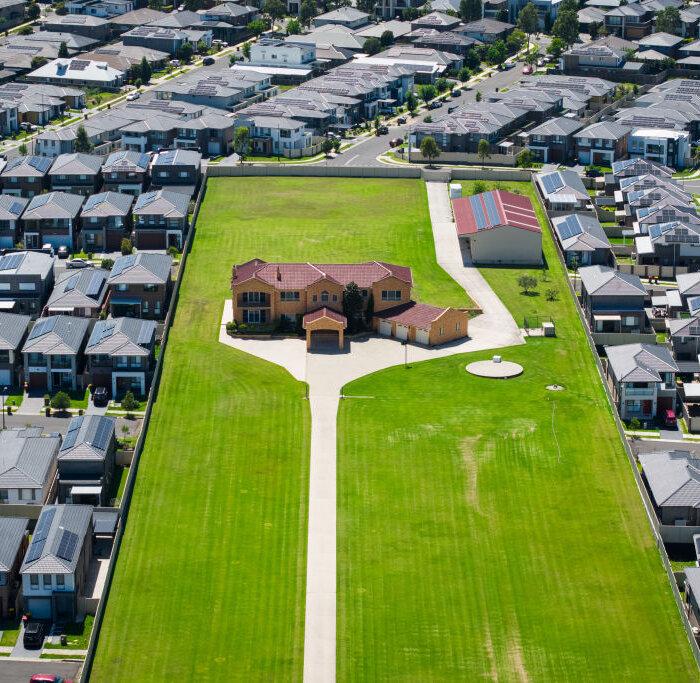
But he noted that the current housing crisis will get “worse and worse” if left as is.
On Winning the Election
An election may be years away, but it’s already a topic of discussion that’s bubbling away among the Liberals.Overall, it appears the party room is seeking unity, concerned that internal rifts would cost another election.
Mary Aldred, first-time Liberal MP for the seat of Monash, warned in a speech to her party in Canberra that internal feuding could come at the cost of seats.
“This is how we become like the Victorians,” she reportedly said.
Quizzed on the party’s formula to go into the next election, Bragg said the Liberals had identified where they had fallen short previously.
“You win if you hold the right and win votes in the centre, that’s how you win under this system of compulsory voting that we have and so we need to be the biggest party we can be with a lead on economic policy, tax, industrial relations, whatever,” he said.
“But you’ve also got to make sure that you are a warm and a compassionate party and that you are understanding the diversity of modern Australia and speaking to it and expressing it and that is how you hold the centre.”
Ultimately, Bragg believes the superior economic policy will take all in the next election, which is still far off on the horizon with an expected 2028 date.
The Senator conceded the party had struggled to impress women and the multicultural community.
“I think George Brandis said in one of the election wash-ups that we were sort of running out of people to offend,” Bragg said.
“I think that has been true to a point so we’re going through this first year, this new parliament in opposition, with a view to reflecting on all of that and I think we are changing direction under Sussan on those issues and we are re-doubling our view that economic policy is what people will ultimately vote on and last election that was underdone.”
Bragg said the Liberals had not worked enough on policy and did not “respect” modern Australia.
Hastie’s Resignation
On Oct. 3, Hastie released an official statement detailing his departure from Liberal Party Leader Sussan Ley’s team, saying he would not be able to continue in the role while remaining silent on the topic of immigration.“The leader has made it clear that the shadow home affairs minister won’t lead the Coalition’s response to immigration matters or develop the Coalition’s immigration strategy,” he said.
Previously, Hastie had condemned Australia’s high migration levels as being a catalyst for the nation’s housing crisis.
“If we don’t act, we can expect anger and frustration,” he said.
“We might even die as a political movement. So be it. What is the point of politics if you’re not willing to fight for something?”