Italy said Friday it was temporarily suspending the European Union’s free-travel pact with Spain, known as the Schengen Agreement, after tens of thousands of people crossed into the Spanish enclave of Ceuta from Morocco unlawfully.
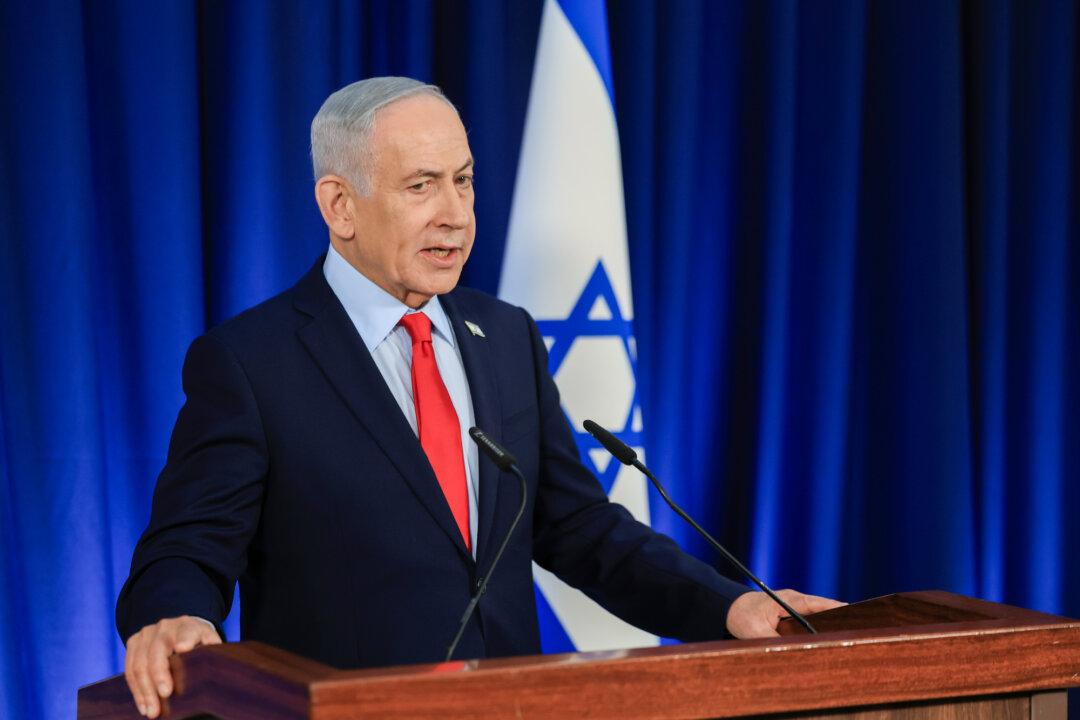
The one-month suspension of border-free travel between Italy and Spain was announced on July 31 by Prime Minister Giorgia Meloni and Deputy Prime Ministers Antonio Tajani and Matteo Salvini, who described the move as necessary for security.
“The temporary suspension of Schengen with Spain is a necessary choice to safeguard the security of our citizens and defend the European borders. A measure provided for by the treaties and made unavoidable today,” Tajani wrote on X.
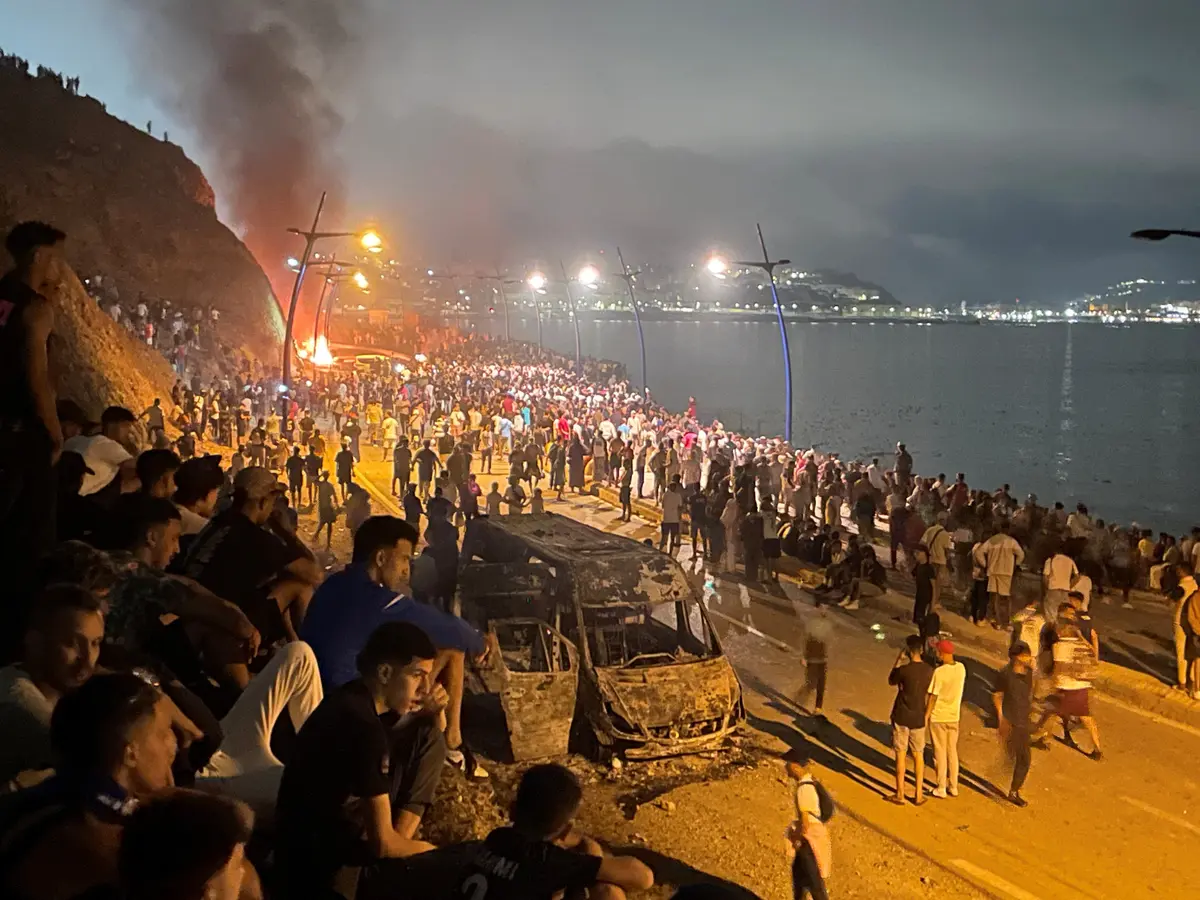
Tajani added that the illegal immigration crisis gripping Ceuta, involving a sudden surge of over 60,000 unlawful entrants from North Africa, endangers all residents of the European Union and must be dealt with decisively.
“The migrant crisis in Ceuta reminds us that the management of the Union’s borders is a shared responsibility among our countries, one toward the other,” Tajani said. “We must work together to prevent uncontrolled migrant flows from entering EU territory, with all the consequent risks and the threat of terrorism, which must be countered without hesitation.”
The Schengen Agreement allows passport-free travel across 29 European countries, although member states may temporarily reinstate border controls for security or public order reasons.


France will also strengthen controls along its land border with Spain, President Emmanuel Macron announced, while offering Spanish authorities support in managing the Ceuta emergency.
Earlier on Friday, Meloni warned that her government was prepared to suspend the Schengen Agreement due to the illegal immigration surge.
Meloni said in a July 30 post on X that the scenes from Ceuta showed that uncontrolled illegal immigration “poses a concrete threat to the security of Europe’s borders.”
She said she had spoken with Interior Minister Matteo Piantedosi and that the government was convening the relevant authorities to “intervene with extraordinary measures,” including the suspension of the Schengen Area with Spain.
“On illegal immigration, we will not yield an inch: defending the borders, stopping human traffickers, and ensuring effective repatriations will continue to be the line of this Government,” Meloni said.
The Schengen Area is a passport-free travel zone covering 29 European countries and more than 450 million people.
It allows travelers to move between participating countries without routine border checks, although member states may temporarily restore internal border controls in exceptional circumstances.
Finnish Interior Minister Mari Rantanen and Italian Foreign Minister Antonio Tajani backed Meloni’s position. Rantanen urged other European countries to support it, saying Spain had failed to “protect the Schengen Area’s external border from infiltration.”
“Countries that do not fulfill their obligation to protect the external border cannot be members of Schengen,” Rantanen said in a July 31 post on X.
Tajani said in a July 30 post on X that irregular and uncontrolled immigration posed a danger to national security.
He also criticized the Spanish government’s decision to grant Spanish, and therefore European Union, citizenship to more than 500,000 illegal immigrants, saying it encouraged human trafficking.
Responding to Tajani’s remarks, Spanish Foreign Minister Jose Manuel Albares said they were “unbecoming of the Foreign Minister of a partner and friendly country from which we expect European solidarity and not partisan demagoguery.”
In a July 30 post on X, Albares said the events in Ceuta were linked to a court ruling and have “nothing to do with what the tweet says.” He added that Spain had summoned the Italian ambassador.

Ceuta is a Spanish autonomous city on the northern coast of Africa. Together with Melilla, it forms the European Union’s only land border with Africa and has frequently experienced surges in illegal immigration.
Spanish Prime Minister Pedro Sanchez said in a July 30 post on X that his government was mobilizing all necessary resources, working with Moroccan and international authorities, and preparing measures to restore normality.
Spain and Morocco reinforced the border around Ceuta on July 31 after about 49,000 people crossed into the Spanish territory. Authorities also recovered at least 19 bodies from the water after the crossings.
Meanwhile, French Interior Minister Laurent Nunez said on July 31 that he had ordered immediate reinforcement of controls at the French–Spanish border and activated the Rapid Intervention Border Force “to carry out in-depth border inspections.”
What Italy Can Do Under Schengen
European Union law does not allow one member state to suspend another from the Schengen Area or remove it from the passport-free zone because of a migration dispute.
Instead, the Schengen Borders Code allows countries to temporarily reintroduce border controls at their own internal borders if they face a serious threat to public policy or internal security.
Such measures must be temporary, proportionate, and justified, and the European Commission and other member states must be notified.
Spain would remain a full Schengen member even if Italy restored border checks.
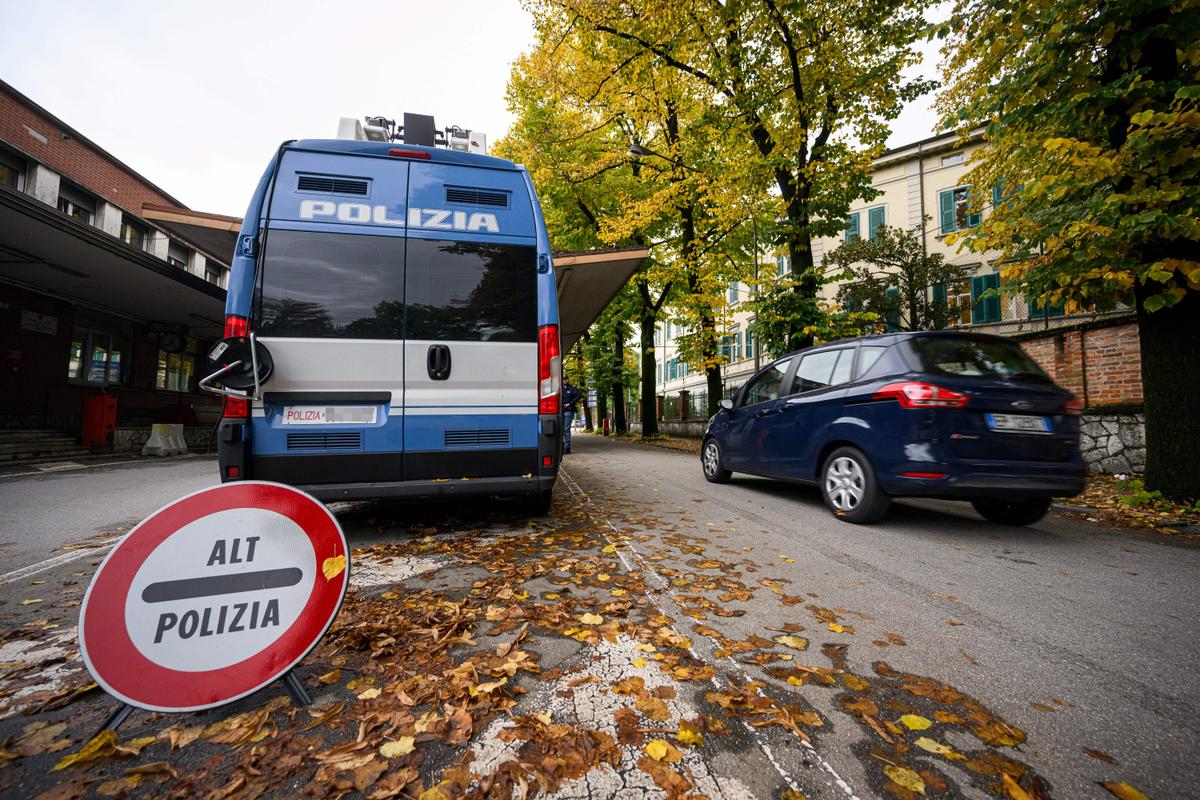
Italy has used those powers before. Most recently, it restored temporary checks at its land border with France from July 24 to July 26.
Authorities anticipated public order risks linked to the Festival dell'Alta Felicità in Venaus, including possible violence targeting the Turin-Lyon high-speed railway project and law enforcement officers.
Italy also reinstated border controls with Slovenia from June 19 through Dec. 18, citing concerns about terrorist infiltration through migration routes, the wars in Ukraine and the Middle East, irregular migration, and criminal smuggling and trafficking networks.